Craft beer, homebrew—All Safe Global has your quality beverage and brewing equipment.
The most complete selection of kegs, cylinders, kegging kits, growlers, brewing equipment, and accessories anywhere.
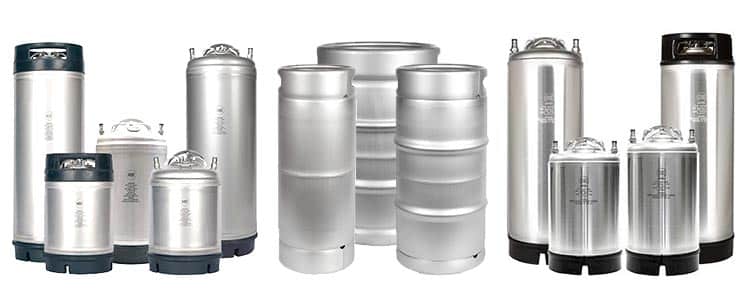
Craft Beer and Homebrew Kegs, Keg Parts and Accessories
All Safe brings two exceptional keg choices to the homebrew and craft beer markets. The company is the exclusive North American distributor for high-quality, high-value AMCYL kegs and world-famous Italian AEB kegs. Kegs are available in a variety of sizes and configurations to suit any application, with a full complement of parts and accessories also available.

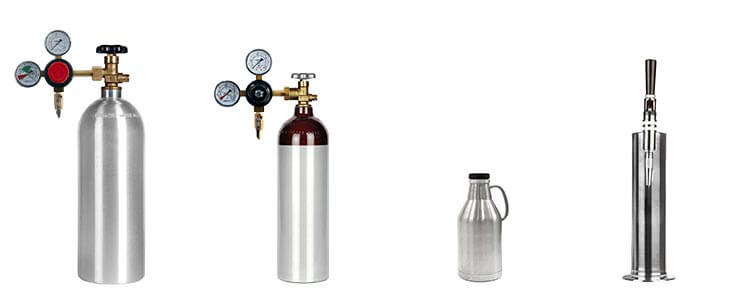
Cylinders, Regulators, Compressed Gas Accessories, and Dispensing Equipment
Beverage delivery is our specialty. We provide virtually every component necessary from keg to glass, including CO2, nitrogen, and beer mix/G mix cylinders, high-quality regulators, manifolds, lines, and portable CO2 charging equipment, and many other beverage essentials.
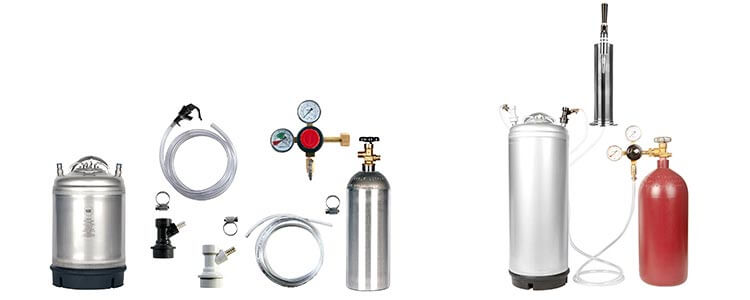
Kegging, Nitro Coffee, Conversion, and Oxygenation Kits
Kits make it easy for your customers to start kegging and pouring. We are proud to offer kits for every market sector—homebrew kegging, cold-brew nitro coffee, kegerator, refrigerator conversion, and homebrew oxygenation. Available in a wide variety of sizes and configurations.
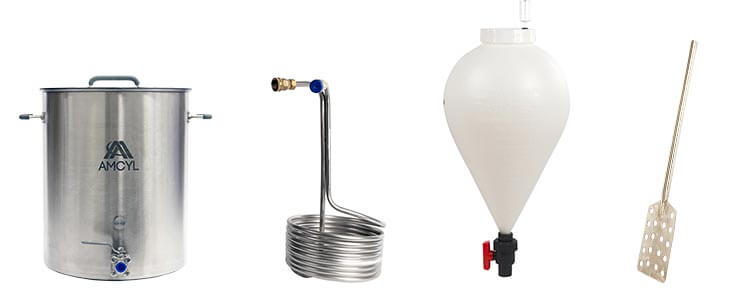
Home Brewing Equipment
From superior-grade stainless steel brew kettles to wort chillers, FastFerment™ fermenters, thermometers, meters, and racking canes, we have the homebrew crowd covered with exceptional gear. Perfect products individually for homebrewers, or to pair with a homebrew keg or kit.
FREQUENTLY ASKED QUESTIONS
What types of beverage kegs are used for commercial draft beer systems?
Commercial draft beer systems typically use Sankey kegs with D-type couplers, the industry standard for breweries, distributors, and bars.
Sankey kegs are designed for high-volume beverage distribution and are widely used across the craft beer, cider, and commercial brewing industries. These kegs typically come in standard barrel sizes such as 1/6 bbl, 1/4 bbl, and 1/2 bbl, making them compatible with most draft systems and keg couplers used in restaurants and taprooms.
Most commercial kegs are built from 304 stainless steel, which provides durability, sanitation, and long service life in professional environments. They integrate with standard couplers, CO₂ systems, and draft towers, allowing breweries and distributors to maintain consistent carbonation and reliable beverage dispensing.
What is the difference between homebrew kegs and commercial beer kegs?
Homebrew kegs are typically ball-lock or pin-lock Cornelius-style kegs, while commercial beer kegs use Sankey-style coupler systems.
Homebrew kegs are designed for small-batch brewing, coffee service, and beverage experimentation. They are commonly available in 2.5, 3, and 5 gallon capacities, making them easy to clean, transport, and integrate into kegerators or countertop draft systems.
Commercial Sankey kegs, by contrast, are built for large-scale distribution and use a spear and coupler system that remains sealed inside the keg. This design supports high-volume brewery operations, distributor logistics, and consistent dispensing in bars, breweries, and restaurants.
Are reconditioned kegs reliable for beverage dispensing systems?
Yes, professionally reconditioned kegs are fully refurbished, pressure-tested, and ready for safe beverage dispensing.
Reconditioning typically includes cleaning, inspection, pressure testing, and replacement of wearable components such as O-rings, posts, and poppets. These steps ensure the keg maintains proper carbonation pressure and sanitary conditions during beverage storage.
For breweries, coffee companies, and homebrewers, reconditioned kegs offer a cost-effective option that extends equipment life while maintaining reliable performance in draft systems.
What size keg should I use for homebrewing or small-batch beverages?
Most homebrewers use 5 gallon Cornelius kegs, while smaller systems may use 2.5 or 3 gallon kegs for limited production runs.
A 5 gallon keg closely matches the typical batch size produced by many homebrew kits, making it the most common choice for hobbyists and small beverage producers. Smaller kegs are useful for test batches, specialty beverages, or portable draft setups.
These kegs are widely used not only for beer but also for nitro cold brew coffee, kombucha, sparkling water, cocktails, and craft soda, making them a versatile option for small beverage operations.
What components are required for a complete keg dispensing system?
A functional keg dispensing system typically includes a keg, coupler or disconnects, gas regulator, beverage lines, and dispensing faucet or tower.
The keg stores the beverage under pressure, while the coupler or disconnect connects the keg to the gas and liquid lines. A CO₂ or nitrogen regulator controls gas pressure to maintain proper carbonation and beverage flow.
Additional components such as beer nuts, barb fittings, O-rings, and cleaning equipment ensure reliable operation and sanitation within the draft system.
What are keg parkas and why are they used?
Keg parkas are insulated protective covers designed to help maintain keg temperature and protect stainless steel kegs during handling.
These covers help slow temperature changes when kegs are moved outside of refrigerated environments, which can help preserve carbonation and beverage quality during transport or service.
Keg parkas also protect the keg exterior from dents and scratches while improving grip during handling, making them useful for breweries, mobile beverage operations, and outdoor events.
What is the difference between ball lock and pin lock keg systems?
Ball lock kegs use quick-disconnect ball lock fittings, while pin lock kegs use two- or three-pin connectors that prevent incorrect connections.
Ball lock systems are the most widely used in modern homebrewing and beverage dispensing because they are compact and compatible with a wide range of equipment. They use spring-loaded disconnects that quickly attach and detach from the gas and liquid posts.
Pin lock systems are slightly shorter and wider and rely on physical pins to ensure the gas and liquid lines cannot be swapped accidentally. Both systems function similarly in maintaining pressure and dispensing beverages.
Can beverage kegs be used for drinks other than beer?
Yes, beverage kegs are commonly used for cold brew coffee, nitro coffee, kombucha, cocktails, sparkling water, and craft soda.
Many beverage producers use stainless steel kegs as a pressurized storage and dispensing solution for a wide variety of drinks. Nitrogen gas is often used for nitro coffee, while CO₂ is typically used for carbonated beverages.
This flexibility allows breweries, cafés, restaurants, and beverage brands to serve multiple drink types using the same draft infrastructure.
How do keg components and replacement parts improve draft system reliability?
Keg components such as O-rings, posts, poppets, disconnects, and couplers help maintain airtight seals and proper gas pressure within a draft system.
Over time, seals and mechanical parts wear due to repeated use, cleaning cycles, and pressure changes. Replacing these small components helps prevent leaks, pressure loss, and contamination.
Regular maintenance using replacement parts ensures consistent carbonation, reliable beverage flow, and long-term equipment performance.
How should beverage kegs be cleaned and maintained?
Beverage kegs should be regularly cleaned, sanitized, and inspected to maintain beverage quality and system reliability.
Cleaning typically involves flushing the keg and beverage lines with a brewery-approved cleaning solution followed by a sanitizing rinse. Internal components such as dip tubes, O-rings, and posts should also be inspected and replaced when worn.
Routine maintenance helps prevent flavor contamination, microbial growth, and pressure leaks while ensuring consistent beverage dispensing across draft systems.