Keg Cleaning Equipment
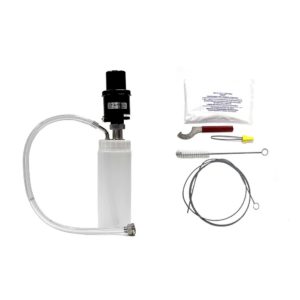
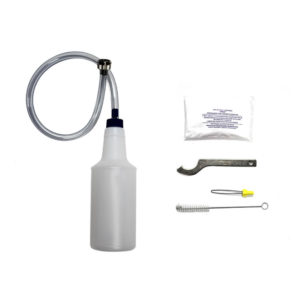
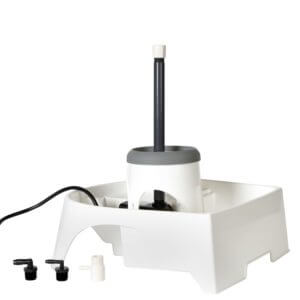
Maintain clean, compliant draft systems with professional-grade keg-cleaning equipment and keg-cleaning parts designed for breweries, beverage distributors, coffee operations, and service technicians. This category includes keg washers, cleaning canisters, CIP (clean-in-place) components, cleaning adapters, and line-cleaning accessories designed to support reliable sanitation across Sankey, ball lock, and pin lock keg systems.
Explore Further (click to learn more):
Proper keg cleaning is critical for product quality, flavor consistency, and food safety compliance. Whether you are maintaining craft beer kegs, nitro cold brew systems, or commercial beverage lines, these components help remove residue, prevent contamination, and extend the life of your equipment. Designed for high-cycle use in professional environments, these solutions support efficient workflows and repeatable cleaning processes.
Add to quote to select, and choose quantity on the quote form to configure the right keg cleaning setup for your operation. From replacement cleaning parts to complete keg cleaning assemblies, each product supports uptime, sanitation standards, and operational reliability.
FREQUENTLY ASKED QUESTIONS
What is keg cleaning equipment used for in beverage systems?
Keg cleaning equipment is used to remove residue, bacteria, and buildup from kegs and draft systems to ensure product quality and safety.
Regular cleaning prevents contamination that can impact taste, carbonation, and shelf life in beer, cold brew coffee, and other beverages. Residual sugars, yeast, and oils can quickly degrade product quality if not properly removed.
Professional keg cleaning systems, including CIP setups and cleaning canisters, are designed for repeatable sanitation in commercial environments. This is especially important for breweries, coffee roasters, and beverage distributors managing high keg turnover.
How often should kegs be cleaned in a commercial operation?
Kegs should be cleaned after every use or between fills to maintain sanitary conditions and product integrity.
In high-volume environments, consistent cleaning cycles are essential to prevent microbial growth and cross-contamination between batches. This is standard practice across breweries, beverage service companies, and cold brew operations.
Using dedicated keg cleaning equipment ensures each cleaning cycle is thorough, repeatable, and compliant with food safety expectations. Scheduled cleaning also helps extend the service life of kegs and internal components.
What types of keg cleaning equipment are available?
Keg cleaning equipment includes cleaning canisters, CIP systems, keg washers, cleaning adapters, and line cleaning accessories.
Each type serves a specific role, from circulating cleaning solution through the keg to connecting different keg formats like Sankey or ball lock systems. Adapters and fittings ensure compatibility across equipment types.
For ICP buyers, selecting the right combination depends on throughput, keg type, and operational workflow. Scalable solutions are available for both small batch operations and large-scale beverage programs.
What is a CIP keg cleaning system?
A CIP (clean-in-place) keg cleaning system circulates cleaning and sanitizing solutions through kegs without disassembly.
This method improves efficiency by reducing manual labor and ensuring consistent cleaning coverage inside the keg. It is widely used in breweries and beverage production facilities where throughput and repeatability matter.
CIP systems often include pumps, cleaning canisters, and fittings that allow operators to standardize cleaning procedures while minimizing downtime between fills.
Are keg cleaning systems compatible with different keg types?
Yes, most keg cleaning systems can be configured to work with Sankey, ball lock, and pin lock kegs using the correct adapters.
Compatibility is achieved through interchangeable fittings and connectors designed for different keg standards. This is critical for operations managing multiple keg formats across product lines.
Selecting the right adapters ensures proper sealing and flow during cleaning, which directly impacts cleaning effectiveness and operational efficiency.
Why is proper keg sanitation important for beverage quality?
Proper keg sanitation prevents contamination that can alter taste, aroma, carbonation, and product stability.
Even minor residue buildup can introduce off-flavors or spoilage organisms that compromise the final product. This is particularly critical for craft beer and nitro beverages where quality consistency is expected.
Using dedicated keg cleaning equipment ensures that sanitation processes meet industry expectations and protect brand reputation in competitive beverage markets.
What features should I look for in keg cleaning equipment?
Key features include compatibility with keg types, durable materials, efficient flow design, and ease of use in repetitive cleaning cycles.
Commercial users prioritize stainless steel construction, chemical resistance, and components that withstand frequent use. Flow efficiency and secure connections are also critical for effective cleaning.
For B2B buyers, equipment that integrates into existing workflows and supports scalable operations delivers the most long-term value.
Can keg cleaning equipment help extend keg lifespan?
Yes, proper cleaning and maintenance reduce corrosion, buildup, and wear, helping extend the lifespan of kegs.
Residue and contamination can degrade internal surfaces and seals over time, leading to leaks or performance issues. Regular cleaning helps preserve material integrity.
For operations managing large keg fleets, extending asset life reduces replacement costs and improves overall equipment ROI.
Is keg cleaning equipment required for food safety compliance?
Yes, regular keg cleaning is a standard requirement for maintaining food safety and sanitation compliance in beverage operations.
Health regulations and industry best practices require equipment that comes into contact with consumable products to be properly cleaned and sanitized. This applies to breweries, coffee systems, and commercial beverage dispensing.
Using purpose-built keg cleaning equipment helps ensure consistent adherence to these standards and supports audit readiness.
How do I choose the right keg cleaning equipment for my operation?
The right keg cleaning equipment depends on your keg types, cleaning volume, workflow, and level of automation required.
Smaller operations may use manual cleaning canisters and adapters, while larger facilities benefit from CIP systems and automated keg washers. The goal is to match equipment capability with operational demand.
Evaluating throughput, compatibility, and maintenance requirements ensures you select a solution that supports efficiency, compliance, and long-term reliability.


