LP/Propane + CNG Valves
LP, Propane, and CNG Valves for Cylinder and Tank Applications.
All Safe Global supplies LP propane valves, CNG valves, and related cylinder valve components designed for safe, compliant operation in propane, compressed natural gas (CNG), and alternative-fuel systems. These valves are used across DOT cylinders, ASME tanks, propane cylinders, and CNG storage systems in industrial, energy, transportation, and fuel distribution environments.
Explore Further (click to learn more):
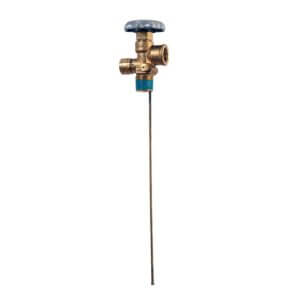
Our selection includes liquid withdrawal valves, service valves, OPD valves, relief valves, and tank valves with industry-standard thread types such as POL, NGT, and NPT connections. Many models include dip tubes, pressure relief devices, and high-pressure sealing components designed to support safe fuel storage, transfer, and delivery.
These valves are commonly specified by propane distributors, cylinder refurbishers, equipment manufacturers, and gas service providers who require reliable components built for regulated environments.
Add to quote to select, and choose the quantity on the quote form. This allows you to request pricing and availability for specific valve models and configurations.
All Safe Global provides industrial-grade LP/propane/CNG valve solutions built for dependable service, regulatory compliance, and long-term equipment reliability.

FREQUENTLY ASKED QUESTIONS
What are LP propane and CNG cylinder valves used for?
LP propane and CNG cylinder valves control the safe storage, isolation, and release of pressurized fuel gases from cylinders and tanks.
These valves regulate the flow of liquefied petroleum gas (LP) or compressed natural gas (CNG) from a storage cylinder to downstream equipment such as regulators, fuel lines, burners, or vehicle fuel systems. They serve as the primary shutoff and service interface between the cylinder and the connected system.
In industrial and commercial fuel systems, the valve must meet specific pressure ratings, connection standards, and safety requirements to ensure controlled gas flow and prevent leaks during storage, transport, and operation.
What types of valves are used on propane cylinders?
Common propane cylinder valves include service valves, OPD valves, liquid withdrawal valves, and pressure relief valves.
Service valves provide the primary gas outlet connection for regulators and downstream equipment. OPD (Overfill Prevention Device) valves are commonly used on consumer propane cylinders to prevent overfilling during refueling.
Larger cylinders or industrial propane tanks may use liquid withdrawal valves with dip tubes, allowing propane to be drawn in liquid form for high-demand equipment or fuel transfer systems.
What is the difference between LP propane valves and CNG valves?
LP propane valves are designed for liquefied petroleum gas systems, while CNG valves are engineered for compressed natural gas systems with different pressure characteristics.
Propane is stored as a liquefied gas under moderate pressure, while CNG is stored as a high-pressure compressed gas, which requires valves designed to withstand higher operating pressures and specific connection standards.
Because of these differences, propane and CNG valves typically vary in pressure ratings, thread standards, and internal sealing design, ensuring safe operation within the intended fuel system.
What is a liquid withdrawal valve on a propane cylinder?
A liquid withdrawal valve allows propane to be removed from a cylinder in liquid form rather than vapor form.
These valves include a dip tube that extends into the liquid propane inside the cylinder, enabling equipment to draw liquid fuel directly from the tank. This is commonly required for high-capacity burners, forklifts, and industrial propane applications.
Liquid withdrawal valves are typically used on 100 lb cylinders or larger propane tanks where vapor withdrawal alone cannot support the required fuel demand.
What does an OPD valve do on a propane cylinder?
An OPD valve prevents propane cylinders from being filled beyond the safe capacity limit.
The valve includes a float mechanism inside the cylinder that automatically stops filling once the propane reaches the approved fill level. This prevents dangerous over-pressurization caused by thermal expansion.
OPD valves are now standard on many portable propane cylinders used for grills, heaters, and small appliances, and they are required by safety regulations in many jurisdictions.
What thread types are commonly used on LP propane valves?
LP propane valves commonly use connection standards such as POL, NGT, and NPT threads.
POL (Prest-O-Lite) connections are widely used on propane cylinders for regulator attachments. NGT (National Gas Taper) threads are commonly used for valve-to-cylinder connections.
NPT (National Pipe Thread) fittings are often used in piping systems connected to propane tanks and fuel delivery equipment.
What industries commonly use LP propane and CNG valves?
LP propane and CNG valves are widely used in fuel distribution, industrial gas handling, transportation, and energy applications.
Propane distributors and cylinder refurbishers rely on these valves when preparing cylinders for retail propane supply and industrial fuel systems. Equipment manufacturers integrate them into systems such as forklifts, heaters, and fuel delivery equipment.
CNG valves are frequently used in vehicle fuel systems, fleet fueling infrastructure, and compressed natural gas storage cylinders.
How do you choose the correct propane cylinder valve?
The correct propane cylinder valve depends on cylinder size, withdrawal type, pressure rating, and connection requirements.
Professionals typically evaluate the cylinder specification (DOT or ASME), intended fuel withdrawal method, thread standard, and pressure relief requirements before selecting a valve.
Choosing the correct valve ensures safe fuel delivery, regulatory compliance, and compatibility with regulators and downstream equipment.
Do propane cylinder valves include pressure relief devices?
Many propane cylinder valves include integrated pressure relief devices to protect the cylinder from over-pressure conditions.
A pressure relief valve (PRV) automatically releases gas if internal pressure rises beyond the safe operating limit. This can occur during excessive heat exposure or overfilling.
Relief valves are an essential safety component in propane storage systems and are required to meet recognized safety standards for compressed gas cylinders and tanks.
Who typically purchases LP propane and CNG valves?
LP propane and CNG valves are typically purchased by propane distributors, cylinder service companies, equipment manufacturers, and industrial gas suppliers.
These buyers require reliable, compliant valve components when building or refurbishing cylinders, assembling fuel systems, or maintaining propane and CNG equipment fleets.
Wholesale suppliers like All Safe Global support these buyers with industrial-grade valve inventory, compatible components, and quoting systems for bulk purchasing and equipment integration.