Homebrewing Pumps
Homebrewing pumps play a critical role in maintaining consistent flow, temperature control, and overall process efficiency in beer, cider, and cold brew coffee systems. Whether you’re recirculating wort during mash, transferring liquid between vessels, or improving oxygenation, magnetic drive pumps and high-temperature brewing pumps are designed for reliable, sanitary operation in demanding environments.
Explore Further (click to learn more):
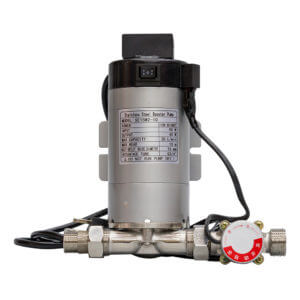
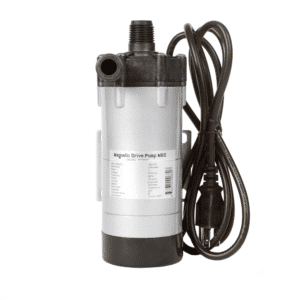
This category includes homebrew wort pumps, magnetic-drive pumps, and aeration pump kits designed for compatibility with standard brewing setups and beverage systems. These pumps support high-temperature liquid transfer, help reduce manual handling, and improve repeatability across batches, key factors for both small-scale brewers and growing beverage operations.
Add to quote to select, and choose quantity on the quote form to configure the right pump solution for your system requirements. Our team supports B2B buyers, breweries, and coffee operations with dependable equipment designed for performance, compliance, and long-term use.
FREQUENTLY ASKED QUESTIONS
What is a homebrewing pump used for in a brewing system?
A homebrewing pump is used to transfer wort or liquid between vessels during the brewing process.
These pumps are commonly used for recirculating mash, moving wort from kettle to fermenter, and supporting heat exchange systems. By automating liquid transfer, they reduce manual handling and improve process consistency.
For brewers and beverage operators, this means more controlled flow rates, improved temperature stability, and safer handling of hot liquids, especially in multi-vessel or semi-automated systems.
What type of pump is best for homebrewing applications?
Magnetic drive pumps are the most commonly used and recommended pumps for homebrewing systems.
Magnetic drive pumps eliminate the need for direct shaft seals, reducing the risk of leaks and contamination while maintaining sanitary conditions. They are also well-suited for handling hot wort and cleaning cycles.
For professional or scaling operations, stainless steel head pumps provide added durability and chemical resistance, supporting long-term use in demanding brewing environments.
Can homebrew pumps handle high-temperature wort?
Yes, most brewing pumps are specifically designed to handle high-temperature wort safely.
High-temperature brewing pumps are built with materials such as stainless steel or heat-resistant polymers, allowing them to operate during boiling or near-boiling conditions without degradation.
This capability is critical for maintaining continuous flow during mash recirculation or transfer, helping brewers avoid cooling delays and maintain process efficiency.
Do I need a pump for a homebrewing setup?
A pump is not required for basic setups but is essential for improving efficiency and scalability.
Entry-level brewers may rely on gravity, but pumps enable multi-vessel systems, closed-loop transfers, and automated brewing processes that are difficult to achieve manually.
For growing operations or repeat production, pumps help standardize workflows, reduce labor, and improve batch consistency across brewing cycles.
What is the difference between a magnetic drive pump and a direct drive pump?
A magnetic drive pump uses a magnetic coupling instead of a direct shaft connection, reducing leak risk and improving sanitation.
Direct drive pumps have mechanical seals that can wear over time, increasing maintenance requirements and potential contamination points. Magnetic drive designs eliminate these seals, making them more suitable for food-grade applications.
In brewing and beverage environments, this translates to lower maintenance, improved reliability, and better compliance with sanitary standards.
How do you choose the right pump size for brewing?
The right pump size depends on flow rate, system layout, and the volume of liquid being transferred.
Brewers should evaluate gallons per minute (GPM), head pressure, and tubing diameter to ensure compatibility with their system. Oversized pumps can create excessive flow, while undersized pumps may slow production.
For B2B buyers and system integrators, matching pump specifications to operational requirements ensures consistent performance and avoids unnecessary equipment strain.
Are brewing pumps food-grade and safe for beverage use?
Yes, brewing pumps are designed with food-grade materials suitable for beverage production.
Most pumps in this category use stainless steel components, FDA-compliant plastics, and sanitary fittings to ensure safe contact with consumable liquids.
This is especially important for breweries, coffee producers, and beverage brands that must meet quality standards and maintain product integrity throughout production.
Can a homebrewing pump be used for cold brew coffee systems?
Yes, brewing pumps are commonly used in cold brew coffee and nitro coffee systems.
These pumps support liquid transfer, circulation, and filtration processes in coffee production, similar to their role in beer brewing. They are also compatible with systems that include nitrogen infusion or keg-based dispensing.
For coffee operations, pumps improve throughput, consistency, and scalability when producing larger batches of cold brew.
How do you clean and maintain a homebrew pump?
Homebrew pumps are cleaned using standard CIP (clean-in-place) or manual cleaning processes with approved solutions.
Regular cleaning involves flushing the pump with hot water, sanitizers, or brewery-approved cleaning chemicals to remove residue and prevent buildup.
Routine maintenance ensures consistent performance, extends equipment life, and supports compliance with sanitation standards in beverage production environments.
What features should you look for in a homebrewing pump?
Key features include temperature resistance, flow rate capacity, material construction, and compatibility with brewing systems.
Buyers should prioritize magnetic drive design, stainless steel pump heads, and appropriate inlet/outlet fittings for their setup. These features directly impact reliability and ease of integration.
For distributors and professional users, selecting pumps with proven durability and standardized connections helps streamline installation and long-term operation.


