All Safe Global is the source for every industrial compressed gas application.
A leading inventory of cylinders, valves, regulators, parts and accessories, backed with decades of experience.
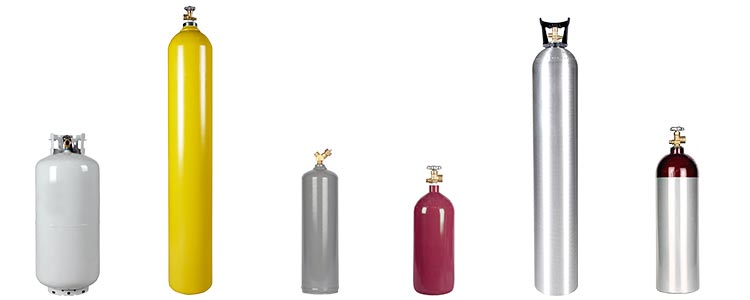
Industrial, Welding, and Carbonic Cylinders
You depend on compressed gas cylinders to make your business move. We make sure your they’re ready to work for you, day after day. All Safe stocks and supplies gas cylinders from top manufacturers for industrial, welding, and carbonic applications. All manufactured to precise standards, certified hydro test fresh, and DOT-compliant.
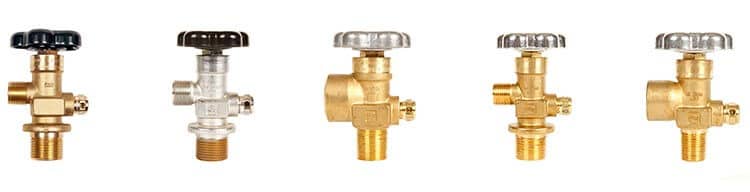
Valves and Regulators
All Safe Global keeps an expansive stock of valves for every gas and every application, delivers the best value through volume pricing, and have the knowledge and experience to provide the right valve for your need, every time.
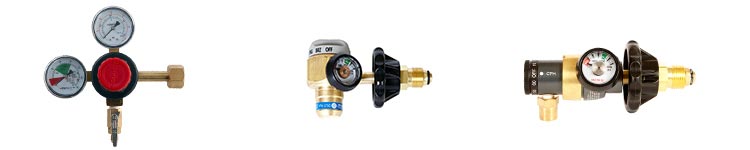
We also carry quality regulators for multiple gas and industrial uses, including CO2, nitrogen, HVAC, and welding.
Parts and Accessories
A true full-service source has the small parts necessary to keep you operating at perfection.
That’s All Safe – we have access to virtually every cylinder and valve component you need , including those categories listed at right and many others not mentioned here. Please contact us directly if you do not find the exact item you need.



FREQUENTLY ASKED QUESTIONS
What equipment is used in industrial welding gas systems?
Industrial welding gas systems typically use compressed gas cylinders, pressure regulators, gas control valves, and safety components designed for specific gases and operating pressures.
A complete welding gas setup begins with a compressed gas cylinder, such as acetylene, oxygen, nitrogen, or argon, which stores gas under high pressure. Each gas type requires a compatible cylinder design, pressure rating, and valve configuration.
A regulator attaches to the cylinder valve to control outlet pressure and maintain consistent gas flow during welding, cutting, or heating operations. Regulators are commonly available for oxygen, nitrogen, CO₂, and specialized welding applications.
Additional components such as O-rings, washers, valve parts, and sealants help maintain leak-free connections and safe operation across industrial environments.
What types of cylinders are used for industrial and welding gases?
Industrial welding applications use high-pressure cylinders designed for specific gases such as acetylene, oxygen, nitrogen, CO₂, propylene, and inert gases like argon and helium.
Each cylinder type is built to match the chemical and pressure characteristics of the gas it contains. For example, acetylene cylinders use a porous filler and solvent system to stabilize the gas, while high-pressure steel or aluminum cylinders store compressed inert gases.
Industries commonly use industrial aluminum cylinders for portability and industrial steel cylinders for durability in demanding environments such as fabrication shops and manufacturing plants.
Selecting the correct cylinder ensures compatibility with valves, regulators, and safety standards for compressed gas handling.
What is the difference between industrial steel cylinders and aluminum cylinders?
Industrial steel cylinders are designed for rugged durability and high-pressure applications, while aluminum cylinders offer lighter weight and improved corrosion resistance.
Steel cylinders are widely used in welding shops and industrial gas distribution because they withstand heavy handling and demanding service conditions. They are commonly used for gases like oxygen, nitrogen, and argon in manufacturing and fabrication.
Aluminum cylinders are easier to transport and are often selected when weight reduction and corrosion resistance are priorities, such as mobile service operations or specialty gas applications.
Both cylinder types must meet pressure ratings and regulatory standards appropriate for the gas being stored.
What types of valves are used on compressed gas cylinders?
Compressed gas cylinders use specialized valves designed for specific gases, pressure ratings, and safety requirements.
Different gases require different valve configurations to prevent cross-connection and ensure safe handling. Examples include acetylene valves, CO₂ valves, hydrogen valves, chlorine valves, and inert gas valves for nitrogen, argon, and helium.
Some applications also use residual pressure valves (RPVs) or safety relief devices that help maintain positive internal pressure and reduce contamination risk.
Selecting the correct valve is critical for compatibility with regulators, safety compliance, and reliable gas delivery.
What does a gas cylinder regulator do?
A gas cylinder regulator reduces high cylinder pressure to a controlled working pressure suitable for equipment or process use.
Compressed gas cylinders store gas at extremely high pressures that are not safe or practical for direct use. A regulator attaches to the cylinder valve and steps the pressure down to a stable outlet pressure.
Regulators are available for different gases and applications, including CO₂ regulators, nitrogen regulators, oxygen regulators, HVAC regulators, and welding regulators.
Most regulators include dual gauges, allowing operators to monitor both cylinder pressure and outlet pressure during operation.
How do welding regulators differ from standard gas regulators?
Welding regulators are designed to deliver precise gas flow and pressure control required for cutting, brazing, and welding processes.
Unlike general-purpose regulators, welding regulators are engineered to handle the specific pressure ranges and flow requirements of welding gases such as oxygen and acetylene.
They typically include high-visibility pressure gauges, durable diaphragms, and heavy-duty construction suitable for fabrication shops and industrial environments.
Proper regulator selection helps maintain stable flame characteristics and consistent welding performance.
What is a nitrogen dewar and how is it used?
A nitrogen dewar is an insulated vessel designed to store and transport liquid nitrogen at extremely low temperatures.
Unlike standard high-pressure cylinders, nitrogen dewars use vacuum insulation to maintain cryogenic temperatures and minimize evaporation.
These vessels are commonly used in laboratories, industrial processes, food processing, and cryogenic applications where liquid nitrogen is required.
Dewars allow controlled dispensing of liquid nitrogen while maintaining safe storage conditions.
What accessories are used with compressed gas cylinders?
Compressed gas cylinder systems often require accessories such as carry handles, valve protection components, O-rings, washers, and thread sealants.
These parts support safe installation, maintenance, and transport of cylinders in industrial environments.
For example, carry handles and protective components make cylinders easier to handle and protect valves during movement or storage.
O-rings, washers, and sealants help maintain tight connections and prevent leaks in threaded fittings and valve assemblies.
How do you maintain safety when using compressed gas cylinders?
Safe compressed gas cylinder use requires proper valve protection, compatible regulators, secure storage, and routine inspection of components.
Cylinders should always be stored upright, secured to prevent tipping, and protected with appropriate valve caps or guards during transport.
Operators should inspect regulators, valves, and connection points for wear or damage before use.
Using the correct accessories and replacement parts helps maintain safe and compliant gas systems in industrial environments.
What industries use industrial gas cylinders and regulators?
Industrial gas cylinders and regulators are used across manufacturing, welding and fabrication, laboratories, beverage production, healthcare, and safety applications.
Fabrication shops rely on oxygen, acetylene, and inert gas cylinders for welding and cutting operations. Manufacturing plants use compressed gases for shielding, processing, and material treatment.
Other sectors use cylinders for specialized purposes such as medical oxygen delivery, cryogenic storage, beverage dispensing systems, and laboratory research.
These systems require reliable cylinders, valves, and regulators designed for professional service environments.


