Nitrous Oxide Valves
Nitrous Oxide Cylinder Valves for Compressed Gas Systems.
Nitrous oxide valves are specialized compressed gas cylinder valves designed for N₂O service, commonly used in medical gas systems, food processing, specialty gas distribution, and industrial applications. These valves are engineered to provide reliable gas control, pressure containment, and secure cylinder connections for nitrous oxide cylinders operating in regulated-pressure environments.
Explore Further (click to learn more):
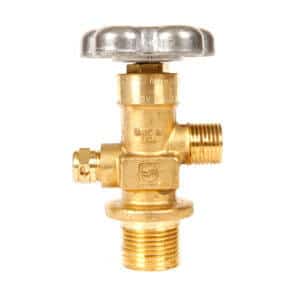
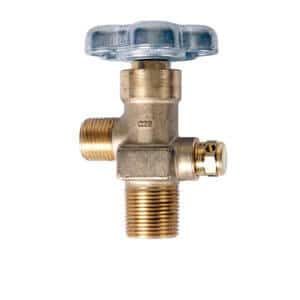
This category includes nitrous oxide cylinder valves designed to be compatible with standard CGA connections and high-pressure gas cylinders, supporting safe handling, transport, and dispensing of N₂O gas. Typical buyers include industrial gas distributors, cylinder requalification facilities, medical gas suppliers, and specialty gas equipment providers who require durable, compliant components for compressed gas infrastructure.
All valves are designed for professional service environments where safety, reliability, and regulatory compliance matter, including applications requiring dependable shutoff control and long service life under demanding operating conditions.
Add to quote to select, and choose the quantity on the quote form. This allows distributors and equipment buyers to efficiently request pricing for the nitrous oxide valves required for their cylinder inventory or gas distribution systems.
FREQUENTLY ASKED QUESTIONS
What is a nitrous oxide cylinder valve used for?
A nitrous oxide cylinder valve controls the safe storage, dispensing, and shutoff of nitrous oxide gas from a compressed gas cylinder.
Nitrous oxide valves regulate the flow of N₂O gas from the cylinder to downstream equipment such as regulators, medical gas systems, or industrial gas distribution lines. The valve provides the primary on/off control point and maintains a sealed pressure boundary when the cylinder is not in use.
Industrial gas distributors, medical suppliers, and specialty gas operators rely on these valves to ensure controlled gas release and safe handling of high-pressure cylinders. Proper valve selection helps maintain system safety, prevent leaks, and ensure compatibility with the correct regulator connection.
What industries commonly use nitrous oxide cylinder valves?
Nitrous oxide cylinder valves are commonly used in medical, food processing, specialty gas distribution, and industrial compressed gas applications.
Medical facilities use nitrous oxide as an anesthetic gas, while food and beverage operations use N₂O for applications such as whipped cream dispensing and specialty food production. Specialty gas distributors also supply nitrous oxide cylinders to laboratories and research environments.
Because nitrous oxide is stored under pressure, the valve must be designed for safe cylinder containment and controlled gas delivery, making it an essential component across industries that handle compressed gases.
Are nitrous oxide valves different from other compressed gas cylinder valves?
Yes, nitrous oxide valves are designed specifically for N₂O service and must match the correct CGA outlet and cylinder specifications.
Different gases use unique CGA connection standards and valve configurations to prevent cross-connection between incompatible gases. Nitrous oxide cylinders typically require valves designed with the appropriate outlet threads and sealing components.
Using the correct valve ensures that regulators, hoses, and distribution systems connect safely and operate within the intended pressure and compatibility standards.
What connection standard is typically used for nitrous oxide cylinder valves?
Nitrous oxide cylinder valves typically use CGA outlet connections designed specifically for N₂O service.
The Compressed Gas Association (CGA) defines connection standards that prevent incompatible gases from being connected to the wrong regulators or systems. Nitrous oxide cylinders use a designated CGA outlet to ensure proper equipment compatibility.
This standardization helps distributors and gas service providers maintain safe filling, storage, and dispensing practices across their cylinder fleets.
How do distributors choose the correct nitrous oxide valve for a cylinder?
Distributors choose nitrous oxide valves based on cylinder specifications, CGA outlet requirements, pressure ratings, and intended gas service.
The valve must match the cylinder neck thread and be rated for the operating pressure of the compressed gas cylinder. Additional considerations may include dip tube configuration, outlet orientation, and compatibility with downstream regulators.
Selecting the correct valve ensures that the cylinder system operates safely and meets applicable industry standards.
Are nitrous oxide cylinder valves used in medical gas systems?
Yes, nitrous oxide valves are commonly used on cylinders that supply medical nitrous oxide for anesthesia and healthcare applications.
In healthcare environments, N₂O cylinders are used to supply anesthesia gas systems and portable medical gas setups. The valve allows controlled gas release while maintaining pressure containment when the cylinder is stored or transported.
Medical gas distributors and healthcare suppliers must ensure that valves meet relevant gas service requirements and compatibility with medical gas equipment.
What safety features are important in nitrous oxide cylinder valves?
Important safety features in nitrous oxide valves include reliable shutoff mechanisms, pressure-rated construction, and proper CGA outlet compatibility.
The valve body and internal components must withstand the operating pressure of the compressed gas cylinder while maintaining a leak-tight seal. Reliable shutoff capability is essential for safe storage and transport.
Proper valve design also ensures compatibility with regulators and helps prevent incorrect gas connections in professional gas handling environments.
Can nitrous oxide valves be replaced during cylinder maintenance or requalification?
Yes, nitrous oxide valves are often replaced or serviced during cylinder requalification or refurbishment.
Cylinder requalification facilities inspect valves during routine hydrostatic testing and maintenance cycles. If a valve shows wear, corrosion, or damage, replacement helps maintain safe cylinder operation.
Many industrial gas distributors maintain valve inventories to support cylinder refurbishment, fleet maintenance, and regulatory compliance.
Do nitrous oxide valves require compatibility with specific regulators?
Yes, nitrous oxide valves must match the regulator connection designed for N₂O cylinders.
Compressed gas regulators are designed to connect to specific CGA outlet standards. A nitrous oxide valve ensures that only compatible regulators can be attached to the cylinder.
This prevents cross-connection with other gas systems and supports safe pressure regulation during gas use.
Who typically purchases nitrous oxide cylinder valves?
Nitrous oxide cylinder valves are typically purchased by industrial gas distributors, cylinder service companies, medical gas suppliers, and specialty gas equipment providers.
These buyers manage fleets of compressed gas cylinders and require reliable valve components for cylinder assembly, maintenance, and refurbishment.
Wholesale distributors often source valves in bulk to support cylinder servicing operations, gas distribution infrastructure, and replacement part inventories.


