Industrial Aluminum Cylinders
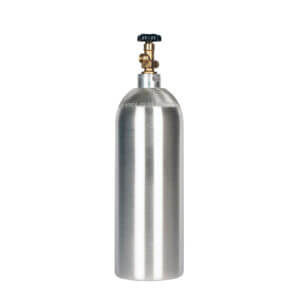
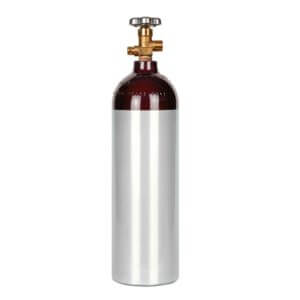
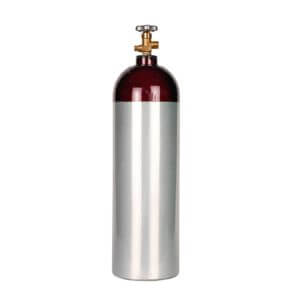
High-pressure aluminum cylinders are designed for applications where strength, corrosion resistance, and reduced weight are critical. These cylinders are commonly used across industrial gas distribution, laboratory environments, specialty gas storage, beverage systems, and medical applications where dependable compressed gas storage is required.
Explore Further (click to learn more):
Compared with steel cylinders, aluminum high-pressure cylinders offer a lighter alternative while still maintaining the structural integrity needed for demanding service environments. Their corrosion-resistant construction makes them suitable for indoor facilities, humid environments, and long-term gas storage applications. Typical uses include nitrogen, argon, helium, specialty gases, and other compressed gases used in industrial, laboratory, and beverage systems.
These cylinders are designed to support reliable gas handling, safe transport, and compatibility with industry-standard cylinder valves and regulators used throughout compressed gas systems.
Product specifications and information are available on the High-Pressure Aluminum Cylinder Spec Sheet, which provides detailed technical data, including capacities, dimensions, pressure ratings, and valve compatibility, to help ensure the correct cylinder selection for your application.

FREQUENTLY ASKED QUESTIONS
What are high pressure aluminum cylinders used for?
High pressure aluminum cylinders are used to store and transport compressed gases such as nitrogen, argon, helium, and specialty gases in industrial, laboratory, beverage, and medical applications.
Aluminum cylinders are widely used in environments where weight reduction and corrosion resistance are important operational factors. Their lighter construction compared to steel makes them easier to handle during transport, installation, and routine cylinder changeouts.
These cylinders commonly support applications such as welding and fabrication, laboratory gas supply, beverage carbonation systems, and specialty gas distribution. Because aluminum resists rust and environmental degradation, it is frequently selected for facilities where cylinders may be exposed to moisture or cleaning processes.
What is the advantage of aluminum gas cylinders compared to steel cylinders?
The main advantage of aluminum gas cylinders is their lighter weight and superior resistance to corrosion compared to steel cylinders.
Aluminum cylinders typically weigh significantly less than comparable steel cylinders, which helps reduce handling strain and improves safety during cylinder transport and installation. This is particularly valuable in facilities where cylinders are moved frequently or used in portable applications.
In addition to weight savings, aluminum naturally resists corrosion and does not rust. This allows aluminum cylinders to maintain structural integrity and appearance in environments with humidity, chemical exposure, or routine wash-down procedures.
What gases can be stored in high pressure aluminum cylinders?
High pressure aluminum cylinders can store a wide range of compressed gases including nitrogen, argon, helium, oxygen, and other specialty or industrial gases.
The compatibility of a cylinder with a specific gas depends on valve configuration, pressure rating, and industry standards such as CGA valve connections. Aluminum cylinders are frequently used for inert gases and specialty gases due to their clean internal surfaces and corrosion resistance.
Before selecting a cylinder for a particular gas, operators should verify the pressure rating, valve type, and regulatory requirements for the intended gas service to ensure proper compliance and safe operation.
How much pressure can aluminum gas cylinders hold?
High pressure aluminum cylinders are typically designed to handle service pressures ranging from approximately 2,000 PSI to over 3,000 PSI depending on the cylinder specification.
The exact pressure rating depends on the cylinder model, manufacturing standard, and intended gas application. Cylinder specifications such as working pressure, test pressure, and DOT certification markings are stamped on the cylinder shoulder and documented in technical specification sheets.
Users should always confirm the cylinder’s rated working pressure before filling or connecting it to a gas system to ensure safe and compliant operation.
Are aluminum cylinders approved for industrial gas applications?
Yes, aluminum cylinders are commonly used and approved for industrial compressed gas applications when manufactured and maintained according to DOT regulations.
These cylinders are produced under U.S. Department of Transportation (DOT) specifications that govern pressure vessels used for compressed gas storage and transportation. Compliance with these standards ensures the cylinder meets strict requirements for materials, manufacturing, testing, and safety.
Industrial users such as gas distributors, fabrication facilities, laboratories, and beverage equipment providers rely on aluminum cylinders because they provide reliable gas containment while meeting regulatory requirements.
How do you identify the specifications of a high pressure aluminum cylinder?
The specifications of a high pressure aluminum cylinder can be identified by the stamped markings on the cylinder shoulder and by reviewing the manufacturer’s cylinder specification sheet.
Stamped markings typically include information such as DOT specification number, working pressure, serial number, manufacturer identification, and test dates. These markings provide traceability and regulatory verification for the cylinder.
For detailed dimensional and capacity information, the High Pressure Aluminum Cylinder Spec Sheet provides complete technical data including cylinder sizes, pressure ratings, and valve compatibility to assist with proper system design.
Are aluminum cylinders suitable for beverage gas systems?
Yes, aluminum cylinders are commonly used in beverage gas systems such as draft beer, soda dispensing, and nitro coffee systems.
In beverage applications, aluminum cylinders are often selected because their lighter weight simplifies handling and installation in restaurants, breweries, coffee shops, and mobile beverage setups.
They are frequently used with CO₂ or nitrogen regulators that control gas flow and pressure for carbonation or nitrogen infusion systems used in modern beverage dispensing equipment.
How often do high pressure aluminum cylinders need to be tested?
High pressure aluminum cylinders must typically undergo periodic hydrostatic testing every five years to comply with DOT regulations.
Hydrostatic testing verifies that the cylinder can safely contain its rated pressure without deformation or structural failure. During this process, the cylinder is filled with water and pressurized to evaluate expansion and integrity.
Many gas distributors and cylinder service facilities perform these tests to ensure cylinders remain compliant with federal safety standards throughout their service life.
Why are aluminum cylinders considered corrosion resistant?
Aluminum cylinders are corrosion resistant because aluminum naturally forms a protective oxide layer that prevents rust and surface degradation.
Unlike steel, aluminum does not oxidize into rust when exposed to moisture or oxygen. Instead, the material forms a thin oxide barrier that protects the underlying metal from further corrosion.
This characteristic makes aluminum cylinders well suited for environments such as beverage facilities, laboratories, and humid industrial settings where corrosion could shorten the lifespan of steel cylinders.
How do you choose the right high pressure aluminum cylinder size?
Choosing the right high pressure aluminum cylinder size depends on the required gas volume, pressure requirements, and available space in the gas system.
Cylinder sizes are commonly defined by gas capacity, physical dimensions, and pressure ratings, which determine how long a cylinder will supply gas before needing replacement or refilling.
Reviewing the High Pressure Aluminum Cylinder Spec Sheet allows buyers to compare capacities, dimensions, and pressure specifications to select the cylinder that best fits their operational requirements and equipment setup.


