Acetylene Cylinders
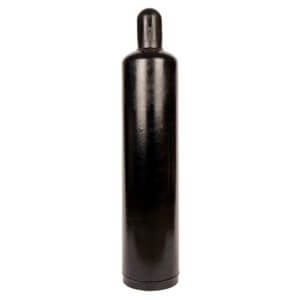
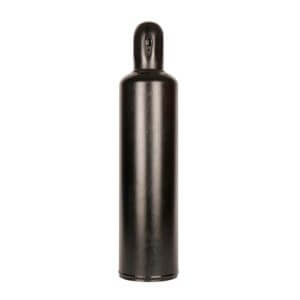
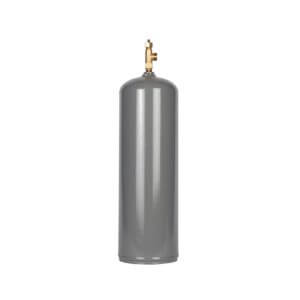
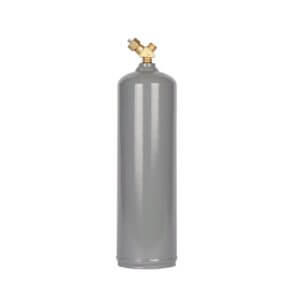
Cutting, brazing, welding, or burning – All Safe has the quality acetylene cylinder to get the job done. We stock steel acetylene cylinders for every use, small and large. With 10, 40, 75, and 145 cubic foot capacities, there’s a wholesale acetylene tank here that’s right for your needs, with the quality construction, features, and performance to keep going day after day without fail. All Safe Global is proud to offer pallet quantities, large volume purchases, and quantity discounts for acetylene cylinders. We welcome inquiries from wholesale purchasers; unfortunately, we cannot sell single or retail cylinders to individual purchasers.
Explore Further (click to learn more):
Acetylene cylinders are specialized high-pressure gas cylinders designed for the safe storage and transportation of acetylene gas used in welding, cutting, and industrial fabrication applications. These cylinders are widely used across metal fabrication shops, construction projects, automotive repair facilities, shipyards, and industrial manufacturing environments where oxy-acetylene processes are required.
Unlike many compressed gases, acetylene must be stored in cylinders containing a porous filler material and an acetone solvent, which safely stabilizes the gas and prevents dangerous decomposition under pressure. This design allows acetylene cylinders to provide a stable, controlled fuel source for oxy-fuel welding, brazing, and thermal cutting operations.
Industrial professionals rely on acetylene cylinders because they provide high flame temperature, excellent metal cutting performance, and reliable portability for field operations. These cylinders are manufactured to meet strict DOT and industry safety standards, ensuring safe handling, transport, and long-term durability in demanding environments.
Businesses that commonly purchase acetylene cylinders include:
- welding and fabrication companies
- metalworking facilities
- industrial gas distributors
- construction contractors
- equipment rental providers
- maintenance and repair operations (MRO)
Whether used for precision welding, heavy-duty cutting, or mobile repair work, acetylene cylinders remain one of the most widely used gas cylinder solutions in industrial gas supply chains.

FREQUENTLY ASKED QUESTIONS
What is an acetylene cylinder used for?
An acetylene cylinder is used to safely store and supply acetylene gas for welding, cutting, brazing, and other oxy-fuel industrial applications.
Acetylene gas produces one of the hottest combustion flames available in common fuel gases, which makes it highly effective for metal cutting and precision welding operations. When combined with oxygen in an oxy-acetylene torch system, the flame can reach temperatures exceeding 6,000°F.
These cylinders are commonly used in fabrication shops, repair facilities, construction sites, and metalworking environments where portable, high-temperature fuel gas is required. Because acetylene is chemically unstable at high pressure, cylinders are specifically engineered with porous filler material and acetone solvent to stabilize the gas safely during storage and transport.
How are acetylene cylinders different from other gas cylinders?
Acetylene cylinders differ from other gas cylinders because they contain a porous internal filler and acetone solvent to stabilize acetylene gas.
Most compressed gases such as oxygen, nitrogen, or argon are stored in cylinders as compressed gas alone. Acetylene cannot be stored safely this way because it becomes unstable at higher pressures and may decompose explosively.
To prevent this risk, acetylene cylinders contain a porous mass saturated with acetone, which dissolves the acetylene gas and stabilizes it. This specialized construction allows the cylinder to store acetylene safely while maintaining consistent gas delivery for welding and cutting equipment.
Why must acetylene cylinders be stored upright?
Acetylene cylinders must be stored upright to prevent acetone solvent from leaving the cylinder and entering the regulator or torch system.
Inside every acetylene cylinder is a liquid acetone solution that stabilizes the gas. If the cylinder is laid on its side, acetone can migrate toward the valve outlet and potentially contaminate regulators, hoses, or torches.
Industry best practices require acetylene cylinders to remain upright during storage, transport, and operation. If a cylinder has been transported horizontally, it should be allowed to stand upright for several hours before use to allow the acetone to settle back into the cylinder.
What industries commonly use acetylene cylinders?
Acetylene cylinders are widely used in welding, metal fabrication, construction, automotive repair, shipbuilding, and industrial maintenance operations.
These industries rely on oxy-acetylene equipment because it provides high flame temperatures and precise heat control, which are essential for cutting steel, brazing metal components, and performing repair work.
Acetylene cylinders are also frequently used by maintenance teams, mechanical contractors, and industrial gas distributors that support welding and cutting operations across multiple job sites.
What safety features are built into acetylene cylinders?
Acetylene cylinders include a porous filler core, acetone solvent stabilization, and pressure-rated steel construction to ensure safe gas storage.
The internal porous mass distributes acetylene gas evenly and prevents dangerous gas pockets from forming inside the cylinder. The acetone solvent dissolves the acetylene and stabilizes it under pressure.
Additionally, these cylinders are manufactured under strict DOT regulations and industry safety standards, ensuring they can safely withstand handling, transportation, and industrial operating conditions.
How long does an acetylene cylinder typically last?
The operating duration of an acetylene cylinder depends on the cylinder size and the gas consumption rate of the welding or cutting equipment.
Larger cylinders provide greater gas capacity and are typically used in industrial fabrication environments where extended cutting or welding sessions occur. Smaller cylinders are often used for portable welding systems or mobile repair work.
Gas consumption varies based on torch size, flame intensity, and application type, so users should match cylinder capacity with their expected workload to maintain efficient operations.
Can acetylene cylinders be transported safely?
Yes, acetylene cylinders can be transported safely when proper handling procedures and transportation regulations are followed.
These cylinders are designed for industrial distribution and field operations, but they must be secured upright during transport and protected from excessive heat or physical damage.
Transport guidelines typically require cylinders to be properly capped, secured to prevent movement, and compliant with DOT hazardous material transport regulations.
What sizes do acetylene cylinders come in?
Acetylene cylinders are available in multiple sizes designed for different industrial, commercial, and portable welding applications.
Smaller cylinders are often used for portable torch kits, field repairs, and light-duty fabrication tasks. Larger cylinders are used in industrial shops and manufacturing environments where higher gas consumption occurs.
Choosing the correct cylinder size depends on expected usage, job site mobility requirements, and torch gas consumption rates.
How are acetylene cylinders refilled or exchanged?
Acetylene cylinders are typically refilled or exchanged through authorized industrial gas suppliers and distributors.
Because acetylene cylinders contain specialized internal filler and acetone solvent, refilling requires controlled industrial processes performed by licensed gas suppliers.
Many businesses participate in cylinder exchange programs, where empty cylinders are returned and replaced with certified, refilled cylinders that meet current safety standards.
Are acetylene cylinders regulated by safety standards?
Yes, acetylene cylinders are regulated by strict transportation, manufacturing, and safety standards to ensure safe industrial use.
In the United States, acetylene cylinders must comply with Department of Transportation (DOT) regulations and industry safety requirements that govern pressure vessels and hazardous gas transport.
These standards define cylinder design, pressure ratings, testing intervals, labeling requirements, and handling procedures to ensure safe operation across welding, fabrication, and industrial environments.


