Medical Oxygen Carts + Accessories
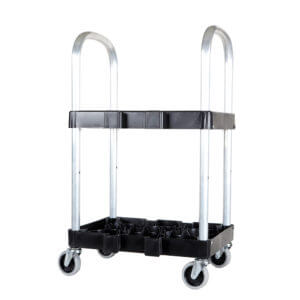
Medical oxygen carts and accessories are essential for safely transporting, storing, and deploying oxygen cylinders across healthcare, EMS, and clinical environments. This category includes oxygen cylinder carts, tank holders, mounting brackets, and mobility solutions designed to support daily use in hospitals, ambulances, long-term care facilities, and home healthcare settings.
Explore Further (click to learn more):
Built for stability, compliance, and ease of movement, these medical oxygen cart systems help reduce handling risk while improving operational efficiency for clinicians and technicians. Options are available for multiple cylinder sizes, lightweight portability, and secure positioning during transport or storage.
Add to quote to select, and choose quantity on the quote form. This allows your team to configure the right oxygen cylinder cart or accessory based on your exact application, whether you are outfitting a fleet, replacing aging equipment, or standardizing across locations.
All products are designed for professional medical gas environments, where reliability, durability, and safe cylinder handling are critical to daily operations.

FREQUENTLY ASKED QUESTIONS
What are medical oxygen carts used for?
Medical oxygen carts are used to safely transport and store oxygen cylinders in healthcare and emergency environments.
They provide a stable, mobile platform that reduces the risk of cylinder tipping, damage, or improper handling. In hospitals and EMS settings, carts are critical for quickly moving oxygen tanks between patient rooms, treatment areas, or transport vehicles.
Most carts are designed with secure cylinder brackets, wheels for mobility, and ergonomic handles, ensuring safe operation during frequent use. For procurement teams, they support compliance and reduce workplace injury risk associated with manual cylinder handling.
What types of oxygen cylinders fit on medical oxygen carts?
Medical oxygen carts are designed to fit specific cylinder sizes such as E, D, or larger medical oxygen tanks.
Each cart is engineered with size-specific mounting systems or adjustable brackets to securely hold the intended cylinder type. Selecting the correct cart ensures proper weight distribution and safe transport.
For healthcare buyers, matching cart compatibility to your existing cylinder inventory is essential to avoid instability, improper fit, or compliance issues in regulated environments.
Are oxygen cylinder carts required for compliance in healthcare settings?
Oxygen cylinder carts are often required to meet safety and handling guidelines in regulated healthcare environments.
Regulatory bodies and workplace safety standards emphasize secure storage and controlled transport of compressed gas cylinders to prevent accidents. Using approved carts helps facilities align with best practices for medical gas handling.
For safety officers and facility managers, carts support compliance by reducing hazards such as cylinder falls, valve damage, or improper storage during movement.
What features should you look for in a medical oxygen cart?
The most important features in a medical oxygen cart include stability, secure cylinder retention, and durable construction.
High-quality carts typically include steel or aluminum frames, non-slip bases, and locking mechanisms to keep cylinders in place. Mobility features like smooth-rolling wheels and ergonomic handles improve usability in fast-paced environments.
Buyers should also consider weight capacity, compatibility with cylinder sizes, and ease of cleaning, especially in clinical settings where hygiene and durability are critical.
Can oxygen carts be used in ambulances and EMS vehicles?
Yes, oxygen carts are commonly used in ambulances and EMS settings for safe cylinder transport and quick access.
In emergency response scenarios, carts allow responders to rapidly deploy oxygen while maintaining control and stability during movement. Compact designs are often preferred for tight vehicle spaces.
For EMS procurement, selecting carts built for mobility, durability, and secure retention under motion is essential to ensure reliability during transport.
What accessories are available for medical oxygen carts?
Medical oxygen cart accessories include mounting brackets, cylinder holders, straps, and replacement components.
These accessories enhance functionality by allowing customization based on specific operational needs. For example, additional straps or brackets improve cylinder security, while replacement parts extend equipment life.
For facilities managing large inventories, accessories support standardization and maintenance, reducing downtime and replacement costs.
How do oxygen carts improve safety in healthcare environments?
Oxygen carts improve safety by stabilizing cylinders and reducing manual handling risks.
Compressed gas cylinders are heavy and pressurized, making them hazardous if dropped or mishandled. Carts provide controlled movement and secure positioning, minimizing the risk of injury or equipment damage.
For safety-conscious organizations, carts are a practical solution to reduce workplace incidents and support safe gas handling protocols.
Are medical oxygen carts compatible with home healthcare use?
Yes, many medical oxygen carts are suitable for home healthcare applications, depending on size and portability.
Lightweight and compact carts are often used by caregivers and patients who need to move oxygen cylinders within a home setting. These designs prioritize ease of use, maneuverability, and minimal storage space.
For home healthcare providers, selecting the right cart ensures safe and convenient oxygen access without compromising mobility or safety.
What materials are medical oxygen carts made from?
Medical oxygen carts are typically made from steel or aluminum for strength and durability.
Steel carts offer maximum durability and load capacity, while aluminum options provide lighter weight for easier transport. Both materials are chosen for their ability to withstand frequent use in demanding environments.
Buyers should consider the balance between durability, weight, and corrosion resistance, especially in clinical or mobile applications.
How do you choose the right oxygen cart for your facility?
The right oxygen cart is selected based on cylinder size, usage environment, and mobility requirements.
Facilities should evaluate how and where the cart will be used, whether in hospital corridors, EMS vehicles, or home care settings. Matching cart specifications to operational needs ensures safe and efficient use.
For procurement teams, standardizing on the correct cart type helps improve workflow consistency, safety compliance, and long-term equipment reliability.


