Portable CO2 Charging
Portable CO2 charging systems are essential for beverage professionals who need reliable, on-demand carbonation and dispensing in mobile or off-grid environments. This category includes portable CO2 keg chargers, regulators, and CO2 cartridges (16g and 74g) designed for consistent pressure control across a range of applications.
Explore Further (click to learn more):
All Safe carries a complete line of chargers and regulators for portable CO2 keg chargers, along with compatible cartridges used in keg charging, soda systems, portable draft setups, mosquito traps, tire inflators, and gas-powered tools. These systems are built for controlled gas delivery, portability, and operational flexibility, making them suitable for breweries, coffee programs, beverage distributors, and field-service applications.
All Safe Global specializes in pallet quantities, large-volume purchasing, and quantity discounts for portable CO2 charging equipment. We work directly with wholesale buyers, OEM partners, and commercial operators who require dependable supply and consistent product specifications. Please note that single-item or retail purchases are not supported, as our focus is on B2B distribution and scalable supply programs.
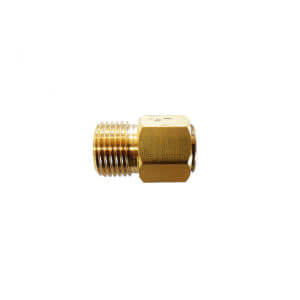
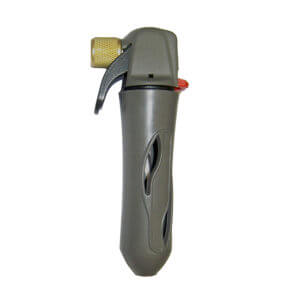
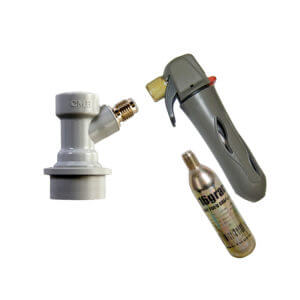
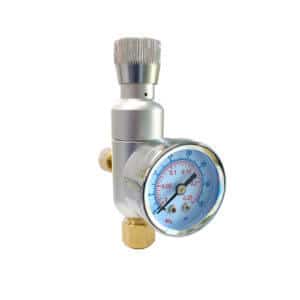
FREQUENTLY ASKED QUESTIONS
What is a portable CO2 charger used for?
A portable CO2 charger is used to deliver controlled carbon dioxide pressure for dispensing or carbonating beverages and powering small gas-driven applications.
Portable CO2 chargers are commonly used in keg systems, soda dispensers, and nitro or cold brew setups where a full-size CO2 cylinder is not practical. They provide a compact solution for maintaining carbonation and pressure consistency.
In addition to beverage use, these chargers are also used in mosquito traps, tire inflators, and portable gas tools, making them versatile for both commercial and field applications.
How do portable CO2 keg chargers work?
Portable CO2 keg chargers work by puncturing a CO2 cartridge and regulating the gas flow into a keg or system at a controlled pressure.
The charger body houses a piercing mechanism and regulator, allowing users to safely release CO2 into a keg for dispensing. This ensures consistent carbonation and flow rate during service.
These systems are designed for ease of use, portability, and repeatable performance, especially in mobile beverage operations or temporary setups.
What size CO2 cartridges are used in portable chargers?
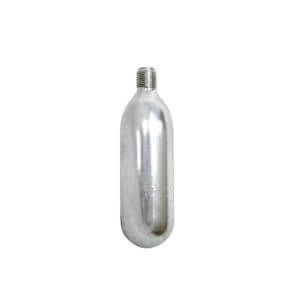
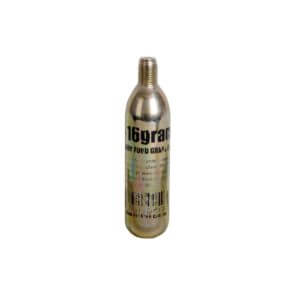
Portable CO2 chargers typically use 16 gram and 74 gram CO2 cartridges depending on the application and required gas volume.
16g cartridges are commonly used for smaller setups like homebrew kegs or single-use dispensing, while 74g cartridges provide extended use for larger kegs or commercial applications.
Selecting the correct cartridge size depends on dispense volume, pressure requirements, and operational duration.
Are portable CO2 chargers suitable for commercial beverage operations?
Yes, portable CO2 chargers are suitable for commercial beverage operations that require mobility, flexibility, or supplemental gas supply.
They are often used by caterers, mobile bars, breweries, and coffee operators who need reliable dispensing without permanent gas infrastructure.
For high-volume or continuous use, they are typically integrated as a backup or portable solution alongside standard CO2 cylinder systems.
What types of regulators are used with portable CO2 systems?
Portable CO2 systems use compact regulators designed to control gas pressure from small CO2 cartridges safely and accurately.
These regulators ensure that keg pressure remains stable, preventing over-carbonation or inconsistent pour quality. Many models include adjustable pressure settings for different beverage types.
Proper regulation is critical for maintaining product quality, system safety, and operational consistency.
Can portable CO2 chargers be used for applications beyond beverages?
Yes, portable CO2 chargers can be used in non-beverage applications such as mosquito traps, tire inflators, and gas-powered tools.
The same controlled gas delivery that supports beverage systems also enables precision operation in field equipment and specialty tools.
This versatility makes portable CO2 systems valuable for multi-industry use cases, especially where portability is required.
What are the advantages of portable CO2 charging systems?
Portable CO2 charging systems offer mobility, ease of use, and flexible gas supply without the need for large cylinders.
They are ideal for remote dispensing, temporary installations, and backup systems, reducing dependency on fixed gas infrastructure.
For operators, this means greater flexibility in setup, faster deployment, and reduced logistical complexity.
Who typically purchases portable CO2 charging equipment in bulk?
Wholesale distributors, beverage brands, OEM manufacturers, and commercial operators typically purchase portable CO2 charging equipment in bulk.
These buyers require consistent product specifications, reliable supply chains, and volume pricing to support ongoing operations.
Bulk purchasing is especially common in beverage distribution, equipment manufacturing, and multi-location service businesses.
Why are portable CO2 chargers sold primarily in wholesale quantities?
Portable CO2 chargers are sold primarily in wholesale quantities because they are designed for commercial and industrial use rather than individual retail consumption.
Suppliers like All Safe Global focus on pallet quantities and large-volume orders to meet the needs of professional buyers.
This approach supports supply consistency, pricing efficiency, and long-term procurement strategies for B2B customers.
How do I choose the right portable CO2 charging setup for my operation?
Choosing the right portable CO2 charging setup depends on your application, required gas volume, pressure control needs, and usage frequency.
Operators should evaluate keg size, dispense rate, cartridge capacity, and regulator compatibility to ensure proper system performance.
For larger or ongoing operations, it is common to combine portable systems with standard CO2 cylinders to balance flexibility and capacity.


