HVAC Regulators
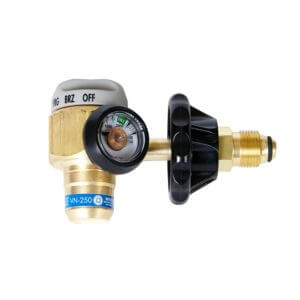
HVAC regulators are critical components for controlling pressure and ensuring safe, consistent gas flow in refrigeration, air conditioning, and industrial HVAC systems. This category includes high-pressure gas regulators, HVAC pressure regulators, refrigerant regulators, and specialty gas control equipment designed for professional service environments where accuracy and reliability matter.
Explore Further (click to learn more):
Whether you are managing refrigerant charging, pressure testing, or system commissioning, selecting the right regulator supports system performance, compliance, and equipment longevity. Our HVAC regulators are built for compatibility with common refrigerants and compressed gases, offering precise pressure control, durable construction, and dependable operation in field conditions.
Add to quote to select, and choose quantity on the quote form to streamline procurement for your team. This quote-based workflow supports contractors, distributors, and facility operators who need bulk ordering, specification matching, and project-based purchasing.
Designed for HVAC technicians, mechanical contractors, and industrial gas professionals, these regulators help maintain safe operating pressures while supporting efficient installation, maintenance, and service workflows.
FREQUENTLY ASKED QUESTIONS
What is an HVAC regulator used for in refrigeration and air conditioning systems?
HVAC regulators are used to control and maintain consistent gas or refrigerant pressure within HVAC and refrigeration systems.
They ensure that pressure delivered from a cylinder or gas source matches the required operating range of the equipment. This prevents over-pressurization, protects system components, and supports stable performance during charging or testing.
In field applications, HVAC technicians rely on regulators for tasks like refrigerant transfer, nitrogen pressure testing, and system diagnostics, where precise control directly impacts system safety and efficiency.
How do I choose the right HVAC regulator for my application?
The right HVAC regulator is selected based on gas type, inlet pressure, outlet pressure range, and connection standards.
Different gases such as nitrogen, refrigerants, or specialty blends require compatible materials and CGA connections to ensure safe operation. Pressure range is equally important to match system requirements and avoid damaging components.
For contractors and distributors, choosing regulators with durable gauges, corrosion-resistant bodies, and field-ready designs helps ensure long-term reliability across multiple service jobs.
What gases are HVAC regulators typically used with?
HVAC regulators are commonly used with nitrogen, refrigerants, and other compressed gases used in system testing and servicing.
Nitrogen is frequently used for pressure testing and leak detection, while refrigerants are controlled during charging and recovery processes. Each gas requires proper regulator compatibility to maintain safety and performance.
Using the correct regulator for each gas type ensures compliance with industry standards and reduces the risk of contamination or equipment failure.
Why is pressure control important in HVAC systems?
Pressure control is important because it protects system components and ensures efficient and safe operation.
Excessive pressure can damage coils, valves, and compressors, while insufficient pressure can lead to poor system performance or incomplete charging. Regulators maintain the correct balance required for proper system function.
For service professionals, accurate pressure control improves diagnostic accuracy and helps maintain manufacturer specifications during installation and maintenance.
What features should I look for in a professional HVAC regulator?
A professional HVAC regulator should include precise gauges, durable construction, compatible fittings, and stable pressure control.
High-quality regulators often feature dual gauges for inlet and outlet pressure, brass or stainless-steel bodies, and reinforced seals for long-term use. These features support accuracy and durability in demanding environments.
For B2B buyers, selecting regulators designed for repeated field use reduces downtime and supports consistent service quality across multiple jobs.
Are HVAC regulators compatible with standard cylinder connections?
Most HVAC regulators are designed to match standard CGA connections used for specific gases and cylinders.
Connection types vary depending on the gas, such as CGA580 for nitrogen or other standards for refrigerants. Using the correct connection ensures a secure fit and prevents leaks or safety hazards.
Professionals should always verify compatibility between the regulator and cylinder to maintain compliance and avoid costly errors in the field.
How accurate are HVAC regulators for pressure control?
HVAC regulators provide accurate pressure control within their specified operating range when properly maintained and calibrated.
Precision depends on regulator design, gauge quality, and proper usage. High-quality models deliver stable output pressure even as cylinder pressure changes.
For technicians, consistent accuracy is essential for leak testing, evacuation, and charging processes where small pressure differences can impact system performance.
Can HVAC regulators be used for both residential and commercial systems?
Yes, HVAC regulators can be used for both residential and commercial systems when properly specified for the application.
The key difference lies in pressure requirements, system size, and frequency of use. Commercial environments may require more robust regulators with higher capacity and durability.
Selecting the right regulator ensures reliable performance whether servicing small residential units or large-scale commercial HVAC systems.
How does a quote-based ordering process benefit HVAC professionals?
A quote-based ordering process allows HVAC professionals to specify exact quantities, configurations, and project requirements before purchasing.
This approach supports bulk pricing, accurate product matching, and streamlined procurement for larger jobs or ongoing service contracts. It also reduces ordering errors.
Using the “add to quote” workflow helps teams align purchasing with project scope, improving efficiency for contractors and distributors managing multiple jobs.
What industries commonly use HVAC regulators beyond HVAC contractors?
HVAC regulators are also used in industrial gas distribution, manufacturing, refrigeration service, and facility maintenance.
These industries rely on precise gas control for testing, system commissioning, and equipment operation. Regulators support safe handling of compressed gases across a wide range of applications.
For procurement teams and distributors, having access to compatible HVAC regulators ensures readiness for diverse customer needs and service environments.


