Cylinder Protection
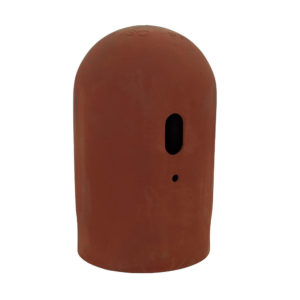
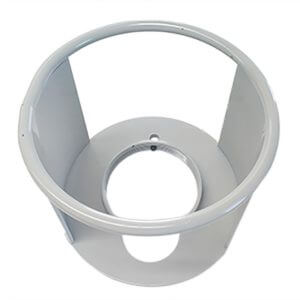
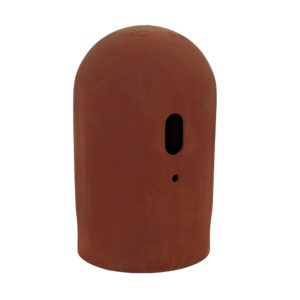
Protecting compressed gas cylinders is critical for safety, compliance, and operational uptime. This category includes cylinder protection components designed to safeguard valves, threads, and cylinder integrity during storage, transport, and daily use. Common solutions include cylinder caps, valve protection guards, collars, and protective accessories built to meet the demands of industrial gas distributors, beverage operations, medical suppliers, and safety-focused environments.
Explore Further (click to learn more):
These components help prevent valve damage, reduce leak risk, and support DOT compliance requirements, especially in high-traffic or mobile applications. Whether you are managing bulk cylinder inventory, outfitting delivery fleets, or maintaining cylinders in regulated facilities, proper protection extends asset life and reduces replacement costs.
Add to quote to select, and choose quantity on the quote form. This allows you to quickly configure the right cylinder protection parts for your application and volume requirements. Built for professional use, these products support reliable handling, transport safety, and long-term cylinder performance in demanding environments.
FREQUENTLY ASKED QUESTIONS
What are cylinder protection caps used for in compressed gas applications?
Cylinder protection caps are used to shield the valve from damage during transport and storage.
Valve damage is one of the most common causes of cylinder failure or hazardous leaks. Protection caps act as a physical barrier, preventing impact from drops, collisions, or improper handling in warehouses and delivery environments.
In industrial, beverage, and medical gas applications, caps are often required during transport to maintain compliance and reduce liability. They are especially critical for high-pressure cylinders where valve integrity directly affects safety and usability.
Do all gas cylinders require valve protection during transport?
Yes, most compressed gas cylinders require valve protection during transport to meet safety and regulatory standards.
DOT and industry guidelines emphasize protecting the valve because it is the most vulnerable and critical component of a cylinder. A damaged valve can lead to rapid gas release or unsafe conditions.
For distributors and fleet operators, using proper caps or guards ensures compliance, reduces risk exposure, and protects cylinder assets during routine logistics operations.
What types of cylinder protection products are available?
Cylinder protection products include caps, collars, valve guards, and protective covers designed for different cylinder types.
Caps are typically threaded and removable, while collars and guards are often fixed components that provide continuous protection. Some solutions are designed for specific gases or cylinder sizes to ensure proper fit and function.
Selecting the right type depends on your application, handling frequency, and regulatory requirements, especially in industrial gas distribution or medical environments.
Why is valve protection critical for high-pressure cylinders?
Valve protection is critical because the valve controls gas release and is the most failure-prone component under impact.
High-pressure cylinders store gas at significant PSI levels, making any valve damage a serious safety hazard. Even minor deformation can compromise sealing and lead to leaks or operational downtime.
Using proper protection components ensures safe handling, maintains compliance, and preserves the usability of high-value cylinder assets.
How do cylinder protection components support DOT compliance?
Cylinder protection components help meet DOT requirements by reducing the risk of valve damage during transport.
Regulations require cylinders to be transported in a way that prevents accidental release of contents. Valve caps and guards are a key part of this requirement, especially for certain cylinder classes and transport scenarios.
For B2B operators, consistent use of compliant protection components simplifies inspections and reduces the likelihood of violations or penalties.
Are cylinder caps reusable across different cylinder types?
Some cylinder caps are reusable across similar cylinder sizes and thread types, but not all are universally compatible.
Thread specifications, cylinder neck designs, and valve configurations vary across gases and manufacturers. Using the wrong cap can result in poor fit or inadequate protection.
It is important to match caps to the correct cylinder specifications to ensure proper engagement and reliable protection in operational environments.
When should cylinder protection be used in daily operations?
Cylinder protection should be used whenever cylinders are stored, transported, or not actively in use.
Even in controlled environments, cylinders are exposed to handling risks such as tipping, stacking, or equipment contact. Protection components reduce the likelihood of accidental damage.
For distributors and facility managers, consistent use of protection products supports safer workflows and extends cylinder service life.
Do cylinder collars provide permanent protection?
Yes, cylinder collars provide permanent valve protection as they are fixed to the cylinder body.
Unlike removable caps, collars and guards are integrated components that remain in place throughout the cylinder’s lifecycle. They are designed to withstand repeated handling and harsh environments.
These solutions are common in industrial and high-use applications where continuous protection is required without relying on removable accessories.
How do cylinder protection products reduce operational costs?
Cylinder protection products reduce costs by preventing damage, extending asset life, and minimizing replacement needs.
Valve repairs and cylinder replacements can be costly and disruptive, especially at scale. Protection components reduce these risks by maintaining structural integrity during handling and transport.
Over time, this leads to lower maintenance expenses and improved fleet reliability for distributors and large-volume users.
What should buyers consider when selecting cylinder protection components?
Buyers should consider cylinder size, valve type, compliance requirements, and usage environment when selecting protection components.
Different industries have different handling conditions, from warehouse storage to field transport. The right product must match both the physical specifications and the operational demands.
For ICP buyers such as gas distributors, safety managers, and procurement teams, selecting the correct protection solution ensures compliance, improves safety outcomes, and supports long-term operational efficiency.


