O-Rings + Washers
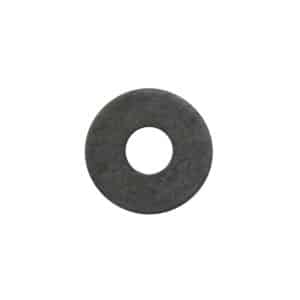
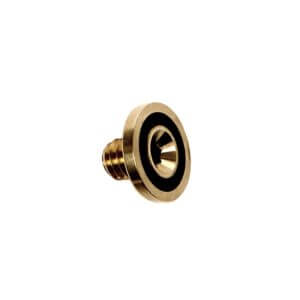
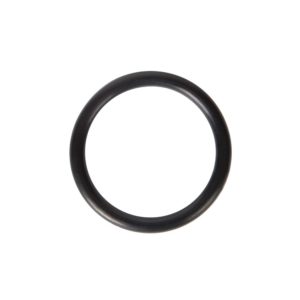
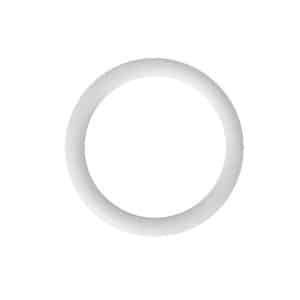
O-rings and washers for cylinder components play a critical role in maintaining leak-tight seals, pressure integrity, and safe operation across compressed gas systems. This category includes replacement O-rings, sealing washers, and gasket components designed for use in CO2, oxygen, nitrogen, propane, and specialty gas cylinders, as well as valves, regulators, and fittings.
Explore Further (click to learn more):
Built for industrial gas, beverage dispensing, medical oxygen, and life-safety applications, these sealing components help prevent leaks, protect equipment, and support compliance with proper maintenance standards. Material compatibility, durometer, and sizing are key factors when selecting the right cylinder seal or washer for your application.
Whether you are performing routine maintenance, rebuilding valves, or replacing worn seals, these parts are designed for reliable performance in demanding service environments.
Add to quote to select, and choose quantity on the quote form. This allows you to specify the exact O-rings and washers needed for your operation, streamlining procurement.




FREQUENTLY ASKED QUESTIONS
What are O-rings and washers used for in gas cylinders?
O-rings and washers are used to create a leak-tight seal between cylinder components and prevent gas loss.
They are installed in connection points such as valve interfaces, regulator fittings, and threaded joints where pressurized gas must be contained. Without proper sealing, even minor leaks can lead to pressure loss, safety risks, or system inefficiency.
In industrial and beverage environments, these components ensure consistent gas delivery, maintain system pressure, and support compliance with operational safety standards.
How do I choose the right O-ring or washer for my cylinder application?
The correct O-ring or washer is selected based on size, material compatibility, pressure rating, and the specific gas being used.
Different gases such as oxygen, CO2, and propane require materials that resist degradation and maintain sealing performance under pressure. Selecting the wrong material can lead to cracking, swelling, or failure.
Buyers typically reference equipment specifications, CGA standards, or existing part dimensions to ensure compatibility with valves, regulators, and cylinder connections.
What materials are commonly used for cylinder O-rings and sealing washers?
Common materials include Buna-N (Nitrile), Viton, EPDM, and PTFE depending on the gas type and operating conditions.
Each material offers different resistance properties to temperature, pressure, and chemical exposure. For example, Viton is often used for higher temperature or chemical resistance, while Buna-N is widely used for general-purpose sealing.
Material selection is critical in regulated environments such as medical oxygen or food-grade beverage systems where compatibility and safety are required.
When should O-rings and washers be replaced on gas cylinders?
O-rings and washers should be replaced whenever they show signs of wear, deformation, cracking, or leakage.
Routine inspection during cylinder servicing or valve maintenance helps identify worn seals before failure occurs. Preventive replacement is common in high-use systems to avoid downtime or safety risks.
In regulated industries, replacement intervals may also be guided by maintenance schedules or compliance requirements.
Are O-rings and washers universal across all cylinder types?
O-rings and washers are not universal and must match the specific cylinder, valve, or regulator design.
Different CGA connections, thread types, and valve configurations require precise sizing and material specifications. Using incorrect components can result in improper sealing or equipment damage.
Professionals typically match parts based on manufacturer specifications or existing component dimensions.
Can I use the same O-rings for oxygen and other gases?
O-rings used for oxygen service must meet specific cleanliness and material compatibility requirements and should not be interchanged with standard seals.
Oxygen systems require materials that minimize the risk of combustion and contamination. Using non-compatible materials can create serious safety hazards.
For this reason, oxygen-rated O-rings are often cleaned, packaged, and handled differently than general-purpose sealing components.
What industries commonly use cylinder O-rings and washers?
Cylinder O-rings and washers are used in industrial gas, beverage dispensing, medical, welding, and fire safety applications.
In beverage systems, they maintain carbonation and pressure consistency, while in industrial settings they support gas delivery for cutting, welding, or processing. Medical applications rely on them for oxygen delivery systems.
Their role is consistent across industries: maintaining safe, reliable, and leak-free operation.
Why are proper sealing components critical for cylinder safety?
Proper sealing components prevent gas leaks, maintain pressure integrity, and reduce safety risks in pressurized systems.
Even a small leak can lead to hazardous conditions, including gas exposure, fire risk, or system failure. Reliable seals ensure that cylinders and connected equipment perform as intended.
For safety officers and plant managers, consistent sealing performance is essential for compliance and operational reliability.
Do O-rings and washers affect regulator or valve performance?
Yes, O-rings and washers directly impact the performance and reliability of regulators and valves.
A compromised seal can cause pressure drops, inconsistent flow, or complete system failure. This is especially critical in applications requiring precise gas control.
Maintaining high-quality sealing components ensures stable operation and extends the lifespan of connected equipment.
How do I order the correct O-rings and washers for my operation?
You can order the correct O-rings and washers by identifying your specifications and submitting them through a quote request.
Most B2B buyers compile part sizes, material requirements, and application details before placing an order. This ensures accurate fulfillment and compatibility with existing systems.
Using a quote-based process allows you to specify quantities, confirm fitment, and align with procurement workflows for maintenance or bulk purchasing.


