Sealants
Cylinder Thread Sealants for Gas Service, Leak Prevention, and Compliance.
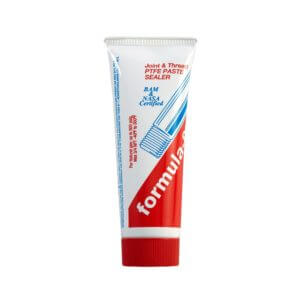
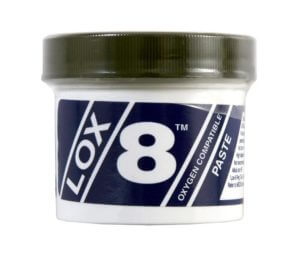
This category includes thread sealants designed for compressed gas cylinders, valves, and fittings, supporting safe, leak-free connections across industrial, beverage, medical, and specialty gas applications. These cylinder sealants are formulated for use with common CGA connections, NPT threads, and high-pressure systems where reliability and compliance are critical.
Explore Further (click to learn more):
Whether you are assembling new cylinders, servicing valves, or maintaining gas distribution systems, proper thread sealing helps prevent leaks, contamination, and pressure loss. Products in this category are selected for compatibility with gases such as CO2, nitrogen, oxygen (where applicable), and other industrial gases, helping support DOT-regulated environments and professional service standards.
Add to quote to select, and choose quantity on the quote form. This allows your team to efficiently source the right sealant for your operation, whether you are managing cylinder refurbishment, distribution, or field service work.
FREQUENTLY ASKED QUESTIONS
What is cylinder thread sealant used for in compressed gas systems?
Cylinder thread sealant is used to create a leak-tight seal between threaded cylinder valves and fittings in compressed gas systems.
In compressed gas applications, even minor leaks can lead to pressure loss, contamination, or safety risks. Thread sealants fill microscopic gaps in threaded connections, ensuring a consistent seal under pressure.
For distributors, service centers, and OEMs, sealants are typically used during cylinder assembly, valve installation, and requalification processes where reliable sealing is required for compliance and performance.
What types of sealants are safe for high-pressure gas cylinders?
Sealants designed for high-pressure gas cylinders are typically PTFE-based or anaerobic compounds rated for gas service and pressure resistance.
These formulations are engineered to withstand pressure, temperature variation, and chemical exposure without breaking down or migrating into the gas stream. Compatibility with specific gases is critical, especially in oxygen or specialty gas applications.
Professionals should always verify specifications such as pressure rating, cure time, and gas compatibility to ensure the sealant meets operational and regulatory requirements.
Can you use PTFE thread sealant on oxygen cylinders?
Only oxygen-compatible PTFE sealants specifically rated for oxygen service should be used on oxygen cylinders.
Oxygen systems require materials that will not react, ignite, or degrade in high-purity environments. Standard sealants may contain oils or additives that are not safe for oxygen use.
For medical, industrial, or life-safety applications, buyers should select sealants labeled for oxygen service and follow CGA and industry cleanliness standards.
How do you apply cylinder thread sealant correctly?
Cylinder thread sealant should be applied evenly to clean male threads before assembly, avoiding excess material that could enter the system.
Proper surface preparation is essential, including removing debris, oil, or previous sealant residue. Applying the correct amount ensures full coverage without contamination.
In professional settings, technicians follow standardized torque and assembly procedures to maintain consistency and compliance across cylinder builds and repairs.
What is the difference between thread sealant and thread tape for gas cylinders?
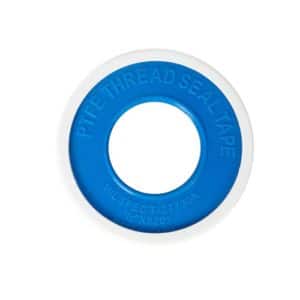
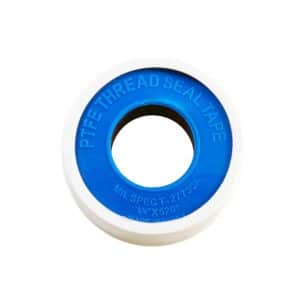
Thread sealant is a liquid or paste that cures or sets, while thread tape is a PTFE film wrapped around threads to create a seal.
Sealants often provide more consistent coverage and are less prone to misapplication in high-pressure or critical systems. Tape can be effective but requires proper wrapping technique to avoid leaks or thread damage.
In many industrial and cylinder service environments, liquid sealants are preferred for repeatability, especially in production or refurbishment workflows
Are cylinder sealants required for DOT compliance?
Cylinder sealants are not always explicitly required, but proper sealing of threaded connections is necessary to meet DOT safety and leak-prevention standards.
DOT regulations focus on ensuring cylinders are safe for transport and use, which includes leak-free valve and fitting connections. Sealants are one of the accepted methods to achieve this.
Service providers and requalifiers use approved sealing methods as part of their standard procedures to maintain compliance and inspection readiness.
What industries use cylinder thread sealants?
Cylinder thread sealants are used across industrial gas, beverage dispensing, medical gas, fire safety, and specialty gas industries.
Each of these sectors relies on compressed gas systems where leak prevention and pressure integrity are critical. Applications range from CO2 beverage systems to oxygen delivery and welding gas supply.
Buyers in these industries prioritize sealants that meet specific gas compatibility, regulatory, and performance requirements.
How do I choose the right sealant for my gas application?
The right sealant depends on gas type, pressure rating, temperature conditions, and compatibility with system materials.
Different gases have different reactivity and purity requirements, making compatibility a primary selection factor. Pressure and temperature ratings also determine long-term performance.
Procurement teams and technicians typically reference product specifications, CGA guidelines, and application requirements to select the appropriate sealant.
Can thread sealant prevent gas leaks long term?
Yes, properly applied and correctly specified thread sealant can provide long-term leak prevention in compressed gas systems.
High-quality sealants maintain integrity under pressure cycles and environmental changes, reducing the risk of degradation over time. This supports operational uptime and safety.
Routine inspection and proper installation practices remain important to ensure continued performance in demanding service conditions.
Do cylinder service providers use sealants during requalification?
Yes, cylinder service providers commonly use thread sealants during valve installation and requalification processes.
During requalification, cylinders are disassembled, inspected, and reassembled, requiring reliable sealing of threaded connections. Sealants help ensure the cylinder meets leak and safety standards before returning to service.
For distributors and service centers, consistent sealant use is part of standardized workflows that support compliance, safety, and product reliability.