Sankey Kegerator Kits
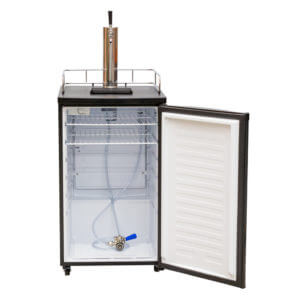
Sankey kegerator kits are complete draft beer dispensing systems designed for use with commercial Sankey (D-system) kegs commonly found in breweries, bars, and beverage programs. These kits typically include Sankey couplers, CO₂ regulators, gas and beverage lines, and dispensing hardware, providing a reliable setup for consistent pour performance and pressure control.
Explore Further (click to learn more):
Built for craft beer service, hospitality operations, and beverage distributors, Sankey kegerator kits support efficient keg tapping, carbonation management, and clean dispensing. Whether you are setting up a new draft system or upgrading existing equipment, these kits are configured to be compatible with standard 1/6 bbl, 1/4 bbl, and 1/2 bbl Sankey kegs.
Add to quote to select, and choose quantity on the quote form to configure the right system for your application. This ensures you can match components to your operational requirements, including flow rate, line length, and regulator specifications.
Designed for professional environments, these systems help maintain product quality, operational uptime, and consistent serving pressure across beverage programs.

FREQUENTLY ASKED QUESTIONS
What is a Sankey kegerator kit used for?
A Sankey kegerator kit is used to dispense draft beer from commercial Sankey kegs using a complete pressurized system.
These kits are standard in bars, breweries, restaurants, and beverage distribution environments where consistent draft performance is required. The Sankey coupler connects directly to the keg valve, allowing CO₂ to pressurize the system and push beer through the lines.
They are designed for operational reliability, ensuring proper carbonation levels, smooth flow rates, and minimal foam when properly configured and maintained.
What components are included in a Sankey kegerator kit?
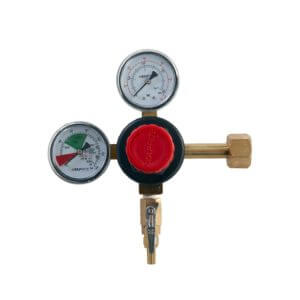
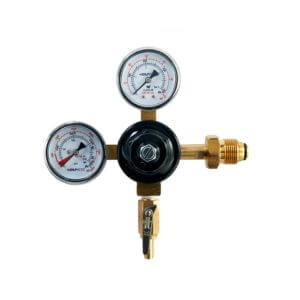
A Sankey kegerator kit typically includes a Sankey coupler, CO₂ regulator, gas line, beer line, and dispensing faucet or tower.
Each component plays a critical role in system performance, from pressure regulation to liquid delivery. The regulator controls CO₂ output, while the coupler ensures a secure connection to the keg.
Many kits are configured for plug-and-play installation, reducing setup time and ensuring compatibility with standard commercial keg systems.
Are Sankey kegerator kits compatible with all beer kegs?
Sankey kegerator kits are compatible with most North American commercial beer kegs that use the D-system Sankey valve.
These include standard keg sizes such as 1/6 barrel, 1/4 barrel, and 1/2 barrel kegs commonly used by breweries and distributors. However, they are not compatible with ball lock or pin lock kegs used in homebrewing.
For non-Sankey kegs, different couplers or conversion kits are required to ensure proper connection and operation.
What size CO₂ tank is needed for a Sankey kegerator kit?
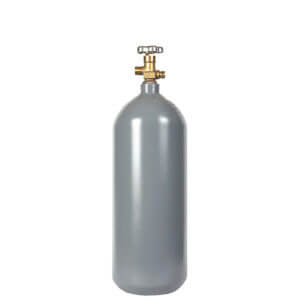
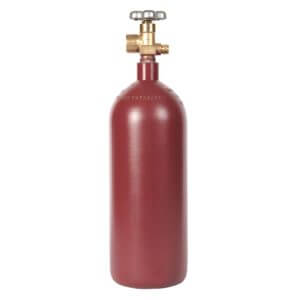
Most Sankey kegerator kits use CO₂ tanks ranging from 5 lb to 20 lb depending on usage volume and dispensing frequency.
Smaller tanks are suitable for low-volume or intermittent use, while larger tanks support higher throughput environments such as bars or event service. Tank size directly impacts how often refills are required.
Selecting the right CO₂ capacity helps maintain consistent pressure and reduces operational interruptions.
How do you set the correct pressure for a Sankey kegerator system?
The correct pressure is typically set between 10–14 PSI depending on beer style, temperature, and line configuration.
Pressure settings must balance carbonation retention and flow control to prevent excessive foam or flat beer. Colder temperatures generally require lower pressure adjustments.
Operators should calibrate regulators based on line length, elevation, and serving conditions to ensure optimal performance.
Can Sankey kegerator kits be used for beverages other than beer?
Yes, Sankey kegerator kits can be used for other carbonated beverages if the keg uses a compatible Sankey valve.
Applications may include cider, kombucha, wine on tap, and some ready-to-drink cocktails distributed in Sankey kegs. However, pressure and line configurations may vary based on beverage characteristics.
It is important to verify compatibility and adjust regulator settings to match the specific product requirements.
What is the difference between a Sankey coupler and other keg couplers?
A Sankey coupler is specifically designed for D-system keg valves, while other couplers are built for different keg connection standards.
For example, ball lock and pin lock systems are common in homebrew setups and require different connectors. European kegs may use S-system or other variations.
Using the correct coupler ensures a secure seal, proper gas flow, and safe operation of the dispensing system.
How do you maintain a Sankey kegerator kit?
Maintaining a Sankey kegerator kit involves regular cleaning of beer lines, inspection of seals, and monitoring regulator performance.
Routine cleaning prevents buildup that can affect taste and flow, while checking O-rings and connections ensures system integrity. Regulators and gauges should be periodically verified for accuracy.
Consistent maintenance supports product quality, reduces downtime, and extends equipment life.
Are Sankey kegerator kits suitable for commercial use?
Sankey kegerator kits are designed for commercial environments including bars, restaurants, breweries, and beverage service operations.
They are built to handle continuous use, maintain stable pressure, and integrate with standard draft systems. Many kits use durable materials such as stainless steel components and reinforced lines.
This makes them a reliable choice for businesses that require consistent dispensing performance and compliance with industry practices.
How do I choose the right Sankey kegerator kit for my application?
The right Sankey kegerator kit depends on keg size, dispensing volume, available space, and system configuration requirements.
Buyers should consider factors such as single vs. dual tap setups, regulator capacity, line length, and CO₂ tank size. Matching these specifications to operational needs ensures efficient performance.
Using the quote system to select components and quantities allows for a more tailored solution aligned with your specific use case.