LP/Propane + CNG Cylinders
LP, Propane, and CNG Cylinders for Industrial and Commercial Applications
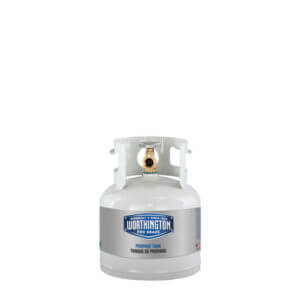
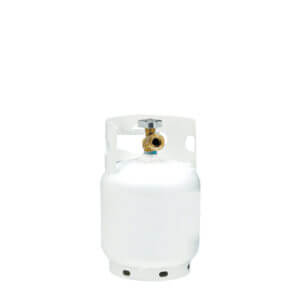
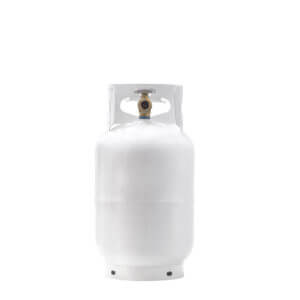
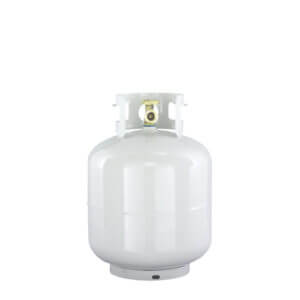
All Safe Global is a wholesale volume distributor of LP, propane, and CNG cylinders in a wide range of sizes and configurations. We supply new and reconditioned steel and aluminum propane cylinders designed for demanding commercial environments where reliability, compliance, and durability matter.
Explore Further (click to learn more):
These LP/propane/CNG cylinders are commonly used for camping supply distribution, heating systems, industrial operations, cooking equipment, forklift fuel systems, and other compressed gas applications that require dependable cylinder performance.
New propane and CNG cylinders are USA-made, shot-blasted, powder-coated, and precision-tested to ensure long service life and corrosion resistance in professional service environments. Reconditioned propane cylinders are fully refurbished through hydrostatic testing, new OPD valve installation, and rust-resistant repainting, helping distributors extend asset life while maintaining compliance.
All Safe Global specializes in pallet quantities, large volume purchases, and wholesale propane cylinder distribution, supporting gas distributors, equipment suppliers, and industrial buyers nationwide. While we maintain one of the industry’s broadest cylinder inventories, our focus is on bulk wholesale supply rather than single retail sales.

FREQUENTLY ASKED QUESTIONS
What types of LP, propane, and CNG cylinders are available for wholesale purchase?
LP, propane, and CNG cylinders are available in multiple sizes and configurations made from steel or aluminum for commercial, industrial, and fuel-gas applications.
Wholesale distributors typically choose between steel propane cylinders for durability and aluminum cylinders for lighter weight and corrosion resistance. Common sizes include 20 lb, 30 lb, 40 lb, and 100 lb propane cylinders, along with specialized tanks used in industrial and alternative fuel applications.
These cylinders are widely used across industries such as propane distribution, equipment rental fleets, construction, agriculture, and forklift fuel supply, where consistent cylinder availability and compliance with DOT regulations are critical.
Are new propane cylinders different from reconditioned propane cylinders?
New propane cylinders are newly manufactured tanks, while reconditioned cylinders are refurbished tanks that have been tested and restored for continued service.
New cylinders are typically shot-blasted, powder-coated, and precision-tested during manufacturing to ensure structural integrity and long operational life.
Reconditioned cylinders undergo hydrostatic testing, valve replacement, and repainting, allowing distributors and fleet operators to extend the usable life of existing cylinders while maintaining regulatory compliance.
What is an OPD valve on a propane cylinder?
An OPD valve is an overfill protection device that prevents propane cylinders from being filled beyond safe capacity.
OPD valves include a mechanical float mechanism inside the cylinder that automatically stops filling when the liquid propane reaches a safe level.
These valves are required on most consumer propane cylinders and are commonly installed during refurbishment or cylinder requalification to ensure compliance with safety standards.
What industries commonly use LP and propane cylinders?
LP and propane cylinders are widely used across industries including heating, food service, construction, agriculture, and forklift fuel systems.
For example, restaurants and catering operations use propane cylinders for cooking, while construction and roofing crews rely on propane for portable heating and torch equipment.
Propane cylinders are also essential in forklift fleets, RV and camping supply distribution, and rural heating systems, making them one of the most versatile compressed gas storage solutions.
How are propane cylinders tested for safety and compliance?
Propane cylinders are tested using hydrostatic testing and visual inspection to verify structural integrity and compliance with DOT safety standards.
Hydrostatic testing involves pressurizing the cylinder with water to confirm it can safely withstand operating pressure without deformation or leaks.
This testing is required periodically throughout a cylinder’s service life and is often part of professional refurbishment and requalification programs used by distributors and industrial gas suppliers.
What sizes of propane cylinders are most commonly used?
The most commonly used propane cylinder sizes include 20 lb, 30 lb, 40 lb, and 100 lb tanks for residential, commercial, and light industrial applications.
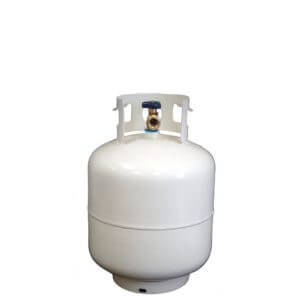
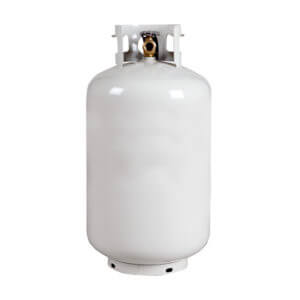
The 20 lb propane cylinder is widely used for grills and recreational equipment, while 30 lb and 40 lb cylinders are common in RV, food service, and heating applications.
Larger 100 lb propane cylinders are typically used in commercial heating systems, construction sites, and temporary energy supply installations.
What is the difference between steel and aluminum propane cylinders?
Steel propane cylinders provide greater durability for heavy-duty environments, while aluminum cylinders offer lighter weight and improved corrosion resistance.
Steel cylinders are often chosen for industrial use, fleet service, and environments where cylinders are frequently transported or handled.
Aluminum cylinders are preferred in applications where weight reduction and long-term corrosion resistance are important, such as marine or portable equipment use.
Can propane cylinders be refurbished and reused?
Yes, propane cylinders can be refurbished and reused after passing required inspections and hydrostatic testing.
Professional refurbishment typically includes hydro testing, installation of new valves such as OPD valves, repainting, and corrosion removal.
This process helps distributors and equipment providers extend the lifecycle of cylinder assets while maintaining safety and regulatory compliance.
What is the difference between LP cylinders and CNG cylinders?
LP cylinders store liquefied petroleum gas while CNG cylinders store compressed natural gas at significantly higher pressure.
Propane cylinders are designed to hold liquefied gas under moderate pressure, while CNG cylinders must withstand very high pressures used in compressed natural gas fuel systems.
Because of these differences, the cylinder design, wall thickness, valve systems, and regulatory standards differ between LP and CNG tanks.
Why do wholesale buyers purchase propane cylinders in pallet quantities?
Wholesale buyers purchase propane cylinders in pallet quantities to reduce unit cost, streamline logistics, and maintain inventory for distribution or fleet operations.
Bulk purchasing allows distributors to lower shipping costs, standardize cylinder inventory, and maintain consistent supply for customers or service fleets.
For propane distributors, equipment suppliers, and industrial gas companies, pallet-level purchasing ensures operational continuity and better cost control across large cylinder fleets.


