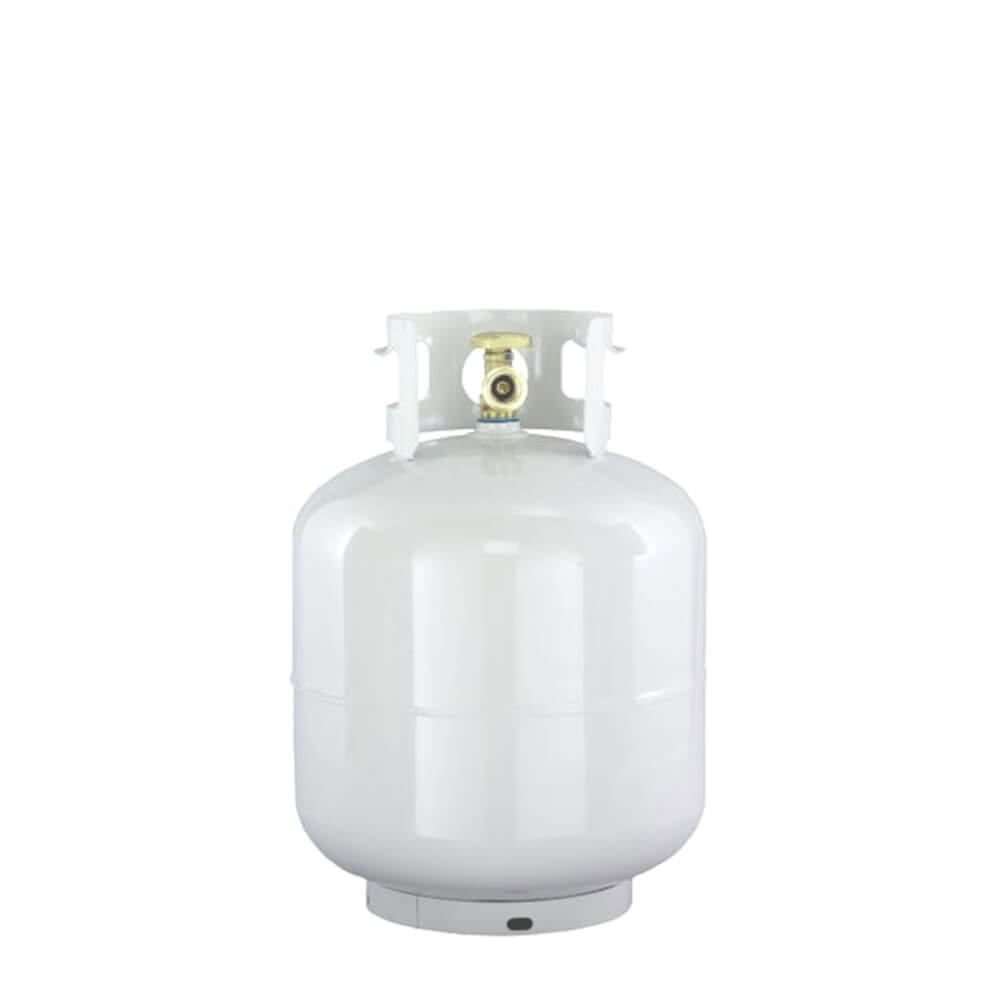
20 lb Steel LP Cylinder
- Propane / LP Cylinder with OPD Valve
- Steel with Powder-Coated Exterior
- Integrated Collar Handles
- DOT- and TC-Approved
Description
All Safe’s new wholesale 20 lb steel LP/propane cylinders are the most popular cylinders in our wide variety of LP/propane tanks — the universal cylinder for camping, cooking, barbeque, heating, and hundreds of other recreational, commercial, and industrial uses.
These 20 lb cylinders are engineered for durability and light weight. USA-made tanks feature in-demand safety, performance, and convenience features like formed integral top handles, installed OPD device, rust-inhibiting powder coat paint, and dry, scale-free interiors. Extensively tested for long-lasting performance and value.
Other LP/propane tanks and forklift cylinders in all sizes are available on our LP/propane/CNG cylinder section.
All Safe Global sells only in large-quantity and pallet-size orders of 20 lb. steel LP/propane cylinders, with large volume wholesale discounts to distributors and suppliers. Please contact your representative for pricing or submit a quote request. Unfortunately, ASG does not sell single-item quantities or retail items to individual purchasers.
Additional information
| Capacity | |
|---|---|
| Diameter | |
| Height | 17.4" / 442 mm |
| Material | |
| Service Pressure | |
| Valve | |
| Certification | DOT/TC |
FREQUENTLY ASKED QUESTIONS
Why is the 20 lb steel LP cylinder the industry standard for propane applications?
The 20 lb steel LP cylinder has become the standard because it offers an effective balance of portability, capacity, durability, and widespread equipment compatibility.
This cylinder size is commonly used across residential, commercial, and light industrial propane applications, making it one of the most recognized cylinder formats in North America. Its standardized dimensions simplify inventory management for distributors while allowing customers to exchange or refill cylinders through established propane service networks.
For wholesale propane marketers and cylinder exchange programs, standardizing on a 20 lb cylinder helps streamline purchasing, storage, transportation, and fleet management while meeting the needs of a broad customer base
Who is this 20 lb Steel LP Cylinder designed for?
This cylinder is intended for propane distributors, fuel gas marketers, equipment rental companies, retailers, and other commercial organizations purchasing propane cylinders in wholesale quantities.
Organizations managing cylinder fleets often prioritize consistency, regulatory compliance, and long-term durability. A standardized cylinder specification simplifies inventory planning, supports efficient replacement programs, and helps maintain compatibility across multiple customer applications.
Because All Safe Global supplies wholesale markets, this product is designed to support commercial distribution rather than individual consumer purchases.
Why do propane distributors standardize on one cylinder size?
Standardizing on a single cylinder size simplifies operations throughout the entire propane supply chain.
Using one common cylinder format reduces inventory complexity, improves warehouse efficiency, simplifies transportation planning, and makes it easier to manage exchange inventories. Standardization also helps service technicians, refill operators, and customers work with familiar equipment and procedures.
For businesses operating hundreds or thousands of cylinders, these operational efficiencies can reduce administrative complexity while improving asset utilization.
Why are steel propane cylinders commonly used in commercial fleets?
Steel cylinders provide an excellent combination of strength, durability, and long service life for demanding commercial environments.
Propane cylinders are routinely transported, loaded, stored outdoors, and exchanged between customers. Steel construction helps withstand the normal handling associated with these operating conditions and provides dependable performance during repeated refill cycles when properly maintained.
For many commercial fleet operators, steel cylinders continue to deliver an attractive balance between durability and total cost of ownership.
How does the powder-coated finish benefit commercial propane operations?
A powder-coated finish helps protect the cylinder from corrosion, abrasion, and normal weather exposure encountered during storage and transportation.
Commercial propane cylinders frequently spend time outdoors, on delivery vehicles, or in exchange cages where exposure to moisture and routine handling can affect appearance over time. A durable exterior coating helps preserve the cylinder’s finish while supporting long-term fleet presentation.
Maintaining a professional appearance can also improve customer confidence in cylinder exchange and retail environments.
Why is the protective collar important on a propane cylinder?
The protective collar helps shield the cylinder valve during handling, transportation, and storage.
Because the valve is one of the most critical components of any propane cylinder, protecting it from accidental impact helps reduce the likelihood of damage during routine commercial operations. The integrated handles also make it easier for trained personnel to lift and position the cylinder.
These design features support both operational efficiency and safe cylinder handling practices.
What does DOT approval mean for a propane cylinder?
DOT approval indicates that the cylinder has been manufactured to applicable transportation standards for compressed gas cylinders.
For propane distributors and commercial users, DOT-compliant cylinders help support safe transportation and handling throughout the product’s service life. Maintaining compliance also requires periodic inspection and requalification at the intervals specified by applicable regulations.
Using compliant cylinders is an important part of responsible fleet management and regulatory adherence.
Why are OPD valves required on most 20 lb propane cylinders?
Overfill Prevention Device (OPD) valves are designed to help prevent propane cylinders from being filled beyond their intended capacity.
This additional safety feature has become the industry standard for most refillable 20 lb propane cylinders. By helping to control fill levels during filling, OPD valves support safe cylinder operation and compliance with current refill practices.
Commercial propane marketers routinely specify OPD-equipped cylinders for new fleet purchases.
Can this cylinder be used in propane exchange programs?
Yes. Its standardized size, durable construction, and OPD valve configuration make it appropriate for commercial propane exchange operations.
Exchange programs depend on consistent cylinder specifications to simplify inventory rotation, customer exchanges, and refill operations. Standardized cylinders also help improve operational efficiency across multiple retail locations.
How long can a properly maintained propane cylinder remain in service?
A properly maintained propane cylinder can provide many years of service when it is inspected, requalified, and maintained in accordance with applicable DOT requirements.
Rather than replacing cylinders on a fixed schedule, commercial fleet operators typically manage cylinders throughout their service life using inspection and requalification programs. This approach helps maximize asset utilization while maintaining compliance.
What industries commonly purchase 20 lb LP cylinders?
Twenty-pound LP cylinders are widely used throughout propane distribution, equipment rental, hospitality, outdoor recreation, construction, agriculture, retail, and facility maintenance.
Because the cylinder supports many different propane-powered applications, it has become one of the most versatile cylinder sizes for wholesale distributors serving diverse customer markets.
What propane equipment typically uses a 20 lb cylinder?
A standard 20 lb LP cylinder is commonly paired with propane grills, patio heaters, portable generators, camping equipment, temporary heating systems, cooking appliances, and other compatible LP-powered equipment.
Its widespread compatibility is one reason many distributors choose to maintain this cylinder size as a core inventory item.
Why do equipment rental companies frequently use standardized LP cylinders?
Equipment rental businesses benefit from using cylinders that are compatible across multiple types of rental equipment.
Standardized inventory simplifies logistics, reduces stocking requirements, and makes cylinder replacement more efficient throughout rental operations. It also helps employees quickly identify compatible cylinders when preparing equipment for customers.
How does a new propane cylinder compare with a professionally reconditioned cylinder?
A new cylinder provides factory-new construction, while a professionally reconditioned cylinder has been inspected, tested, refurbished, and returned to service in accordance with applicable requirements.
Many distributors operate both new and reconditioned cylinders within their fleets depending on inventory strategy, customer requirements, and lifecycle planning. Reconditioned cylinders can provide a cost-effective solution for many commercial applications while extending the useful life of existing assets.
How does standardizing propane cylinders help reduce operating costs?
Standardization helps improve inventory control, purchasing efficiency, fleet management, and replacement planning.
Using consistent cylinder specifications allows distributors to simplify warehousing, transportation, maintenance scheduling, and customer support. Over time, these operational efficiencies can contribute to lower administrative costs and improved fleet utilization.
What should wholesale buyers consider when purchasing propane cylinders?
Wholesale buyers should evaluate more than cylinder capacity alone.
Important considerations include regulatory compliance, valve configuration, construction quality, protective finishes, long-term durability, product consistency, and supplier capabilities. Many distributors also consider inventory availability, service support, requalification resources, and lifecycle management when selecting a cylinder supplier.
Working with an experienced wholesale partner can help ensure cylinder specifications align with operational requirements and long-term fleet objectives.
Why do many distributors purchase propane cylinders in pallet quantities?
Purchasing pallet quantities helps improve shipping efficiency, inventory planning, and warehouse operations.
Receiving standardized pallet shipments simplifies receiving, reduces handling time, and allows distributors to replenish inventory more efficiently. Bulk purchasing also supports fleet expansion and seasonal demand planning for propane marketers and equipment suppliers.
How does this cylinder support long-term fleet management?
The cylinder’s standardized design, durable steel construction, OPD valve, and commercial-grade specifications make it well suited for organizations managing large propane cylinder inventories.
Consistent cylinder specifications simplify replacement planning, inventory control, customer exchanges, and ongoing maintenance programs. For wholesale distributors, this operational consistency supports more efficient fleet management throughout the cylinder lifecycle.