O-Rings
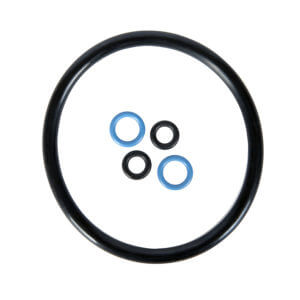
Keg O-Rings for Reliable Sealing and Leak Prevention.
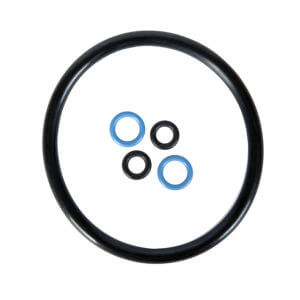
Keg O-rings are critical sealing components used across beer kegs, soda kegs, and cold brew coffee systems to maintain pressure, prevent leaks, and protect product quality. This category includes keg post O-rings, dip tube O-rings, lid O-rings, and replacement seal kits designed for ball lock, pin lock, and Sankey keg systems. Built from durable materials such as Buna-N (Nitrile) and EPDM, these O-rings are engineered for CO2 and nitrogen applications, ensuring compatibility with demanding beverage environments.
Explore Further (click to learn more):
For distributors, breweries, coffee operations, and service technicians, selecting the correct O-ring size and material is essential for system uptime, sanitation, and consistent carbonation performance. Regular replacement helps reduce downtime, prevent gas loss, and extend the life of keg components.
Add to quote to select, and choose quantity on the quote form to streamline procurement and ensure you receive the exact O-ring specifications required for your operation.


FREQUENTLY ASKED QUESTIONS
What are keg O-rings used for in beverage systems?
Keg O-rings are used to create airtight seals in keg systems to maintain pressure and prevent gas or liquid leaks.
They are installed on key sealing points such as keg posts, dip tubes, and lids, where even minor leaks can impact carbonation and product integrity. Without proper sealing, CO2 or nitrogen can escape, leading to flat beverages or inconsistent dispensing.
In commercial beverage environments, O-rings play a direct role in maintaining system pressure stability and product quality, especially in high-volume draft beer, cold brew coffee, and soda applications.
How do I know which keg O-ring size I need?
You determine the correct keg O-ring size by matching it to the keg type, component, and manufacturer specifications.
Different keg systems, such as ball lock, pin lock, and Sankey, use specific O-ring dimensions for posts, lids, and dip tubes. Using the wrong size can result in poor sealing or premature wear.
For B2B buyers and service teams, referencing equipment specs or ordering standardized replacement kits helps ensure compatibility and reduces installation errors.
What materials are keg O-rings made from?
Keg O-rings are typically made from Buna-N (Nitrile) or EPDM rubber for durability and chemical resistance.
Buna-N offers strong resistance to oils and gases like CO2, making it a common choice for general keg sealing applications. EPDM provides better resistance to cleaning chemicals and higher temperatures, which is beneficial in sanitation-heavy environments.
Material selection matters for compliance, longevity, and performance, particularly in regulated beverage and food-grade operations.
How often should keg O-rings be replaced?
Keg O-rings should be replaced regularly based on usage, typically every few months or during routine maintenance cycles.
Frequent use, cleaning, and exposure to pressure can cause O-rings to wear, crack, or lose elasticity. Waiting too long increases the risk of leaks and system inefficiencies.
In commercial settings, many operators replace O-rings proactively during cleaning or keg servicing to maintain uptime and avoid product loss.
What are the signs of a worn or failing keg O-ring?
Common signs include gas leaks, loss of pressure, visible cracks, or difficulty maintaining carbonation.
You may also notice hissing sounds, inconsistent pours, or reduced system pressure readings. These issues often point to degraded sealing surfaces.
Routine inspection of O-rings during cleaning or servicing helps identify wear early and prevent operational disruptions.
Are keg O-rings universal across all keg systems?
Keg O-rings are not universal and must match the specific keg type and component.
Ball lock, pin lock, and Sankey kegs all have different dimensions and sealing requirements. Even within the same system, lid, post, and dip tube O-rings vary in size.
For distributors and maintenance teams, stocking system-specific O-rings ensures faster repairs and reduces compatibility issues in the field.
Can keg O-rings affect beverage taste or quality?
Yes, degraded or incorrect O-rings can affect beverage taste by allowing contamination or improper sealing.
If an O-ring fails, oxygen exposure or leaks can compromise freshness, carbonation, and flavor consistency. Additionally, worn materials may harbor bacteria if not properly maintained.
Using food-grade, properly fitted O-rings supports sanitation standards and protects product quality across beverage applications.
What is the difference between lid, post, and dip tube O-rings?
Lid, post, and dip tube O-rings each seal different parts of the keg system and have unique sizes and functions.
Lid O-rings create the primary seal at the top of the keg, while post O-rings seal gas and liquid connections. Dip tube O-rings ensure proper flow paths inside the keg.
Understanding these distinctions helps operators troubleshoot leaks and maintain efficient dispensing systems.
Are keg O-rings compatible with CO2 and nitrogen systems?
Yes, most keg O-rings are designed to be compatible with both CO2 and nitrogen gas applications.
Materials like Buna-N and EPDM are selected for their ability to handle pressure and resist gas permeation. This makes them suitable for beer, nitro coffee, and mixed gas systems.
For operations running multiple gas types, selecting the correct material ensures consistent performance and long service life.
Why is it important to keep spare keg O-rings in inventory?
Keeping spare keg O-rings on hand minimizes downtime and allows for immediate maintenance or repairs.
Unexpected failures can disrupt service, especially in high-volume environments like breweries, coffee shops, and beverage distributors. Having replacements readily available ensures quick resolution.
For B2B buyers, maintaining inventory of critical components like O-rings supports operational continuity and reduces costly interruptions.


