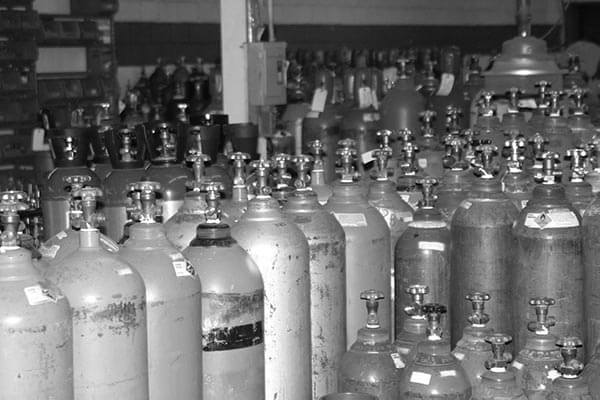
Cylinder Cores Wanted!
All Safe Global is proud to offer safe, environmentally friendly portable gas cylinder recycling services to our commercial customers.
Proper compressed gas cylinders disposal is important.
Our gas cylinder recycling center is approved by the Minnesota Pollution Control Agency and works with other government agencies to assure the safe and legal disposal of old cylinders.
We are actively receiving serviceable out-of-date steel and aluminum cylinders previously in-service for CO2, helium, nitrogen, argon, LP, and many other high pressure gasses. We can safely recycle most compressed gas cylinders, including fire extinguishers, propane tanks (including disposable and MAPP), medical cylinders, steel and aluminum industrial cylinders, refrigerant cylinders, and most acetylene cylinders.
How to Recycle Cylinders
Commercial customers can easily and safely recycle their gas cylinders with All Safe Global. If you’re a commercial customer, begin the gas cylinder recycling process by emailing a digital photo to info@allsafe.net. Since there are many different cylinders in circulation, we need to have a correct identification before we can accept gas cylinders for recycling. We’ll follow up with potential next steps from there.
Gas Cylinder Recycling Pick-Up Service Available Within ASG Truck Routes
For more than four decades, All Safe Global has been the leading name in compressed gas cylinders, valves, parts, accessories, and gas cylinder testing, recycling and requalification.
With multiple nationally recognized DOT-approved testing facilities and Ultrasonic Examination (UE) capabilities, ASG is your best choice for commercial gas cylinder recycling and refurbishment



FREQUENTLY ASKED QUESTIONS
What is cylinder recycling and when should a compressed gas cylinder be recycled?
A compressed gas cylinder should be recycled when it is permanently removed from service due to damage, regulatory failure, or the end of its usable life.
Cylinder recycling is the controlled process of safely decommissioning a compressed gas cylinder so that it cannot re-enter service and its materials can be recovered. Industrial cylinders operate under strict safety and regulatory requirements, and any cylinder that fails inspection, hydrostatic testing, or regulatory compliance standards must be permanently removed from circulation.
For gas distributors, beverage operators, welding suppliers, and safety equipment providers, recycling ensures that obsolete or unsafe cylinders are handled responsibly. The process typically includes depressurization, valve removal, cylinder rendering, and material recovery so the steel or aluminum can be processed through industrial recycling streams.
How do companies safely dispose of compressed gas cylinders?
Compressed gas cylinders must be disposed of through a certified recycling or cylinder service provider that follows DOT safety procedures.
Improper disposal of pressurized cylinders can create serious safety risks because cylinders may still contain residual gas or internal pressure. Professional recycling services first verify that the cylinder is empty, safely remove valves, and render the cylinder incapable of holding pressure before it enters the metal recycling process.
Industrial gas distributors, breweries, medical suppliers, and propane providers typically rely on authorized service centers to manage this process. This ensures compliance with transportation and hazardous materials regulations while protecting workers, facilities, and recycling partners.
Why can’t compressed gas cylinders be thrown into standard scrap metal recycling?
Compressed gas cylinders cannot be placed in standard scrap streams because they may still contain pressurized gas and require controlled decommissioning.
Even when a cylinder appears empty, residual pressure or trapped gas can remain inside the vessel. If a cylinder enters a metal shredder or scrap yard without being properly rendered, it can rupture or explode during processing.
Professional cylinder recycling services follow strict procedures such as depressurization, valve removal, and permanent rendering to eliminate pressure hazards. These steps ensure the cylinder is safe for recycling while maintaining compliance with industry safety and environmental standards.
What types of cylinders can be recycled?
Most steel and aluminum compressed gas cylinders used in industrial, medical, beverage, and propane applications can be recycled once properly decommissioned.
Common examples include CO2 cylinders, nitrogen cylinders, oxygen cylinders, acetylene cylinders, SCBA breathing air cylinders, and LP/propane tanks. These cylinders are typically manufactured from recyclable metals such as high-strength steel or aluminum alloys.
Before recycling, cylinders must be evaluated to determine whether refurbishment, requalification, or recycling is the appropriate path. Many organizations choose recycling when a cylinder is severely damaged, obsolete, or no longer cost-effective to requalify.
What happens to a cylinder during the recycling process?
During recycling, a compressed gas cylinder is depressurized, rendered permanently unusable, and processed so its metal materials can be recovered.
The process begins with verification that the cylinder is empty and safe to handle. Technicians remove the valve and inspect the cylinder to ensure no residual hazards remain. The cylinder body is then cut, crushed, or otherwise rendered so it cannot be refilled or returned to service.
Once the cylinder is rendered safe, the steel or aluminum body enters the industrial metal recycling stream where it can be melted and reused in new manufacturing applications.
How do gas distributors manage large quantities of retired cylinders?
Gas distributors typically manage retired cylinders through structured recycling programs that safely process large batches of obsolete or damaged cylinders.
Distributors accumulate cylinders that fail inspection, reach the end of their service life, or are removed from circulation due to fleet upgrades. Rather than sending these cylinders to general scrap facilities, they work with specialized cylinder service providers who understand compressed gas safety requirements.
These programs streamline logistics by coordinating transportation, batch processing, and documentation so distributors can safely remove unusable cylinders from their inventory while maintaining regulatory compliance.
When should a cylinder be recycled instead of requalified or refurbished?
A cylinder should be recycled when it fails structural inspection, has severe corrosion or damage, or cannot meet DOT requalification standards.
Many cylinders can remain in service for decades through periodic hydrostatic testing and refurbishment. However, certain conditions indicate that recycling is the safer and more economical option. These include deep corrosion, structural deformation, fire damage, thread damage, or repeated test failures.
In these cases, recycling ensures the cylinder is permanently removed from service while allowing the underlying materials to be recovered responsibly.
Is cylinder recycling environmentally beneficial?
Yes, recycling compressed gas cylinders allows the steel and aluminum materials to be recovered and reused instead of entering landfills.
Industrial cylinders are built from high-quality metals designed to withstand extreme pressure and repeated service cycles. When these cylinders reach the end of their usable life, recycling allows those materials to be reintroduced into manufacturing supply chains.
For organizations operating large cylinder fleets, recycling programs reduce environmental impact while maintaining safe and responsible asset lifecycle management.
Can damaged or out-of-date cylinders still be recycled?
Yes, cylinders that are damaged, expired, or no longer compliant can typically still be recycled through specialized cylinder processing services.
In many cases, cylinders that cannot pass hydrostatic testing or regulatory inspection still contain valuable recyclable metals. Recycling providers focus on safely neutralizing the pressure vessel and preparing the metal body for scrap processing.
This allows organizations to safely remove unsafe equipment while recovering value from the material.
How can a company request cylinder recycling services?
Companies can request cylinder recycling services by contacting a certified cylinder service provider to evaluate their inventory and coordinate safe processing.
Most recycling programs begin with a review of the cylinder types, quantities, and conditions involved. Service providers then determine the safest approach for transportation, depressurization, rendering, and metal recovery.
Organizations managing large cylinder fleets often request a consultation to develop a structured recycling plan that aligns with safety requirements, regulatory compliance, and operational logistics.