Commercial Soda Components + Parts
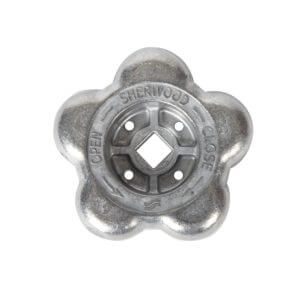
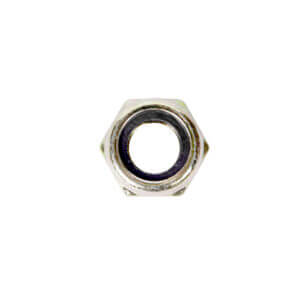
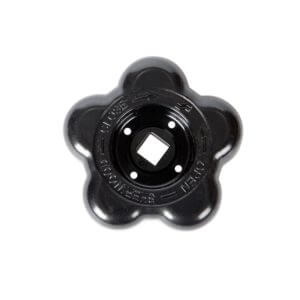
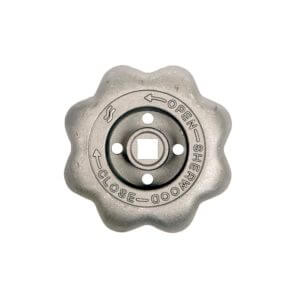
Commercial soda components and parts are critical to maintaining consistent, reliable beverage dispensing performance in restaurants, convenience stores, and foodservice operations. This category includes soda system fittings, connectors, valves, regulators, tubing, and replacement hardware designed for professional-grade carbonation and syrup delivery systems.
Explore Further (click to learn more):
Built for compatibility with CO2-driven soda dispensing systems, these components support proper pressure control, leak prevention, and consistent flow rates across fountain equipment and back-of-house setups. Whether you are replacing worn parts or configuring a new commercial soda system, selecting the right components helps ensure uptime, product quality, and compliance with foodservice standards.
Add to quote to select, and choose quantity on the quote form to streamline your procurement process. Our catalog is structured for distributors, service technicians, and beverage operators who require dependable parts for ongoing maintenance and system optimization.
From quick-connect fittings to pressure regulators and beverage tubing, these commercial soda parts are designed to integrate seamlessly into existing systems and support long-term operational efficiency.
FREQUENTLY ASKED QUESTIONS
What are commercial soda components and parts used for in beverage systems?
Commercial soda components and parts are used to control, connect, and maintain soda dispensing systems in foodservice environments.
These parts include fittings, regulators, valves, and tubing that manage CO2 pressure and syrup flow within a soda system. Each component plays a role in ensuring carbonation levels remain consistent and beverages dispense correctly.
In restaurants, convenience stores, and cafeterias, these components support daily operations by preventing leaks, maintaining pressure balance, and enabling reliable drink output across high-volume service periods.
Which parts are essential for a commercial soda dispensing system?
The essential parts of a commercial soda dispensing system include CO2 regulators, tubing, connectors, valves, and dispensing hardware.
CO2 regulators control gas pressure, while tubing and connectors transport carbonated water and syrup throughout the system. Valves and fittings ensure secure connections and proper flow direction.
Operators typically select components based on system configuration, ensuring compatibility with fountain machines, backroom setups, and existing beverage lines.
How do I choose the right commercial soda parts for my system?
You choose the right commercial soda parts by matching specifications such as pressure rating, connection type, and system compatibility.
Most beverage systems operate within defined CO2 pressure ranges, so regulators and fittings must align with those requirements. Connection types such as barbed, flare, or quick-connect must also match existing equipment.
For distributors and service technicians, verifying compatibility with manufacturer standards and existing layouts helps avoid installation issues and downtime.
Are commercial soda system components compatible across different brands?
Many commercial soda system components are cross-compatible, but compatibility depends on connection standards and system design.
Industry-standard fittings and tubing sizes allow for flexibility across multiple equipment brands. However, certain proprietary systems may require specific connectors or adapters.
Before purchasing, operators should confirm specifications to ensure proper fit and avoid leaks or performance issues.
What causes soda dispensing system failures or performance issues?
Soda dispensing system failures are commonly caused by worn components, pressure imbalances, or improper connections.
Over time, seals, O-rings, and tubing can degrade, leading to leaks or inconsistent carbonation. Incorrect regulator settings can also affect beverage quality and flow rate.
Routine inspection and timely replacement of components help maintain system performance and reduce service interruptions.
How often should commercial soda components be replaced?
Commercial soda components should be replaced based on usage frequency, wear, and manufacturer recommendations.
High-use environments may require more frequent replacement of tubing, seals, and connectors due to constant pressure and fluid exposure. Preventive maintenance schedules are common in foodservice operations.
Replacing parts proactively helps maintain beverage quality, reduce downtime, and extend the life of the overall system.
What is the role of a CO2 regulator in a soda system?
A CO2 regulator controls and stabilizes the gas pressure used to carbonate and dispense beverages.
It ensures that CO2 is delivered at the correct pressure for consistent carbonation and flow. Without proper regulation, drinks may be over- or under-carbonated.
For beverage operators, selecting the correct regulator is critical to maintaining product consistency and system safety.
Can I upgrade or retrofit my existing soda system with new components?
Yes, most commercial soda systems can be upgraded or retrofitted with compatible components.
Standardized fittings and modular system designs allow operators to replace or enhance specific parts without rebuilding the entire system. This includes upgrading regulators, tubing, or connectors.
Retrofitting is commonly used to improve efficiency, resolve recurring issues, or adapt systems to new beverage offerings.
What industries typically use commercial soda components and parts?
Commercial soda components and parts are used in restaurants, convenience stores, bars, and institutional foodservice operations.
These environments rely on consistent beverage dispensing systems to serve carbonated drinks at scale. Components are also used by service technicians and distributors supporting these businesses.
The demand for reliable soda system parts is driven by high-volume usage and the need for consistent beverage quality.
Why is proper maintenance important for commercial soda systems?
Proper maintenance is important because it ensures consistent beverage quality, system reliability, and operational uptime.
Regular inspection and replacement of components prevent leaks, pressure issues, and contamination risks. Well-maintained systems deliver consistent carbonation and flow rates.
For operators, maintenance reduces service calls, extends equipment life, and supports compliance with foodservice standards.


