Hydrogen Valves
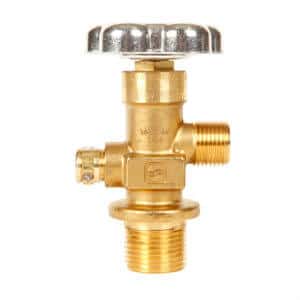
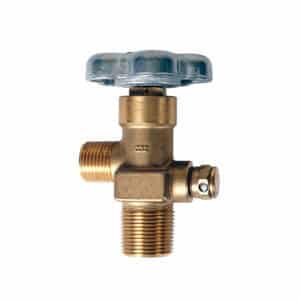
Hydrogen valves are specialized cylinder valves engineered for the safe storage, transport, and controlled release of high-pressure hydrogen gas in industrial, energy, and specialty gas applications. Because hydrogen molecules are extremely small and highly diffusive, valves used in hydrogen service must be designed with precise sealing surfaces, compatible materials, and reliable pressure management to prevent leakage and ensure safe operation.
Explore Further (click to learn more):
At All Safe Global, this category includes hydrogen cylinder valves designed for compressed gas distributors, hydrogen fueling infrastructure, specialty gas suppliers, research labs, and industrial operations that require dependable gas control components. These valves are built for use with high-pressure hydrogen cylinders, helping maintain safe flow control, system integrity, and regulatory compliance in demanding environments.
You can review available valve models and specifications below. Add to quote to select, and choose the quantity on the quote form. This allows distributors, engineers, and purchasing teams to quickly request pricing or availability for the hydrogen valve configurations that match their cylinder or system requirements.
Whether you are sourcing components for hydrogen gas distribution, energy applications, or specialty gas systems, these valves are designed to deliver reliable sealing, safe operation, and long service life in professional compressed-gas environments.

FREQUENTLY ASKED QUESTIONS
What is a hydrogen cylinder valve used for?
Hydrogen cylinder valves are used to safely control the storage and release of high-pressure hydrogen gas from compressed gas cylinders.
Hydrogen gas is stored at very high pressures, often thousands of PSI, which requires valves specifically designed for precise flow control and leak-resistant sealing. A hydrogen valve regulates when gas is released from the cylinder and ensures it can be safely connected to regulators, piping systems, or downstream equipment.
These valves are commonly used by industrial gas distributors, hydrogen fueling operators, specialty gas suppliers, and research facilities where hydrogen cylinders are part of production, testing, or energy systems.
Why do hydrogen cylinders require specialized valves?
Hydrogen cylinders require specialized valves because hydrogen molecules are extremely small and can escape through materials or seals that work for other gases.
Hydrogen’s molecular size and high diffusion rate make leak prevention and material compatibility critical when designing valves for hydrogen service. Standard valves designed for other gases may not provide the same level of sealing reliability.
Hydrogen valves therefore use specific materials, precision machining, and compatible sealing components that reduce the risk of leakage and maintain safe cylinder operation in industrial and energy applications.
Are hydrogen valves different from standard compressed gas cylinder valves?
Yes, hydrogen valves are engineered specifically to handle the unique physical properties and safety requirements of hydrogen gas.
While many compressed gas cylinders use similar valve architectures, hydrogen valves must address issues such as hydrogen embrittlement, gas permeability, and high-pressure containment. These factors require careful selection of metals, seals, and thread designs.
For distributors and equipment manufacturers, selecting a valve designed for hydrogen service helps ensure safe gas containment, regulatory compliance, and long-term reliability in hydrogen handling systems.
What industries commonly use hydrogen cylinder valves?
Hydrogen cylinder valves are widely used in industrial gas distribution, hydrogen energy systems, research laboratories, and specialty gas supply chains.
As hydrogen adoption grows in clean energy, fuel cell development, semiconductor manufacturing, and laboratory research, the need for reliable hydrogen storage and delivery equipment continues to increase. Cylinder valves play a central role in these systems.
Gas distributors, energy infrastructure operators, and research facilities rely on hydrogen valves to maintain safe cylinder handling, consistent gas delivery, and system compatibility.
What pressure levels are hydrogen cylinder valves designed to handle?
Hydrogen cylinder valves are designed to operate safely with the high pressures typically used in compressed hydrogen storage cylinders.
Many hydrogen cylinders store gas at high service pressures, which means the valve must maintain reliable sealing, structural integrity, and controlled gas release under demanding conditions.
Professional-grade hydrogen valves are manufactured and tested to handle these pressures while maintaining consistent performance and leak resistance throughout the cylinder’s service life.
How do hydrogen valves help improve safety in compressed gas systems?
Hydrogen valves improve safety by providing controlled gas release, secure sealing, and reliable connections between cylinders and downstream equipment.
Because hydrogen is highly flammable, safe cylinder operation depends on precise flow control and leak prevention. The valve acts as the primary interface between the cylinder and the rest of the gas system.
In professional gas handling environments, properly specified hydrogen valves help operators maintain safe handling procedures, stable system pressure, and dependable gas delivery.
Who typically purchases hydrogen cylinder valves?
Hydrogen cylinder valves are typically purchased by compressed gas distributors, industrial gas suppliers, equipment manufacturers, and hydrogen infrastructure operators.
These buyers often manage large cylinder fleets or gas distribution systems, where valve reliability directly affects safety, uptime, and maintenance costs. Procurement teams therefore prioritize valves that meet industry standards and fit existing cylinder configurations.
Wholesale suppliers like All Safe Global provide hydrogen valves as part of a broader ecosystem of cylinder components, regulators, and compressed gas hardware used by professional gas handling operations.
Can hydrogen valves be used with regulators and gas distribution systems?
Yes, hydrogen valves are designed to connect safely to regulators and other downstream gas distribution equipment.
The valve provides the interface between the compressed hydrogen cylinder and the pressure regulation system, allowing operators to attach regulators, manifolds, or piping assemblies.
This connection enables hydrogen to be delivered at controlled pressures suitable for industrial equipment, laboratory instruments, or energy systems.
What should buyers consider when selecting a hydrogen cylinder valve?
Buyers should evaluate pressure rating, thread configuration, material compatibility, and intended hydrogen service application.
Different cylinders and gas systems may require specific inlet threads, outlet connections, and sealing materials to ensure compatibility with regulators and distribution equipment.
Industrial buyers typically review specifications carefully to ensure the valve meets hydrogen service requirements, operational pressure limits, and cylinder compatibility.
How do distributors typically source hydrogen cylinder valves?
Most distributors source hydrogen cylinder valves through specialized compressed-gas equipment wholesalers that supply valves, regulators, and cylinder components.
Wholesale suppliers provide access to multiple valve configurations, replacement components, and compatible hardware needed for maintaining cylinder fleets or building new gas systems.
For purchasing teams and distributors reviewing options on this page, you can add products to your quote request and specify quantities directly in the quote form, making it easier to request pricing and availability for hydrogen valve models that match your operational needs.


