Oxygenation
Brewing oxygenation equipment is essential for achieving consistent fermentation, healthy yeast activity, and predictable flavor profiles in beer, cold brew coffee, and other fermented beverages. This category includes wort oxygenation systems, aeration stones, inline oxygenation kits, regulators, and tubing assemblies designed for both homebrewers and commercial beverage producers.
Explore Further (click to learn more):
Proper oxygenation ensures that yeast can reproduce efficiently during the early stages of fermentation, reducing lag time and improving attenuation. Whether you are operating a craft brewery, pilot system, or scaling a cold brew or nitro coffee program, selecting the right oxygenation setup directly impacts product quality and repeatability.
All equipment in this category is built for reliable gas delivery, controlled flow rates, and compatibility with compressed oxygen or air systems, supporting professional brewing environments where consistency matters.
Add to quote to select, and choose quantity on the quote form to configure your system based on batch size, application, and operational requirements.
FREQUENTLY ASKED QUESTIONS
What does oxygenation equipment do in brewing?
Oxygenation equipment introduces controlled oxygen into wort to support healthy yeast fermentation.
During the early fermentation stage, yeast requires oxygen to reproduce and build strong cell walls. Without proper oxygenation, fermentation can stall or produce off-flavors.
Professional oxygenation systems, such as diffusion stones and inline oxygenation kits—ensure consistent oxygen levels across batches, which is critical for breweries, beverage manufacturers, and serious homebrewers.
Why is oxygenation important for yeast health in brewing?
Oxygenation is critical because yeast needs oxygen to reproduce efficiently before fermentation begins.
Inadequate oxygen levels can lead to weak yeast populations, longer lag times, and inconsistent fermentation results. This directly impacts flavor, alcohol content, and product stability.
Using calibrated oxygenation equipment allows operators to deliver precise oxygen volumes, ensuring repeatable performance in both small-scale and commercial brewing systems.
What types of brewing oxygenation equipment are available?
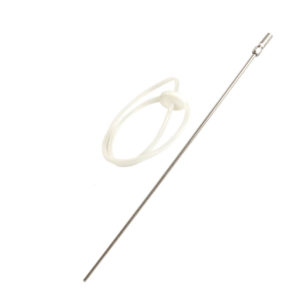
Brewing oxygenation equipment includes aeration stones, inline oxygenation systems, air pumps, oxygen regulators, and tubing assemblies.
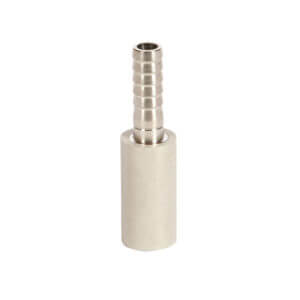
Each type serves a different operational need, from basic aeration for homebrewing to fully integrated inline systems for commercial production. Diffusion stones provide fine bubbles for efficient oxygen transfer.
For higher-volume operations, inline oxygenation systems paired with regulators allow precise control over dissolved oxygen levels during wort transfer.
How do you oxygenate wort properly?
Wort is properly oxygenated by introducing controlled oxygen through a diffusion stone or inline system before yeast is pitched.
The goal is to achieve optimal dissolved oxygen levels without over-oxygenating, which can negatively affect flavor stability. Timing is critical, oxygenation should occur immediately before fermentation begins.
Using professional-grade equipment ensures consistent bubble size, flow rate, and distribution, which improves oxygen absorption efficiency.
What is the difference between aeration and oxygenation in brewing?
Aeration uses air to introduce oxygen, while oxygenation uses pure oxygen for higher efficiency and control.
Air-based systems are typically used in smaller or entry-level setups, but they provide lower oxygen concentration and less control. Pure oxygen systems deliver higher dissolved oxygen levels more quickly.
For commercial or high-quality production, oxygenation systems with regulators and diffusion stones are preferred for accuracy and repeatability.
Can you over-oxygenate wort?
Yes, over-oxygenating wort can lead to off-flavors and reduced product stability.
Excess oxygen beyond the yeast growth phase can contribute to oxidation, which negatively affects taste and shelf life. This is especially critical in professional brewing and beverage production.
Using regulated oxygenation equipment helps control flow rates and exposure time, reducing the risk of over-oxygenation.
What size oxygenation system do I need for my brewery?
The size of the oxygenation system depends on batch volume, flow rate, and production scale.
Small batch or homebrew setups may use simple aeration stones or air pumps, while larger systems require inline oxygenation with regulated oxygen supply.
Commercial operations should select systems that match throughput requirements and allow precise oxygen control across multiple batches.
What gas is used for brewing oxygenation?
Brewing oxygenation typically uses either ambient air or compressed oxygen gas.
Compressed oxygen is preferred in professional settings because it provides higher concentration and faster absorption into wort. This leads to more consistent fermentation performance.
Equipment such as oxygen regulators and flow meters ensures safe and accurate gas delivery.
Is oxygenation equipment necessary for homebrewing?
Oxygenation equipment is not strictly required for homebrewing but significantly improves fermentation consistency and quality.
Many homebrewers rely on shaking or splashing methods, which provide inconsistent oxygen levels. Dedicated aeration or oxygenation tools offer better control and repeatability.
For those aiming to improve results or scale production, investing in proper equipment is a practical upgrade.
How do I choose the right brewing oxygenation equipment?
The right brewing oxygenation equipment depends on your process, batch size, and required level of control.
Key considerations include gas type (air vs. oxygen), system integration (inline vs. standalone), and compatibility with existing brewing equipment.
Professionals typically prioritize systems that deliver consistent flow rates, durable materials, and compatibility with compressed gas setups, ensuring reliable performance over time.


