Beverage Faucets + Handles
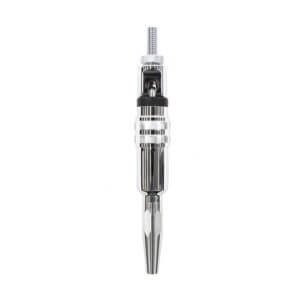
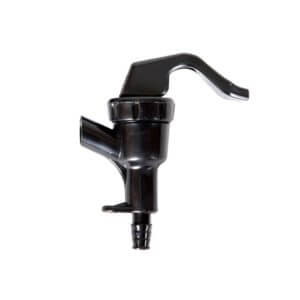
Beverage faucets and handles are critical components in any professional draft system, directly impacting pour consistency, flow control, and overall beverage quality. This category includes beer faucets, draft tap handles, kegerator faucets, and commercial dispensing components designed for use in craft beer systems, nitro coffee setups, soda dispensing, and on-premise beverage service environments.
Explore Further (click to learn more):
Engineered for durability, sanitation, and smooth operation, these faucet assemblies deliver reliable performance in high-volume applications such as breweries, coffee programs, foodservice operations, and beverage distribution. Options may include stainless steel faucets, forward-sealing designs, and interchangeable tap handles, allowing operators to align with brand presentation and system requirements.
All Safe Global specializes in pallet quantities, large-volume purchases, and quantity discounts for beverage faucets and handles. We support wholesale buyers, distributors, and OEM beverage system integrators seeking consistent supply and technical reliability. While we welcome bulk and project-based inquiries, single-item purchases and retail orders are not supported.
This category is built for professionals who require scalable supply, system compatibility, and dependable dispensing performance.
FREQUENTLY ASKED QUESTIONS
What types of beverage faucets are used in commercial draft systems?
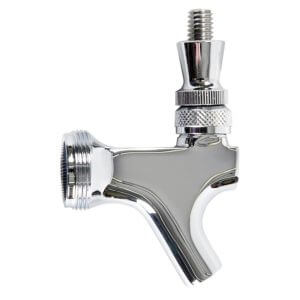
Commercial draft systems typically use standard beer faucets, forward-sealing faucets, and specialty faucets for nitro or stout dispensing.
Forward-sealing faucets are widely used in professional environments because they reduce internal buildup and minimize sticking, which is critical in high-use settings. Standard rear-sealing faucets remain common in legacy systems but require more frequent cleaning.
Specialty faucets, such as stout or nitro faucets, are designed to restrict flow and create the cascading effect required for nitrogen-infused beverages like cold brew coffee or stout beer.
Are beverage faucets and handles interchangeable across different systems?
Most beverage faucets and tap handles are interchangeable when they follow standard threading and shank compatibility.
Standard U.S. draft systems typically use 3/8″-16 UNC threads for tap handles, allowing operators to swap handles without replacing the faucet. Faucet-to-shank connections are also standardized in most commercial systems.
However, compatibility should always be verified for specialty systems or imported equipment, especially when integrating nitro or proprietary dispensing setups.
What materials are best for beverage faucets in high-volume environments?
Stainless steel is the preferred material for beverage faucets in high-volume and sanitary applications.
Stainless steel resists corrosion, reduces flavor carryover, and supports strict cleaning protocols required in beverage service. It is especially important for acidic products like beer, coffee, and kombucha.
Brass faucets may be used in some systems, but they typically require plating and more maintenance to meet sanitation standards over time.
Why are forward-sealing faucets recommended for draft systems?
Forward-sealing faucets are recommended because they reduce contamination and prevent sticking during idle periods.
Unlike rear-sealing designs, forward-sealing faucets keep beer or coffee out of the internal mechanism, limiting residue buildup. This results in more consistent pours and less maintenance.
For operators managing multiple taps or high daily throughput, this design improves uptime and reduces cleaning frequency.
What is the difference between a standard beer faucet and a nitro faucet?
A nitro faucet restricts flow and introduces turbulence to create a cascading, creamy pour, while a standard faucet delivers a direct flow.
Nitro faucets include a restrictor plate that forces the beverage through small openings, producing the characteristic foam and texture required for nitrogen-infused drinks.
Standard faucets do not include this feature and are designed for CO2-driven beverages, making them unsuitable for true nitro dispensing.
Who typically purchases beverage faucets and handles in bulk?
Beverage faucets and handles are typically purchased in bulk by distributors, breweries, coffee brands, and equipment integrators.
These buyers require consistent specifications, reliable supply chains, and compatibility across multiple installations. Bulk purchasing also supports new system builds, retrofits, and ongoing maintenance programs.
Wholesale sourcing ensures cost efficiency and standardization across locations or customer deployments.
How do I choose the right faucet for my beverage application?
The right faucet depends on the beverage type, gas system, and desired pour characteristics.
CO2-based systems for beer or soda typically use standard or forward-sealing faucets, while nitrogen systems require stout or nitro faucets. Flow rate, foam control, and hygiene requirements should also be considered.
Operators should match faucet specifications to system pressure, beverage viscosity, and service volume to ensure optimal performance.
Do beverage faucets require regular maintenance or cleaning?
Yes, beverage faucets require routine cleaning to maintain sanitation and consistent performance.
Residue buildup from beer, coffee, or syrup can impact flavor and restrict flow if not properly managed. Cleaning schedules vary based on usage but are typically performed weekly or biweekly in commercial environments.
Forward-sealing designs can reduce cleaning frequency, but regular maintenance is still required to meet industry standards.
What role do tap handles play in beverage dispensing systems?
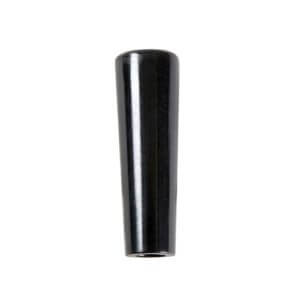
Tap handles provide operational control and branding visibility in beverage dispensing systems.
Functionally, they allow users to open and close the faucet, but they also serve as a key branding element in retail and hospitality environments. Custom handles help identify beverage types and enhance presentation.
Standardized threading allows operators to change handles without modifying the faucet hardware.
Can beverage faucets impact pour quality and waste?
Yes, the design and condition of a beverage faucet directly affect pour quality, foam control, and product waste.
Improper flow restriction, worn seals, or contamination can lead to excessive foaming or inconsistent pours. This increases product loss and impacts customer experience.
Using the correct faucet type and maintaining it properly ensures efficient dispensing, consistent serving quality, and reduced operational waste.


