Equipment to fuel your business success.
A premier line of quality LP / propane and CNG gas cylinders, valves, regulators, and parts.
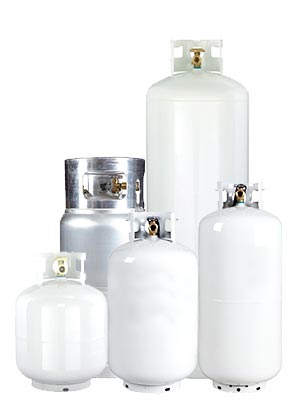
LP Propane and Propylene Cylinders
New and reconditioned 4 to 420 lb. low-pressure gas cylinders for fuel and cutting fuel delivery. Ideal for commercial and industrial use as well as recreational and domestic applications.
- Transport Ready: All cylinders meet DOT standards for transportation, and most also meet TC specifications
- Made Tough: Tanks are shot-blasted and powder-coated for strength and corrosion protection
- Tested Safe: All cylinders undergo and pass rigorous strength and integrity tests, and meet or exceed all industry quality and safety requirements
- Made in modern, technologically advanced facilities
- Capacity gauges are available on cylinders in 20 to 420 lb. sizes
- Horizontal propane cylinders are also available
We also provide a full range of cylinder testing and reconditioning services.
LPG/Propane and Cutting Fuel/Propylene Valves
- Complete Selection: service, multi-purpose, OPD, relief, liquid withdrawal, and more
- Highest Quality: All Safe Global is a distributor of the name leaders in compressed gas valving
- Best Pricing: as a high-volume distributor, we deliver the most value in the industry
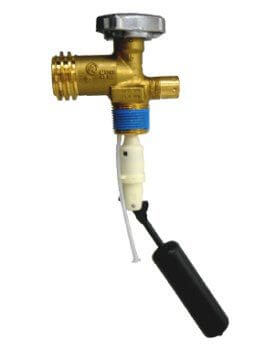
Parts and Accessories
Plugs, labels, O-rings, adapters, bolts, bonnets … the list goes on and on. No matter what you need to keep propane/LPG/propylene system running, All Safe Global is your expert source.



FREQUENTLY ASKED QUESTIONS
What should propane distributors consider when purchasing LP propane cylinders in bulk?
Propane distributors should evaluate cylinder specifications, regulatory approvals, valve configuration, and lifecycle cost when purchasing LP propane cylinders in bulk.
For distributors operating cylinder exchange programs or retail cylinder fleets, consistency across inventory is critical. Buyers typically review cylinder capacity, material construction (steel or aluminum), valve type, and whether the cylinders meet applicable DOT or transport requirements for refillable LP gas service.
Operational considerations also influence purchasing decisions. Distributors often compare new versus reconditioned cylinders, evaluate supply reliability, and ensure compatibility with their filling, inspection, and refurbishment processes to maintain a consistent and serviceable cylinder fleet.
What is the difference between propane cylinders and propylene cylinders for gas distributors?
Propane cylinders are designed for LP gas service, while propylene cylinders are built specifically for propylene applications and require compatible valves and service configurations.
Although the containers may appear similar, propane and propylene are used in different industrial processes and require different cylinder and valve specifications. Propylene is commonly used in cutting, brazing, and heating applications where higher flame temperatures are beneficial.
Gas distributors and welding suppliers must ensure that cylinders, valves, and regulators match the intended gas service. Selecting the correct cylinder type prevents compatibility issues and helps maintain safe handling and operational reliability.
What valve configurations are commonly used on LP propane cylinders?
Common LP propane cylinder valves include OPD valves, service valves, and application-specific valves designed for particular cylinder types and withdrawal methods.
Valve configuration determines how gas is withdrawn, how cylinders are filled, and how equipment connects to the cylinder. For example, OPD valves are widely used on consumer and exchange cylinders, while other valve designs may be used for forklift cylinders or specialty service.
Distributors and service companies typically verify valve thread type, relief settings, and compatibility with existing cylinder inventory before ordering replacements or new cylinders to ensure consistent performance across their fleet.
When should propane distributors replace cylinder valves?
Propane distributors should replace cylinder valves when inspections reveal damage, wear, leakage, or when the valve no longer meets operational or regulatory requirements.
Valves experience mechanical stress through repeated filling, handling, and transport cycles. Over time, threads, seals, and internal components may degrade or become unreliable during service.
Routine inspection programs typically identify valves that require replacement during cylinder maintenance, refurbishment, or requalification cycles. Replacing worn valves helps distributors maintain safe filling operations and extend the service life of their cylinder inventory.
How do propane tank gauges support propane distributors and service technicians?
Propane tank gauges allow distributors and technicians to monitor fuel levels and tank status so they can plan deliveries, maintenance, and refilling schedules.
For stationary tanks and installed propane systems, gauges provide visibility into remaining product levels. This information helps propane companies schedule deliveries more efficiently and avoid unexpected supply interruptions.
Service technicians also rely on gauges when diagnosing system issues or verifying tank performance during inspections. Properly matched gauges help ensure accurate readings and dependable monitoring across commercial propane installations.
What components are typically included in LP propane and CNG parts and accessories?
LP propane and CNG parts and accessories typically include replacement hardware, fittings, repair components, and supporting equipment used to maintain cylinder and tank systems.
These components may include adapters, plugs, caps, dip tubes, seals, repair kits, and other hardware required during service, refurbishment, or installation work. Service companies and gas distributors often maintain inventory of these parts to support field maintenance and cylinder repair operations.
Having compatible replacement parts available allows technicians to address issues quickly and keep cylinders and tanks in service without extended downtime.
Why do propane distributors and service companies purchase wholesale propane cylinders?
Propane distributors and service companies purchase wholesale propane cylinders to maintain consistent fleet inventory and support high-volume refill or exchange operations.
Large propane operations often require hundreds or thousands of cylinders to support retail exchange programs, commercial customers, or equipment fleets. Wholesale purchasing helps standardize specifications across inventory and simplify maintenance procedures.
It also supports predictable procurement cycles. Distributors can maintain consistent cylinder availability while planning refurbishment, replacement, and expansion of their cylinder fleets.
How do service companies determine whether to purchase new or reconditioned propane cylinders?
Service companies evaluate cost, cylinder condition, operational requirements, and refurbishment capabilities when deciding between new and reconditioned propane cylinders.
New cylinders may be preferred when companies want uniform inventory or when expanding cylinder fleets. Reconditioned cylinders can provide a cost-effective option for maintaining inventory when the cylinders have been properly inspected and refurbished.
For many propane companies, both options play a role in fleet management. Reconditioned cylinders can extend asset life, while new cylinders help maintain long-term inventory consistency.
What industries commonly purchase LP propane cylinders and related equipment?
LP propane cylinders and related components are commonly purchased by propane distributors, industrial gas suppliers, equipment dealers, and service companies.
These buyers rely on propane cylinders for applications such as fuel distribution, industrial heating, equipment operation, transportation fuel systems, and commercial installations. Many organizations also maintain large cylinder fleets that require regular inspection, repair, and component replacement.
Because of these operational needs, buyers typically source cylinders, valves, gauges, and parts from suppliers that specialize in propane equipment and wholesale cylinder distribution.
Why is component compatibility important when sourcing propane cylinder valves, gauges, and parts?
Component compatibility is essential because propane cylinders, valves, gauges, and accessories must match the specifications of the cylinder and the intended gas service.
Incorrect component selection can create operational issues such as improper connections, inaccurate readings, or inefficient system performance. For distributors and technicians managing large inventories of cylinders and tanks, consistency across components simplifies maintenance and inspection.
Professional buyers typically verify thread standards, pressure ratings, service type, and equipment compatibility before purchasing replacement parts to ensure reliable operation across their propane systems.