Growlers
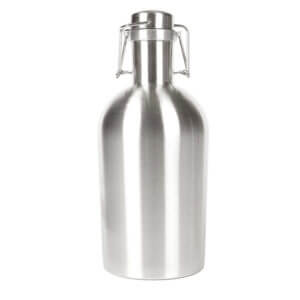
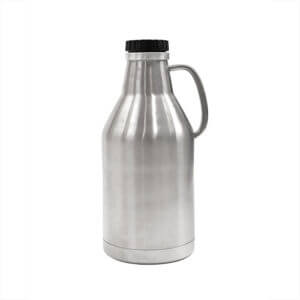
Beverage growlers are a reliable solution for portable draft dispensing, storage, and transport of beer, cold brew coffee, kombucha, and other craft beverages. Designed for pressure retention and product freshness, these growlers support both CO₂ and nitrogen applications, making them suitable for breweries, coffee roasters, and beverage distributors operating in professional environments.
Explore Further (click to learn more):
This category includes stainless steel growlers, pressurized growler systems, and dispensing-ready vessels compatible with standard regulators, fittings, and draft components. Many options are built for on-the-go service, taproom overflow, mobile events, and small-batch distribution, where maintaining carbonation and flavor stability is critical.
Add to quote to select, and choose quantity on the quote form to configure your order based on capacity, pressure rating, and connection type. Whether you are scaling production or supporting retail and on-premise service, these growlers are designed for durability, compliance, and repeatable performance in demanding beverage applications.
FREQUENTLY ASKED QUESTIONS
What is a beverage growler used for in commercial applications?
A beverage growler is used to store, transport, and dispense draft beverages while maintaining carbonation and freshness.
In commercial settings, growlers are commonly used by breweries, coffee companies, and beverage distributors to extend draft service beyond fixed tap systems. They allow operators to package product for takeaway, events, or mobile dispensing without sacrificing quality.
Pressurized growlers, in particular, are designed to hold CO₂ or nitrogen, which helps maintain proper carbonation levels or create a nitro-style cascade for cold brew coffee. This makes them suitable for both carbonated and non-carbonated beverage programs.
What types of beverages can be stored in a growler system?
Growlers can store beer, cold brew coffee, kombucha, cocktails, and other draft beverages.
The versatility of growlers comes from their compatibility with different gas types and dispensing setups. CO₂ is typically used for beer and soda, while nitrogen is used for nitro coffee and certain cocktail applications.
For operators managing multiple beverage lines, selecting the correct growler configuration ensures product integrity and consistent serving quality across different beverage categories.
Are pressurized growlers better than standard growlers?
Yes, pressurized growlers are better for maintaining carbonation and extending product shelf life.
Standard growlers are typically non-pressurized and rely on immediate consumption, which limits their use in professional environments. Pressurized systems, on the other hand, allow for controlled dispensing and reduced oxygen exposure.
This is especially important for breweries and coffee brands that need to preserve flavor profiles, carbonation levels, and visual presentation over time.
What size growler should I choose for my operation?
The best growler size depends on your volume requirements, dispensing frequency, and application.
Common sizes range from smaller portable units for retail takeaway to larger vessels used in events or back-of-house operations. Smaller growlers are easier to transport and ideal for direct-to-consumer use.
Larger growlers or mini-keg formats are better suited for commercial environments where higher throughput and fewer refills are required.
Can growlers be used with CO2 and nitrogen systems?
Yes, many growlers are designed to work with both CO₂ and nitrogen dispensing systems.
The type of gas used depends on the beverage being served and the desired mouthfeel or carbonation level. CO₂ is used for carbonated beverages, while nitrogen creates a smoother, creamier texture.
Operators should ensure compatibility with regulators, valves, and fittings to maintain safe and efficient dispensing performance.
Are stainless steel growlers better than glass growlers?
Yes, stainless steel growlers are more durable, pressure-capable, and suitable for commercial use.
Glass growlers are typically limited to non-pressurized storage and are more prone to breakage, making them less practical in professional environments. Stainless steel options provide better insulation and structural integrity.
They are also more compatible with pressurized systems, which is essential for maintaining carbonation and enabling controlled dispensing.
How long can beverages stay fresh in a pressurized growler?
Beverages can stay fresh for several days to weeks in a properly sealed and pressurized growler.
The exact duration depends on the beverage type, gas used, and storage conditions. Pressurized systems reduce oxygen exposure, which helps preserve flavor and carbonation.
For commercial operators, this extended shelf life supports more flexible distribution and reduces product waste.
What industries typically use beverage growlers?
Beverage growlers are commonly used in breweries, coffee roasters, bars, restaurants, and beverage distribution.
They are especially valuable in operations that require portable dispensing or takeaway options. Coffee brands use them for nitro cold brew programs, while breweries use them for draft beer distribution.
Their flexibility makes them a practical tool across multiple segments of the beverage industry.
What features should I look for in a commercial growler system?
Key features include pressure capability, material durability, gas compatibility, and dispensing components.
Commercial users should prioritize stainless steel construction, secure sealing mechanisms, and compatibility with CO₂ or nitrogen systems. These features ensure consistent performance and product quality.
Additional considerations include ease of cleaning, portability, and integration with existing draft equipment.
How do I order beverage growlers for my business?
You can order beverage growlers by selecting products and submitting a quote request with your required quantities.
Most B2B platforms, including this category page, operate on a quote-based model to accommodate different configurations and order sizes. This allows for customization based on operational needs.
Add to quote to select, and choose quantity on the quote form, ensuring your order aligns with your specific application, volume requirements, and system compatibility.