Keg Pumps
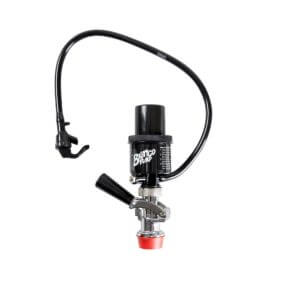
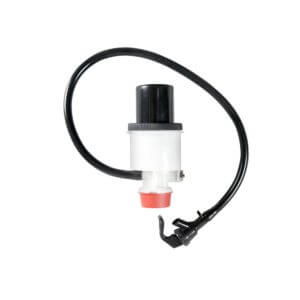
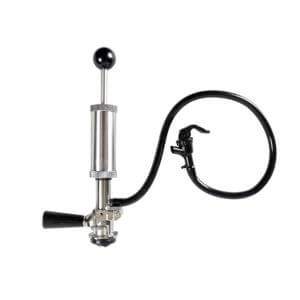
Keg pumps are essential components in beverage dispensing systems, enabling reliable, pressurized flow from kegs to taps in commercial and industrial environments. This category includes manual keg pumps, party pumps, and commercial keg dispensing pumps designed for use with Sankey kegs, draft beer systems, and on-premise beverage service setups.
Explore Further (click to learn more):
Built for bars, breweries, restaurants, event operators, and beverage distributors, these keg pumps support consistent pour performance while maintaining product integrity. Options vary by pump type, coupler compatibility, pressure control, and material construction, allowing you to match the right solution to your specific draft system requirements.
Whether you are setting up a temporary dispensing solution or maintaining a high-volume draft system, selecting the correct keg pump helps ensure operational efficiency and proper carbonation handling.
Add to quote to select, and choose quantity on the quote form to request pricing or configure your order based on your system needs.
FREQUENTLY ASKED QUESTIONS
What is a keg pump used for in a beverage dispensing system?
A keg pump is used to pressurize a keg so liquid can be dispensed through a tap.
Keg pumps introduce air or gas pressure into the keg, forcing the beverage up through the spear and out of the faucet. This makes them essential for draft beer service and other keg-based beverages.
In commercial environments, keg pumps are selected based on compatibility with couplers, required flow rate, and whether maintaining carbonation is critical for the application.
What is the difference between a manual keg pump and a CO2 dispensing system?
A manual keg pump uses air pressure, while a CO2 system uses compressed gas to dispense beverages.
Manual pumps are typically used for short-term or event-based dispensing where simplicity is important. However, they introduce oxygen into the keg, which can affect beverage freshness.
CO2 systems are preferred in bars and restaurants because they preserve carbonation and extend product shelf life, making them better suited for ongoing operations.
Are keg pumps compatible with all keg types?
No, keg pumps must match the specific coupler type used by the keg.
Most commercial kegs use standardized couplers such as D-system (Sankey), but variations exist depending on the brewery or beverage type. Selecting the correct coupler ensures a proper seal and safe operation.
For distributors and operators, confirming compatibility with keg specifications is critical to avoid leaks, pressure loss, or equipment damage.
Can keg pumps be used for beverages other than beer?
Yes, keg pumps can be used for beverages like cider, kombucha, and cold brew coffee if properly configured.
The key consideration is ensuring compatibility with the beverage’s carbonation and pressure requirements. Some beverages may require specific materials or seals to maintain quality.
Operators in coffee or specialty beverage markets often pair keg pumps with nitrogen or mixed-gas systems for optimal results.
How long does beer stay fresh when using a manual keg pump?
Beer typically stays fresh for 12–24 hours when dispensed with a manual keg pump.
This is because air introduced into the keg accelerates oxidation, which degrades flavor and carbonation over time. Manual pumps are best suited for single-day events or rapid consumption.
For extended freshness, gas-driven dispensing systems are recommended in professional environments.
What industries commonly use keg pumps?
Keg pumps are commonly used in bars, restaurants, breweries, catering, and event operations.
They are also used by beverage distributors and mobile service providers who need flexible dispensing solutions. Their portability and ease of setup make them ideal for temporary installations.
In B2B settings, keg pumps are selected based on durability, compatibility, and ease of maintenance.
What should you consider when choosing a keg pump?
You should consider coupler type, intended use, pressure requirements, and build quality.
For example, high-volume environments require durable materials and consistent pressure output, while event use may prioritize portability and ease of use.
Understanding your dispensing setup, including keg type and beverage characteristics, ensures proper equipment selection and reliable performance.
Do keg pumps require maintenance or cleaning?
Yes, keg pumps require regular cleaning to maintain hygiene and performance.
Residue buildup in the pump and lines can affect taste and introduce contamination if not properly managed. Cleaning frequency depends on usage volume and beverage type.
Commercial operators typically follow scheduled cleaning protocols to ensure compliance and consistent product quality.
Can keg pumps handle high-volume commercial dispensing?
Some keg pumps are designed for high-volume use, but many manual pumps are better suited for intermittent dispensing.
Commercial-grade pumps feature more durable construction and improved sealing to handle repeated use. However, continuous operations often rely on regulated gas systems for efficiency.
Choosing the right equipment depends on throughput requirements and operational scale.
How do you request pricing or order keg pumps for business use?
You can request pricing by adding products to your quote and submitting the required quantities.
This process allows businesses to configure orders based on specific operational needs, including volume, compatibility, and system setup.
Add to quote to select, and choose quantity on the quote form, ensuring accurate quoting and alignment with your procurement requirements.