Fermenters
Fermenters for Brewing, Cold Brew, and Beverage Production
Our selection of fermenters for brewing and beverage applications is designed for consistent fermentation, product quality, and operational reliability across homebrewing, craft beverage production, and commercial environments. Whether you are producing beer, kombucha, cold brew coffee, or specialty beverages, the right fermentation vessel plays a critical role in temperature control, sanitation, and batch consistency.
Explore Further (click to learn more):
This category includes stainless steel fermenters, pressure-capable vessels, and fermentation tanks compatible with modern brewing systems and gas-assisted processes. Built for durability, cleanability, and repeatable performance, these fermenters support scalable production workflows and integration with CO2 or nitrogen systems where applicable.
Add to quote to select, and choose quantity on the quote form to configure your order based on vessel size, pressure rating, and application requirements. This quote-based model supports distributors, breweries, and beverage operators who require bulk purchasing, specification matching, and reliable supply.
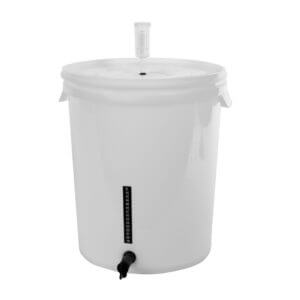

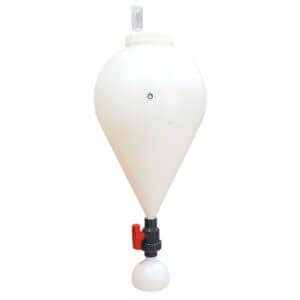

FREQUENTLY ASKED QUESTIONS
What is a fermenter used for in brewing and beverage production?
A fermenter is a vessel used to control and complete the fermentation process by allowing yeast or bacteria to convert sugars into alcohol, gases, or acids.
Fermenters are essential in beer brewing, kombucha production, and cold brew coffee systems where controlled fermentation directly impacts flavor, carbonation, and product stability. The vessel provides a sealed environment that supports temperature management and contamination prevention.
For B2B buyers, selecting the right fermenter ensures consistent batch outcomes and compliance with sanitation standards, especially in commercial or multi-batch operations.
What types of fermenters are best for commercial brewing operations?
Stainless steel fermenters are the preferred choice for commercial brewing due to their durability, sanitation performance, and pressure capability.
Commercial operations require fermenters that support CIP (clean-in-place) processes, pressure fermentation, and repeatable production cycles. Stainless steel construction resists corrosion and allows for precise cleaning and sterilization.
These features are critical for breweries, beverage manufacturers, and coffee producers that need scalable equipment with long service life and regulatory compliance.
What size fermenter should I choose for my brewing setup?
The right fermenter size depends on your batch volume, production frequency, and available space.
Smaller fermenters (e.g., 2.5–5 gallons) are common in homebrewing and pilot systems, while larger vessels support commercial batch production and distribution-scale output. Oversizing slightly can help manage krausen and fermentation expansion.
For distributors and production facilities, selecting standardized sizes improves inventory planning, workflow efficiency, and system compatibility.
Can fermenters be used for cold brew coffee or kombucha production?
Yes, fermenters are commonly used for cold brew coffee and kombucha when controlled environments and sanitary conditions are required.
Cold brew systems may use fermenters for nitrogen infusion preparation or batch storage, while kombucha relies on fermentation vessels for culture development and consistency. Material selection and sealing capability are key considerations.
Operators benefit from using fermenters that support multi-product workflows and easy cleaning between batches.
What features should I look for in a high-quality fermenter?
High-quality fermenters should include durable materials, pressure tolerance, sanitary fittings, and ease of cleaning.
Key features include stainless steel construction, pressure-rated lids, tri-clamp fittings, and integrated valves for sampling or transfer. These components improve operational control and reduce contamination risk.
For professional environments, these features translate to reduced downtime, safer operation, and consistent product output.
Are pressure fermenters necessary for modern brewing systems?
Fermenters should be cleaned using appropriate sanitizing agents and, in commercial setups, often with CIP systems.
Routine cleaning removes yeast residue, biofilm, and contaminants that can impact future batches. Stainless steel fermenters simplify this process due to their smooth, non-porous surfaces.
Consistent maintenance ensures product quality, compliance with health standards, and extended equipment lifespan.
What materials are best for fermenters in beverage applications?
Stainless steel is the industry standard for fermenters due to its strength, corrosion resistance, and sanitary properties.
While plastic fermenters are used in entry-level setups, they are more prone to scratching and contamination. Stainless steel supports higher pressure, longer service life, and better cleaning protocols.
For B2B buyers, material choice directly impacts compliance, durability, and total cost of ownership.
Can fermenters integrate with CO2 or nitrogen systems?
Yes, many fermenters are designed to integrate with CO2 or nitrogen systems for pressurization and product handling.
This integration allows for closed-loop transfers, carbonation, and oxygen control, which are critical in beer, cold brew coffee, and other beverages. Proper fittings and pressure ratings are required.
These capabilities support efficient production workflows and improved product consistency in commercial environments.
Why do breweries and distributors use quote-based purchasing for fermenters?
Quote-based purchasing allows buyers to match specifications, quantities, and logistics requirements before placing an order.
Fermenters vary in size, pressure rating, fittings, and application use, making standardized pricing less practical for many B2B transactions. Quotes ensure alignment with operational needs.
This approach helps distributors and operators secure accurate pricing, bulk discounts, and reliable supply planning.