Homebrew Kegerator Kits
Explore homebrew kegerator kits designed for reliable, controlled draft beverage dispensing in home and small-scale commercial environments. These systems integrate kegs, CO2 or nitrogen regulators, gas cylinders, beverage lines, and dispensing faucets to create a complete draft setup for beer, cold brew coffee, kombucha, and craft beverages.
Explore Further (click to learn more):
Each homebrew kegerator kit is configured for consistent carbonation, pressure control, and clean pour performance, helping you maintain product quality from keg to glass. Whether you are building a new kegerator system or upgrading an existing setup, these kits support ball lock and pin lock kegs, standard fittings, and scalable configurations.
Add to quote to select, and choose quantity on the quote form to configure your system based on keg size, gas type, and dispensing requirements. This quote-based process supports bulk orders, distributor sourcing, and custom configurations, making it easier to align equipment with your operational needs.
Built for reliability, compatibility, and long-term use, these kegerator kits are suited for homebrewers, beverage startups, and professional draft system operators.


FREQUENTLY ASKED QUESTIONS
What is included in a homebrew kegerator kit?
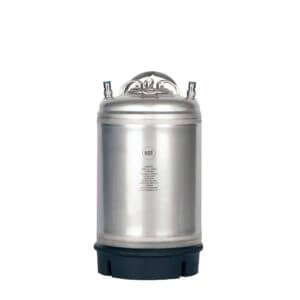
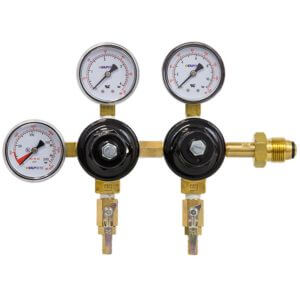
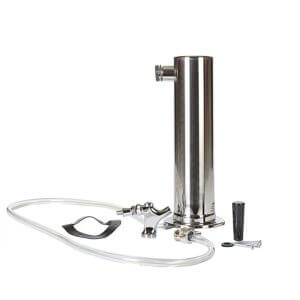
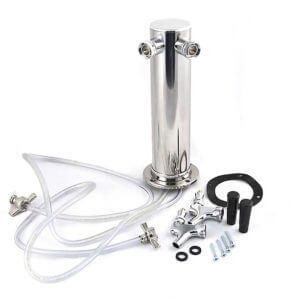
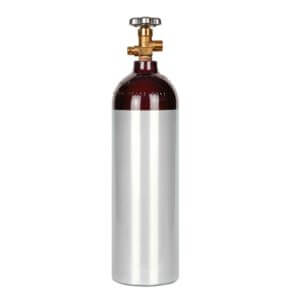
A homebrew kegerator kit typically includes a keg, CO2 or nitrogen cylinder, regulator, gas and beverage lines, and a dispensing faucet.
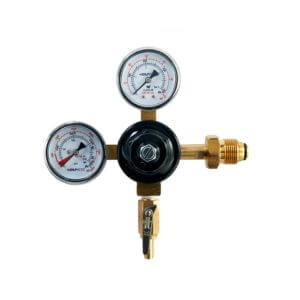
These kits are designed as complete draft systems, ensuring all core components work together for proper pressure control and dispensing. The regulator manages gas flow, while tubing and fittings connect the system from cylinder to keg to faucet.
For homebrewers and beverage operators, this reduces setup complexity and ensures compatibility between components, especially when working with ball lock or pin lock keg systems.
How does a kegerator kit maintain proper carbonation and pressure?
A kegerator kit maintains carbonation and pressure through a calibrated gas regulator connected to a CO2 or nitrogen cylinder.
The regulator controls PSI levels, which directly influence carbonation stability and pour consistency. Proper pressure prevents over-carbonation, flat pours, or excessive foaming.
This is critical for homebrewers and beverage professionals who need repeatable results across batches and consistent serving quality.
What is the difference between CO2 and nitrogen kegerator kits?
CO2 kegerator kits are used for carbonated beverages like beer, while nitrogen kits are used for nitro coffee and smooth, low-carbonation drinks.
CO2 dissolves into the liquid to create carbonation, making it standard for beer and soda systems. Nitrogen, by contrast, creates a creamy texture and cascading effect without adding carbonation.
Choosing the correct gas type depends on the beverage application and desired mouthfeel.
Can I use a homebrew kegerator kit for beverages other than beer?
Yes, homebrew kegerator kits can be used for beer, cold brew coffee, kombucha, cocktails, and other draft beverages.
The flexibility comes from interchangeable kegs, regulators, and gas types, allowing you to adapt the system to different liquids. Nitrogen setups are common for coffee, while CO2 is used for carbonated drinks.
This makes kegerator kits a versatile solution for both home and small commercial beverage programs.
What keg types are compatible with homebrew kegerator kits?
Most homebrew kegerator kits are compatible with ball lock and pin lock kegs.
These keg styles are standard in homebrewing and allow for quick disconnects and easy maintenance. Ball lock kegs are more commonly used today due to wider availability of parts.
Compatibility ensures you can source replacement components and expand your system without major modifications.
Do I need a refrigerator or kegerator unit for these kits?
Yes, a kegerator kit requires a compatible refrigerator or kegerator unit to keep beverages at proper serving temperature.
Temperature control is essential for maintaining carbonation levels and preventing foam issues during dispensing. Most kits are designed to integrate with converted refrigerators or dedicated kegerator units.
Users should confirm internal space, line routing, and tap installation compatibility before setup.
How do I choose the right homebrew kegerator kit size?
You choose the right kegerator kit size based on keg capacity, available space, and expected dispensing volume.
Smaller systems with 2.5 to 5 gallon kegs are ideal for homebrewers, while larger configurations support higher output or multiple beverages. Cylinder size also impacts runtime and refill frequency.
Selecting the right size ensures operational efficiency and reduces the need for frequent gas or keg changes.
Are homebrew kegerator kits easy to install?
Homebrew kegerator kits are designed for straightforward installation with standard fittings and connections.
Most systems use pre-configured tubing, quick disconnects, and threaded regulator connections, allowing users to assemble without specialized tools. Basic knowledge of gas and liquid line routing is typically sufficient.
This ease of installation makes them accessible for both beginners and experienced operators.
Can these kegerator kits be customized for specific applications?
Yes, kegerator kits can be customized based on gas type, regulator configuration, keg size, and dispensing setup.
Customization is often handled through a quote-based process, allowing you to specify components that match your application. This is especially important for beverage businesses or multi-tap systems.
It ensures the system aligns with operational requirements and future scalability.
Who should use homebrew kegerator kits?
Homebrew kegerator kits are ideal for homebrewers, craft beverage startups, coffee shops, and small-scale draft system operators.
These users benefit from controlled dispensing, consistent product quality, and scalable system configurations. The kits support both hobbyist and light commercial use cases.
For distributors and B2B buyers, they also provide a standardized solution that can be deployed across multiple locations or customers.