Homebrew Kegging Kits
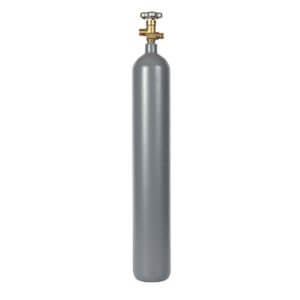
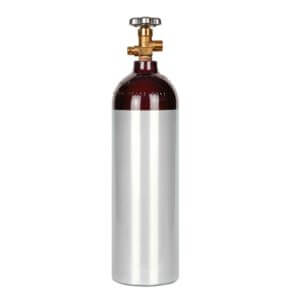
Homebrew kegging kits provide a complete, reliable solution for carbonating, storing, and dispensing beer, cider, cold brew coffee, and other craft beverages in controlled environments. These systems typically include kegs, CO₂ cylinders, regulators, hoses, fittings, and dispensing hardware, giving you everything you need to transition from bottling to a more efficient keg-based workflow. Whether you are a homebrewer, coffee brand, or beverage startup, kegging systems improve consistency, reduce oxygen exposure, and streamline serving.
Explore Further (click to learn more):
Designed for ball lock and pin lock configurations, these kits support a range of applications from small-batch brewing to pilot-scale production. Components are selected for compatibility, pressure control, and long-term durability in beverage environments.
Add to quote to select, and choose quantity on the quote form to configure the right system for your operation. This quoting model supports bulk purchasing, custom configurations, and integration into existing draft or kegging setups.
FREQUENTLY ASKED QUESTIONS
What is included in a homebrew kegging kit?
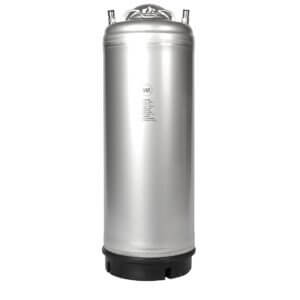
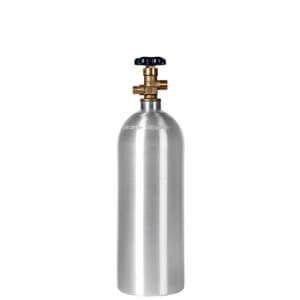
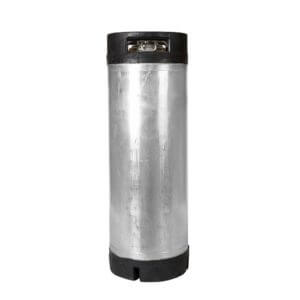
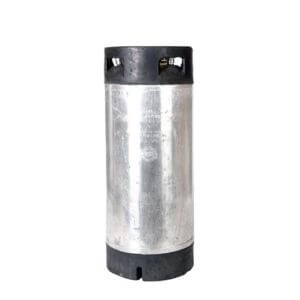
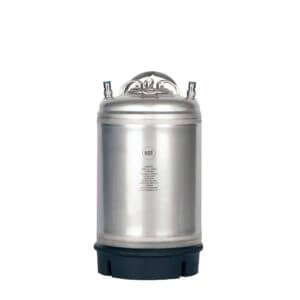
A homebrew kegging kit typically includes a keg, CO₂ cylinder, regulator, tubing, and dispensing connections.
These kits are designed as complete systems, eliminating the need to source individual components separately. Each part is selected to ensure compatibility, proper pressure regulation, and safe operation.
For professional or semi-professional users, this reduces setup time and minimizes the risk of leaks or improper carbonation. It also ensures consistent performance across batches, which is critical for beverage quality control.
How does a kegging system improve beer quality compared to bottling?
A kegging system improves beer quality by reducing oxygen exposure and enabling precise carbonation control.
Unlike bottling, which introduces oxygen during filling, closed keg systems maintain a sealed environment that protects flavor stability. This is especially important for hop-forward beers and sensitive beverages.
Additionally, regulators allow you to dial in exact PSI levels, ensuring consistent carbonation across batches. This level of control is difficult to achieve with traditional bottle conditioning methods.
What size keg is best for homebrew kegging systems?
The best keg size for homebrew kegging systems depends on batch size, with 2.5 to 5-gallon kegs being the most common.
Smaller kegs are ideal for test batches, specialty beverages, or limited storage environments. Larger kegs are better suited for full 5-gallon homebrew batches or small commercial runs.
Choosing the correct size helps optimize storage, serving efficiency, and carbonation consistency. Many operators maintain multiple keg sizes to support different production needs.
Do homebrew kegging kits work for beverages other than beer?
Yes, homebrew kegging kits can be used for beer, cider, cold brew coffee, kombucha, and soda.
These systems are versatile because they rely on controlled gas pressure rather than fermentation alone. This allows carbonation or nitrogen infusion across a wide range of beverages.
For example, nitrogen setups are commonly used for cold brew coffee, while CO₂ is used for beer and soda. This flexibility makes kegging systems valuable for multi-product beverage operations.
What is the difference between ball lock and pin lock kegs?
Ball lock kegs use quick-disconnect fittings, while pin lock kegs use a pin-based connection system to prevent misalignment.
Ball lock systems are more common in modern homebrew and beverage setups due to their ease of use and wider availability of parts. Pin lock systems are often found in reconditioned or legacy equipment.
Understanding this difference is critical when selecting kits and replacement components, as fittings and connectors are not interchangeable between the two systems.
How do CO₂ regulators work in a kegging kit?
CO₂ regulators control the pressure of gas flowing from the cylinder into the keg system.
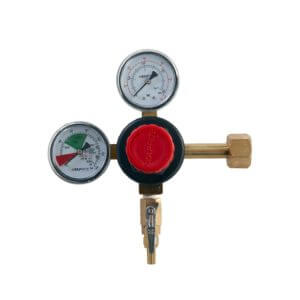
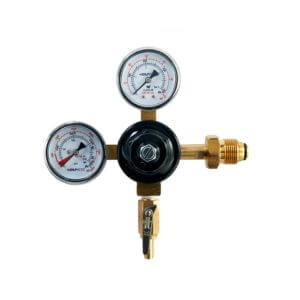
They reduce high-pressure gas from the cylinder to a usable PSI level for carbonation and dispensing. Dual-gauge regulators allow you to monitor both tank pressure and output pressure.
This control ensures consistent carbonation levels and prevents over-pressurization, which can affect beverage quality and system safety.
Can I expand a homebrew kegging system over time?
Yes, most homebrew kegging systems are modular and can be expanded with additional kegs, regulators, and manifolds.
This scalability allows users to start with a basic setup and grow into more complex systems as production increases. Adding manifolds enables multiple kegs to be served from a single gas source.
For B2B or scaling beverage brands, this modularity supports operational growth without requiring a full system replacement.
What type of gas is used in homebrew kegging kits?
Homebrew kegging kits primarily use CO₂ for carbonation, though nitrogen or blended gases may be used for specific applications.
CO₂ is standard for beer, soda, and sparkling beverages because it dissolves efficiently and creates carbonation. Nitrogen is used for beverages like cold brew coffee to create a smooth, cascading texture.
Selecting the correct gas type is essential for achieving the desired mouthfeel and dispensing performance.
Are homebrew kegging kits suitable for small commercial operations?
Yes, homebrew kegging kits are commonly used in pilot systems, small breweries, and beverage startups.
These systems provide a cost-effective way to manage production, testing, and limited distribution without investing in full-scale commercial draft systems.
They are especially useful for recipe development, taproom service, and small-batch production where flexibility and control are required.
How do I choose the right homebrew kegging kit for my setup?
You should choose a homebrew kegging kit based on batch size, beverage type, gas requirements, and available space.
Start by defining your production volume and whether you are working with beer, coffee, or other beverages. Then match the system components, such as keg size and regulator type, to those needs.
For professional buyers, it is also important to consider compatibility with existing equipment and future expansion plans to ensure long-term efficiency.


