Keg Components + Parts
FREQUENTLY ASKED QUESTIONS
What are keg components and parts used for in beverage systems?
Keg components and parts are used to connect, seal, control, and maintain pressurized beverage dispensing systems.
These parts ensure proper gas flow, liquid transfer, and pressure balance within kegs and dispensing equipment. Without properly functioning components, systems can experience leaks, inconsistent pours, or contamination.
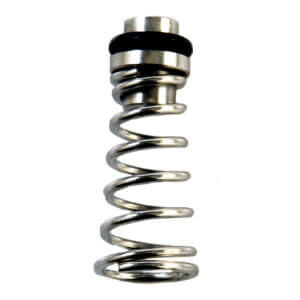
Typical use cases include breweries, coffee systems, bars, and industrial beverage operations where uptime and consistency are critical. Components like O-rings and poppets directly impact sealing performance, while disconnects and couplers enable safe and efficient connections.
Which keg parts are most commonly replaced in a draft system?
The most commonly replaced keg parts are O-rings, poppets, seals, and disconnects.
These components experience the most wear due to repeated pressurization, cleaning cycles, and mechanical connection/disconnection. Over time, they degrade and can cause leaks or pressure loss.
For operators managing multiple kegs or high-throughput systems, maintaining a regular replacement schedule helps prevent downtime and protects product quality. Many buyers keep spare kits on hand for fast maintenance.
How do I choose the correct keg components for my system?
You choose the correct keg components by matching the keg type, connection standard, and application requirements.
Keg systems vary between ball lock, pin lock, and Sankey configurations, and each requires compatible posts, disconnects, and fittings. Using mismatched parts can lead to improper sealing or system failure.
Professional buyers often standardize equipment across locations or verify compatibility using specifications such as thread type, pressure rating, and material compatibility with beverage types.
Are keg components universal across all keg types?
No, keg components are not universal and must match specific keg standards and connection types.
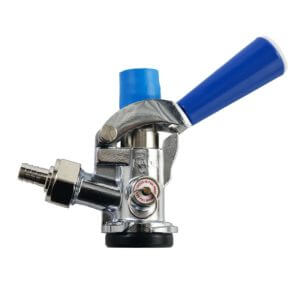
Ball lock and pin lock systems use different post designs, while Sankey kegs require couplers instead of disconnects. Even within similar systems, thread sizes and tolerances can vary.
For distributors and operators, ensuring compatibility reduces installation errors and avoids costly returns or operational delays.
What materials are keg O-rings and seals typically made from?
Keg O-rings and seals are typically made from food-grade rubber or elastomer materials such as EPDM or silicone.
These materials are selected for their resistance to pressure, temperature changes, and exposure to beverages and cleaning chemicals. They also maintain flexibility to ensure consistent sealing.
In beverage environments, material selection impacts sanitation, durability, and compliance with food safety standards.
Why is regular maintenance of keg components important?
Regular maintenance of keg components is important to prevent leaks, contamination, and system downtime.
Worn seals or damaged fittings can compromise pressure control, leading to poor dispensing performance or product loss. Cleaning components also ensures sanitary conditions in beverage applications.
For commercial operators, preventive maintenance reduces service interruptions and extends the lifespan of both kegs and dispensing equipment.
What is the difference between keg posts and poppets?
Keg posts are threaded connection points, while poppets are internal valve mechanisms that control liquid or gas flow.
Posts provide the external interface for attaching disconnects, while poppets open and close under pressure to regulate flow inside the keg. Both must function together to maintain a sealed, pressurized system.
If either component fails, the system may leak or fail to dispense properly, making them critical replacement parts in maintenance programs.
Do I need different keg parts for gas and liquid sides?
Yes, keg systems require different components for gas and liquid connections.
Gas-side components regulate CO2 or nitrogen input, while liquid-side components handle beverage output. These sides often use different fittings, posts, and disconnects to prevent cross-connection.
This separation is essential for maintaining system integrity and ensuring safe, consistent dispensing performance.
How do keg cleaning components improve system performance?
Keg cleaning components improve system performance by removing residue, preventing buildup, and maintaining sanitary conditions.
Cleaning kits and washers help flush lines, remove biofilm, and ensure that kegs are properly sanitized between uses. This is especially important in beer and coffee applications where flavor integrity matters.
Consistent cleaning reduces contamination risks and supports compliance with food and beverage safety standards.
Can keg components be used for both commercial and homebrew systems?
Yes, many keg components are designed to work in both commercial and homebrew systems when specifications align.
While commercial systems may require higher durability and volume capacity, the underlying connection standards are often similar. This allows crossover use for parts like disconnects, O-rings, and fittings.
Buyers should verify pressure ratings and compatibility, especially when scaling from homebrew setups to commercial operations.