Posts + Poppets
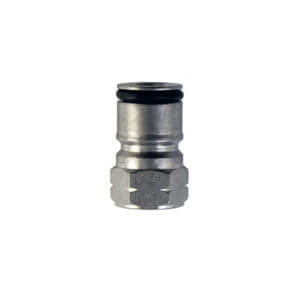
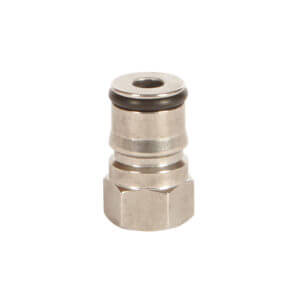
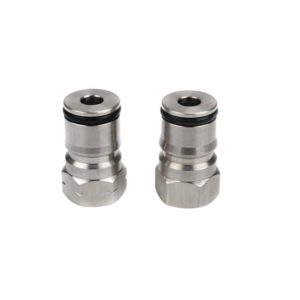
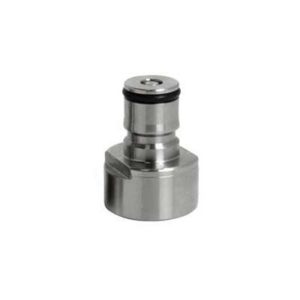
Keg posts and poppets are critical components for maintaining pressure, sealing integrity, and reliable flow in draft beer systems, cold brew coffee setups, and beverage dispensing applications. This category includes ball-lock posts, pin-lock posts, universal poppets, and replacement keg post parts designed for compatibility with Cornelius kegs, Sankey conversion systems, and commercial keg hardware.
Explore Further (click to learn more):
Built for consistent sealing and long-term durability, these components support gas and liquid connections, helping prevent leaks, pressure loss, and system downtime in professional environments. Whether you are maintaining a brewery, coffee program, or beverage distribution operation, selecting the correct keg post or poppet valve ensures proper system performance and product quality.
Add to quote to select, and choose quantity on the quote form to streamline procurement for bulk orders, replacements, or system upgrades. All components are suited for B2B buyers, distributors, and service technicians who require dependable, compatible keg hardware that performs under operational demands.
FREQUENTLY ASKED QUESTIONS
What are keg posts and poppets used for in a keg system?
Keg posts and poppets control gas and liquid flow while maintaining a sealed, pressurized keg system.
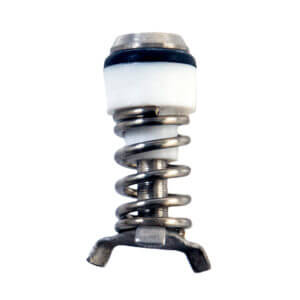
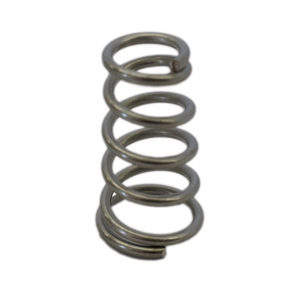
Keg posts serve as the connection points for gas and liquid lines, while poppets act as internal spring-loaded valves that open and close when disconnects are attached or removed. Together, they ensure controlled dispensing and prevent leaks.
In commercial beverage systems, these components are essential for maintaining carbonation levels, preventing contamination, and ensuring consistent pour quality across beer, cold brew coffee, and soda applications.
What is the difference between ball lock and pin lock keg posts?
Ball lock and pin lock posts differ in connection style, compatibility, and physical design.
Ball lock posts use a smooth exterior with ball-bearing disconnects, while pin lock posts feature physical pins that align with specific disconnect fittings. These differences prevent cross-connection between gas and liquid lines.
For operators managing multiple kegs or standardized systems, choosing the correct post type ensures compatibility with existing hardware and reduces the risk of improper connections during operation.
How do I know if I need to replace a keg poppet?
You need to replace a keg poppet if you experience leaks, pressure loss, or inconsistent sealing.
Poppets wear over time due to repeated cycling, exposure to cleaning chemicals, and pressure fluctuations. A worn or damaged poppet may fail to seal properly, leading to gas leaks or dispensing issues.
Routine inspection and replacement are common in high-use environments such as breweries and coffee operations where uptime and system reliability are critical.
Are keg posts and poppets universal across all kegs?
Keg posts and poppets are not fully universal and must match specific keg types and thread standards.
While some universal poppets are designed to fit multiple keg models, posts are typically manufacturer-specific and must align with thread size, height, and connection type.
For B2B buyers and technicians, verifying compatibility with Cornelius-style kegs or Sankey conversion systems is essential to avoid installation issues and system inefficiencies.
Can I convert a pin lock keg to a ball lock system?
Yes, pin lock kegs can be converted to ball lock systems using compatible conversion posts.
Conversion kits replace existing pin lock posts with ball lock equivalents, allowing the use of standard ball lock disconnects commonly found in modern beverage systems.
This conversion is often used to standardize equipment across operations, simplifying maintenance, training, and inventory management.
What materials are keg posts and poppets made from?
Keg posts and poppets are typically made from stainless steel with internal springs and sealing components.
Stainless steel provides corrosion resistance, durability, and compatibility with beverage-grade applications, while internal springs and seals ensure proper valve function.
These materials are selected to withstand repeated cleaning cycles, pressure changes, and exposure to acidic or carbonated liquids.
Why are keg poppets important for maintaining pressure?
Keg poppets maintain pressure by sealing the keg when disconnects are not engaged.
The spring-loaded mechanism inside the poppet keeps the valve closed, preventing gas or liquid from escaping when the system is disconnected.
This function is critical for preserving carbonation, preventing oxygen ingress, and maintaining product quality in both beer and cold brew coffee systems.
How often should keg posts and poppets be replaced?
Keg posts and poppets should be replaced periodically based on usage, wear, and maintenance schedules.
In high-volume environments, components may require more frequent replacement due to constant cycling and cleaning exposure, while lower-use systems may extend service life.
Preventive maintenance programs typically include inspection and replacement intervals to avoid unexpected failures and downtime.
What issues can faulty keg posts cause in a beverage system?
Faulty keg posts can cause leaks, pressure loss, poor flow control, and inconsistent dispensing.
Damaged threads, worn seals, or improper fit can compromise the integrity of the keg connection, leading to operational inefficiencies and product waste.
For commercial operations, these issues can impact throughput, customer experience, and overall system reliability.
Are these keg components suitable for commercial beverage operations?
Yes, keg posts and poppets are designed for use in commercial beverage systems including breweries, coffee programs, and distribution environments.
These components are built to handle repeated use, high-pressure conditions, and rigorous cleaning protocols common in professional settings.
B2B buyers benefit from consistent performance, compatibility with standard keg systems, and the ability to maintain and scale beverage operations efficiently.


