Beverage Kegs

FREQUENTLY ASKED QUESTIONS
What types of beverage kegs are available for breweries and beverage producers?
Commercial beverage kegs are typically available in Sankey “D” kegs and ball lock kegs made from stainless steel for professional beverage storage and dispensing.
Sankey “D” kegs are the industry standard for the North American craft beer and commercial brewing market. These kegs use a single-valve system designed to work with Sankey couplers commonly found in bars, restaurants, breweries, and taprooms.
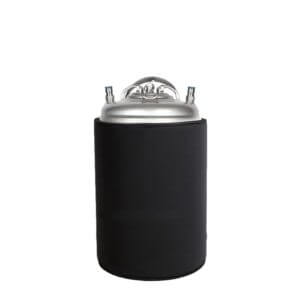
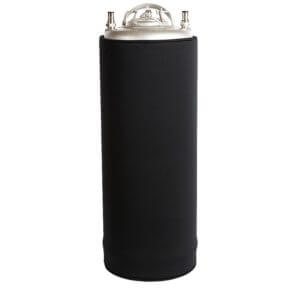
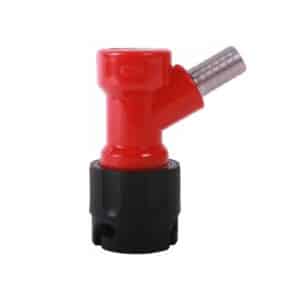
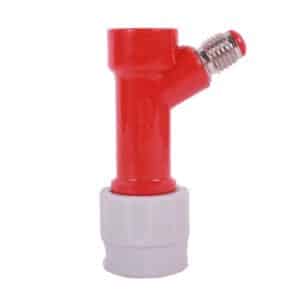
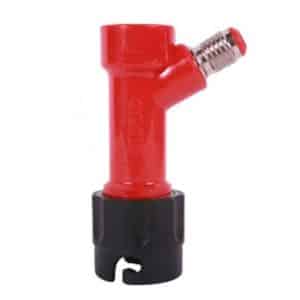
Ball lock kegs are commonly used in homebrewing, specialty beverage production, cold brew coffee systems, and pilot brewing setups. They feature separate gas and liquid posts that allow precise pressure control and easier small-batch handling.
What is a Sankey “D” keg and why is it used in the craft beer industry?
A Sankey “D” keg is the standard commercial beer keg used by most breweries in North America for distributing draft beer.
The Sankey “D” valve system uses a single coupler that manages both gas input and liquid output through one connection point. This design improves efficiency for high-volume dispensing environments such as taprooms, bars, and stadiums.
Because the Sankey “D” format is widely standardized across breweries and distributors, it ensures compatibility with common draft systems, making it the preferred keg type for commercial beer distribution.
What are ball lock kegs used for?
Ball lock kegs are commonly used for homebrewing, cold brew coffee systems, and small-batch beverage production.
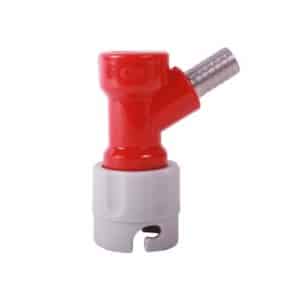
These kegs feature separate gas and liquid connections that attach using quick-disconnect ball lock fittings. This system allows brewers and beverage producers to easily carbonate, dispense, and transfer liquids with precise pressure control.
Ball lock kegs are also popular for pilot brewing systems, kombucha production, and specialty beverages where smaller volumes and flexible handling are important.
Why are stainless steel kegs used for beverages?
Stainless steel kegs are used because they provide superior durability, sanitation, and protection against flavor contamination.
Most commercial beverage kegs are manufactured from 304 stainless steel, which resists corrosion and does not react with acidic beverages like beer, kombucha, or cold brew coffee.
Stainless steel also supports rigorous cleaning processes such as high-temperature washing and chemical sanitation, making it ideal for breweries and beverage facilities that require strict hygiene standards.
What size beverage kegs are commonly used by breweries?
Common brewery keg sizes include half barrel, quarter barrel, and sixth barrel kegs for beer distribution and taproom service.
Half barrel kegs are the traditional full-size beer keg used by large breweries and high-volume venues. Quarter barrel and sixth barrel kegs are more compact and easier to handle in smaller spaces or specialty tap systems.
Different keg sizes allow breweries and beverage producers to choose the right format based on production scale, storage capacity, and distribution needs.
Are Sankey kegs compatible with most draft beer systems?
Yes, Sankey “D” kegs are compatible with the majority of draft beer systems used in North America.
Most commercial draft systems use a Sankey coupler that connects directly to the valve on the keg, allowing CO₂ to pressurize the container and push the beverage through the tap line.
Because of this standardized system, Sankey kegs are widely used across breweries, distributors, restaurants, bars, and stadium beverage operations.
How do beverage kegs maintain carbonation and pressure?
Beverage kegs maintain carbonation by using pressurized gas, typically CO₂, to keep the liquid under controlled pressure.
In draft systems, CO₂ is introduced through the keg valve and applies pressure to the beverage inside the container. This pressure both preserves carbonation and pushes the beverage through the dispensing lines.
Maintaining the correct pressure level is essential for preserving flavor, preventing foaming, and ensuring consistent beverage quality.
Are stainless steel kegs reusable?
Yes, stainless steel beverage kegs are designed to be reused for many years with proper cleaning and maintenance.
Commercial breweries and beverage facilities regularly clean and sanitize kegs using specialized keg washers that remove residue and prepare the container for refilling.
Because stainless steel is highly durable and resistant to wear, properly maintained kegs can remain in service for decades.
What industries commonly use beverage kegs besides breweries?
Beverage kegs are widely used in coffee brewing, kombucha production, craft soda manufacturing, and homebrewing.
Cold brew coffee producers often use stainless steel kegs for storage and nitrogen dispensing systems. Kombucha and craft soda companies also rely on kegs for efficient distribution and taproom service.
The versatility of keg systems makes them useful across many beverage industries that require pressurized dispensing.
How do you choose the right keg for your brewing or beverage operation?
The right keg depends on your beverage type, production volume, and the dispensing system you plan to use.
Commercial breweries distributing draft beer typically choose Sankey “D” kegs because they are compatible with standard draft systems used by bars and restaurants.
Smaller operations, pilot brewing setups, and cold brew coffee producers often prefer ball lock kegs because they offer flexibility, quick connections, and easier handling for smaller batch sizes.