Kettles
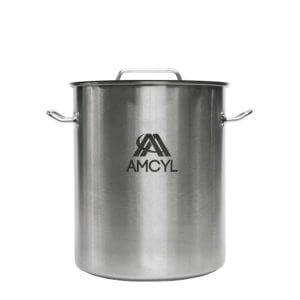
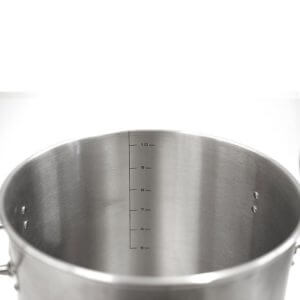
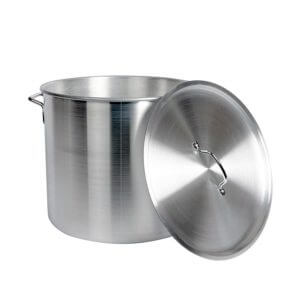
Explore brewing kettles designed for consistent heat transfer, durability, and production efficiency across homebrewing, pilot systems, and commercial beverage operations. This category includes stainless steel brew kettles, boil kettles, and brewing vessels built to handle wort boiling, hop additions, and temperature control with precision. Whether you are producing craft beer, cold brew coffee, or specialty beverages, selecting the right kettle supports batch consistency, sanitation, and long-term equipment reliability.
Explore Further (click to learn more):
These kettles are commonly used in homebrew setups, nano breweries, coffee brewing systems, and R&D environments, where material quality and thermal performance directly impact product outcomes. Features such as high-grade stainless construction, welded fittings, and compatibility with heating elements or burners help ensure operational uptime and compliance with industry standards.
Add to quote to select, and choose quantity on the quote form to configure your order based on capacity, application, and system requirements. This streamlined quoting process supports distributors, beverage brands, and production teams sourcing reliable brewing equipment at scale.
FREQUENTLY ASKED QUESTIONS
What size brewing kettle do I need for my brewing system?
A brewing kettle should typically be 20–30% larger than your target batch size to allow for boil expansion and foam.
This sizing ensures you have enough headspace to prevent boil-overs during wort boiling, especially when adding hops or increasing heat intensity. For example, a 10-gallon batch typically requires a 12–15 gallon kettle.
For commercial and pilot systems, selecting the correct kettle size also supports production efficiency, reduces product loss, and aligns with standard brewing workflows used in craft beverage operations.
What materials are best for brewing kettles?
Stainless steel is the preferred material for brewing kettles due to its durability, corrosion resistance, and ease of sanitation.
High-grade stainless steel resists chemical reactions with wort and cleaning agents, which helps maintain product quality and extends equipment lifespan. It also supports repeated heating cycles without degrading.
For beverage and coffee producers, stainless steel kettles align with sanitation standards and are widely used across professional brewing and food-grade processing environments.
What is the difference between a brew kettle and a boil kettle?
A brew kettle is a general term for the vessel used in brewing, while a boil kettle specifically refers to the stage where wort is boiled.
In most systems, the same vessel may serve multiple functions, including heating, mashing (in some setups), and boiling. However, in more advanced systems, each stage may use dedicated equipment.
Understanding this distinction helps operators design systems that match their production scale, whether for homebrewing or commercial beverage manufacturing.
Can brewing kettles be used for beverages other than beer?
Yes, brewing kettles are commonly used for coffee, tea, kombucha, and other specialty beverage production.
Their ability to handle controlled heating and large liquid volumes makes them versatile across multiple beverage categories. This is especially relevant for cold brew coffee producers who require consistent extraction processes.
For B2B buyers, multi-use kettles provide flexibility across product lines and support operational efficiency in beverage production facilities.
What features should I look for in a brewing kettle?
Key features include stainless steel construction, welded ports, compatibility with heating sources, and appropriate capacity for your batch size.
Additional features such as sight glasses, thermowells, and tri-clamp fittings improve process control and integration with other brewing equipment. These features are especially valuable in scaled or repeatable production environments.
Selecting the right features ensures your kettle aligns with your system design, reduces manual intervention, and supports consistent output.
Are electric or gas heating systems better for brewing kettles?
Electric heating offers precise temperature control, while gas heating provides faster heat-up times and higher output for larger batches.
Electric systems are commonly used in indoor or controlled environments where precision and safety are priorities. Gas systems are often preferred in larger-scale or outdoor setups where rapid heating is required.
Your choice depends on facility constraints, batch size, and production goals, especially in commercial beverage operations.
How do I clean and maintain a brewing kettle?
Brewing kettles should be cleaned with brewery-safe cleaning agents and thoroughly rinsed after each use to prevent residue buildup.
Regular cleaning removes wort residue, hop oils, and mineral deposits that can impact flavor and sanitation. Many operators follow CIP (clean-in-place) or manual cleaning protocols depending on system complexity.
Consistent maintenance extends equipment life, ensures compliance with sanitation standards, and protects product quality.
Do I need fittings and accessories with my brewing kettle?
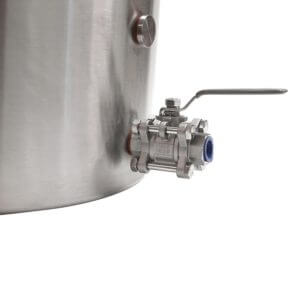
Yes, most brewing systems require fittings such as valves, ports, and connections to integrate the kettle into the overall process.
These components allow for controlled liquid transfer, temperature monitoring, and compatibility with pumps or filtration systems. Standardized fittings like tri-clamp connections are common in professional setups.
Selecting compatible accessories ensures your kettle functions efficiently within your brewing system and reduces the need for custom modifications.
Are brewing kettles suitable for commercial use?
Yes, many brewing kettles are designed for commercial beverage production, including breweries, coffee operations, and beverage manufacturers.
Commercial-grade kettles are built with heavier materials, reinforced welds, and features that support continuous use. They are designed to meet the demands of higher throughput and operational consistency.
For distributors and production teams, choosing commercial-ready kettles ensures reliability and scalability as demand grows.
How do I order or request a quote for brewing kettles?
You can add products to a quote and specify quantities directly through the quote form on the product page.
This process allows you to configure orders based on capacity, specifications, and project requirements without immediate checkout. It is especially useful for bulk purchasing or system planning.
For B2B buyers, the quote-based model supports pricing discussions, logistics coordination, and tailored solutions aligned with your operational needs.


