Medical Oxygen Valves
Medical oxygen valves are critical components used on compressed oxygen cylinders in healthcare, emergency response, and clinical environments. These valves regulate the safe storage and controlled release of medical-grade oxygen and are engineered to meet strict safety and compliance standards used throughout the medical gas industry.
Explore Further (click to learn more):
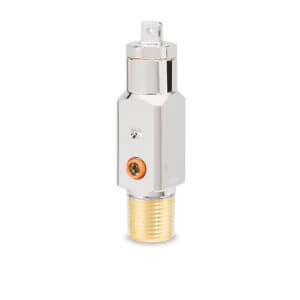
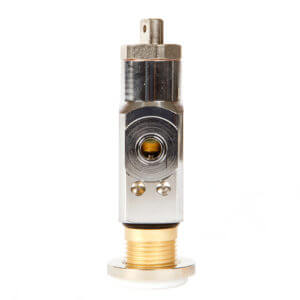
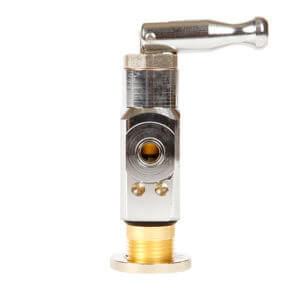
At All Safe Global, we supply a range of medical oxygen cylinder valves designed for reliability, compatibility, and long service life. Typical applications include hospital oxygen systems, EMS oxygen cylinders, respiratory therapy equipment, and medical gas distribution systems. Many valves incorporate industry-standard connections such as CGA870 or CGA540 configurations, enabling proper integration with oxygen regulators, flow meters, and medical oxygen delivery equipment.
These valves are manufactured for high-pressure oxygen service, with precision-machined bodies, oxygen-clean internal components, and durable seals designed for repeated use in professional environments.
Add to quote to select, and choose the quantity on the quote form. Our catalog allows distributors, healthcare equipment providers, and medical gas suppliers to easily identify the correct valve specifications and request pricing for the quantities required.
Selecting the correct medical oxygen valve helps ensure safe oxygen handling, regulatory compliance, and dependable performance in clinical and emergency applications.

FREQUENTLY ASKED QUESTIONS
What is a medical oxygen valve used for?
A medical oxygen valve controls the safe storage and release of oxygen from a high-pressure medical gas cylinder.
Medical oxygen valves are installed at the cylinder neck and act as the primary shut-off and control point for compressed oxygen. They allow healthcare providers or technicians to open, close, and regulate oxygen flow when connecting regulators or medical delivery devices.
These valves are used in hospitals, ambulances, clinics, home healthcare systems, and emergency oxygen supply setups. Properly specified valves ensure oxygen can be safely delivered to patients while maintaining the pressure integrity of the cylinder.
What types of connections do medical oxygen valves use?
Medical oxygen valves typically use standardized CGA connections such as CGA870 for post valves or CGA540 for threaded regulator connections.
CGA connection standards ensure oxygen regulators and medical equipment connect safely to cylinders without cross-connection with other gases. CGA870 connections are commonly used on smaller portable medical oxygen cylinders, while CGA540 connections are often used on larger high-pressure oxygen cylinders.
Using standardized valve connections reduces the risk of incorrect equipment connections and helps healthcare providers maintain compliance with medical gas safety standards.
How do you choose the correct medical oxygen cylinder valve?
The correct medical oxygen valve depends on the cylinder type, CGA connection standard, operating pressure, and intended medical application.
Buyers must match the valve to the cylinder thread specification, gas service (oxygen), and regulator connection type used in their medical equipment. Oxygen valves must also be compatible with the cylinder’s pressure rating and meet oxygen-service cleanliness standards.
Distributors and medical equipment suppliers often reference CGA standards, valve specifications, and regulator compatibility when selecting valves for hospitals, EMS providers, or home medical equipment programs.
Are medical oxygen valves different from industrial oxygen valves?
Yes, medical oxygen valves are designed specifically for medical gas service and must meet stricter cleanliness and compatibility requirements.
Medical oxygen valves are manufactured and cleaned to prevent contamination that could affect oxygen purity or create combustion risks. They are also designed to interface with medical oxygen regulators and equipment used in healthcare environments.
Industrial oxygen valves may appear similar but are typically used for welding or cutting applications and may not meet medical oxygen cleanliness or regulatory requirements
What safety features are included in medical oxygen valves?
Medical oxygen valves typically include pressure-rated construction, oxygen-compatible seals, and safety features such as pressure relief devices.
These valves are engineered to safely contain high-pressure oxygen while preventing leaks or contamination. Many include integrated safety mechanisms that help protect the cylinder if pressure exceeds safe operating limits.
Because oxygen is a highly reactive gas, valve materials and seals must be compatible with oxygen service and properly cleaned during manufacturing.
Can medical oxygen valves be replaced on cylinders?
Yes, medical oxygen valves can be replaced when they become worn, damaged, or when cylinders are refurbished during service.
Valve replacement is commonly performed by DOT-authorized cylinder service facilities or qualified technicians who follow industry safety procedures. The cylinder must be properly depressurized and inspected before a new valve is installed.
Replacing valves during cylinder refurbishment helps extend cylinder service life while maintaining safe oxygen delivery performance.
What industries purchase medical oxygen cylinder valves?
Medical oxygen valves are commonly purchased by medical gas distributors, healthcare equipment suppliers, EMS providers, and cylinder service companies.
Hospitals, ambulance services, home healthcare providers, and oxygen therapy distributors rely on these valves for safe oxygen storage and delivery. Cylinder testing and refurbishment facilities also maintain inventory for valve replacement during requalification.
Wholesale distributors often purchase medical oxygen valves in bulk to support cylinder assembly, refurbishment, or equipment distribution.
Are medical oxygen valves compatible with oxygen regulators?
Yes, medical oxygen valves are designed to work with compatible oxygen regulators that match the valve’s CGA connection standard.
Regulators attach directly to the valve outlet and control the pressure and flow of oxygen delivered to medical equipment. Ensuring the regulator connection matches the valve standard is critical for safe operation.
Using properly matched valves and regulators helps prevent leaks, connection failures, and incorrect gas delivery.
What materials are used in medical oxygen valves?
Medical oxygen valves are typically manufactured from brass or other oxygen-compatible alloys designed for high-pressure gas service.
These materials provide corrosion resistance, strength under pressure, and compatibility with oxygen environments. Internal seals and components are selected specifically for oxygen service to minimize ignition risk.
Manufacturing standards also require proper cleaning and handling to prevent oils or contaminants from entering oxygen systems.
How do distributors request pricing for medical oxygen valves?
Distributors can request pricing by selecting products and submitting quantities through the website’s quote request system.
On this page, users can add items to the quote request and choose the quantity on the quote form to receive pricing from the All Safe Global sales team. This process allows buyers to request pricing for single valves, replacement components, or larger distribution quantities.
The quote process is designed for B2B buyers such as gas distributors, medical equipment providers, and service companies that require specification verification and volume pricing.