Nitrogen Dewars
Nitrogen Dewars for Liquid Nitrogen Storage and Transport
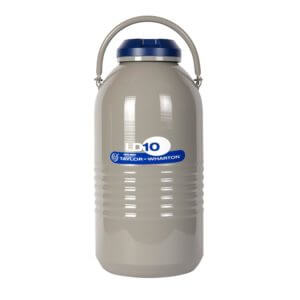
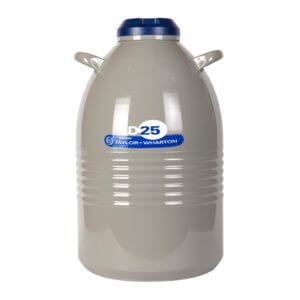
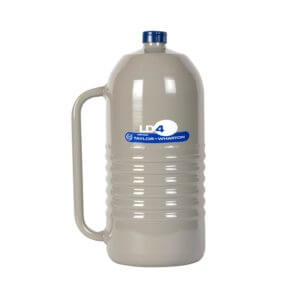
Nitrogen dewars are specialized cryogenic vessels designed for the safe storage and transport of liquid nitrogen (LN₂) in laboratory, medical, industrial, and beverage environments. These vacuum-insulated containers maintain extremely low temperatures while minimizing evaporation and heat transfer, making them essential for applications such as biological sample storage, cryogenic processing, food freezing, laboratory research, and cold chain logistics.
Explore Further (click to learn more):
All Safe Global supplies durable nitrogen dewars and liquid nitrogen containers engineered for reliability, safety in handling, and professional service environments. These cryogenic dewars are commonly used in laboratories, research facilities, healthcare, welding operations, and beverage systems that require nitrogen handling or storage.
Typical features may include:
- Vacuum-insulated cryogenic construction
- High-capacity liquid nitrogen storage
- Durable aluminum or stainless steel vessels
- Transport-ready handles and protective components
- Compatibility with cryogenic transfer and dispensing equipment
To request pricing or availability, add products to your quote and submit your request through our quoting system.
Add to the quote to select, and choose the quantity on the quote form.
FREQUENTLY ASKED QUESTIONS
What is a nitrogen dewar used for?
A nitrogen dewar is used to safely store and transport liquid nitrogen while maintaining cryogenic temperatures.
Nitrogen dewars are vacuum-insulated containers specifically engineered to hold liquid nitrogen at extremely low temperatures, typically around −196°C (−320°F). The vacuum insulation significantly reduces heat transfer, allowing the liquid nitrogen to remain stable for extended periods.
These vessels are widely used in laboratories, medical facilities, cryogenic research, industrial processes, and food processing environments. Many organizations rely on nitrogen dewars for biological sample preservation, cryogenic freezing, semiconductor manufacturing, and nitrogen supply for beverage or gas systems.
What is the difference between a nitrogen dewar and a standard gas cylinder?
A nitrogen dewar stores nitrogen in liquid form, while a standard gas cylinder stores nitrogen as compressed gas.
Nitrogen dewars are designed for cryogenic liquid nitrogen storage, which requires specialized vacuum-insulated vessels to maintain extremely low temperatures and prevent rapid evaporation.
Standard nitrogen cylinders, by contrast, contain compressed nitrogen gas at high pressure. They are typically used for applications such as welding, industrial purging, and beverage dispensing, whereas dewars are used when large quantities of nitrogen must be stored in liquid form for cryogenic or cooling purposes.
How long can liquid nitrogen be stored in a nitrogen dewar?
Liquid nitrogen can typically be stored in a nitrogen dewar for several days to several weeks depending on the vessel design and evaporation rate.
All cryogenic dewars have a natural evaporation or “boil-off” rate, which occurs as small amounts of heat enter the container. High-quality vacuum insulation reduces this loss, allowing the liquid nitrogen to remain usable for extended periods.
Storage time depends on several factors, including dewar capacity, insulation efficiency, ambient temperature, and usage frequency. Larger dewars with better insulation typically offer lower evaporation rates and longer holding times.
Are nitrogen dewars safe to transport?
Nitrogen dewars are safe to transport when designed with proper cryogenic safety features and handled according to standard safety procedures.
Most transportable dewars include pressure relief systems, reinforced handles, protective collars, and stable base designs to help manage cryogenic liquid safely. These features allow the container to safely release gas if pressure builds from natural evaporation.
Operators must still follow proper cryogenic handling procedures, including adequate ventilation, protective equipment, and secure transport practices, since liquid nitrogen rapidly expands into gas.
What sizes of nitrogen dewars are available?
Nitrogen dewars are available in a range of capacities, from small laboratory containers to large industrial storage vessels.
Smaller dewars are commonly used in laboratories, medical facilities, and research environments where liquid nitrogen is used for biological samples, cryotherapy, or cryogenic testing.
Larger dewars support industrial manufacturing, cryogenic processing, food freezing, and high-volume laboratory operations that require larger quantities of liquid nitrogen.
How does a nitrogen dewar maintain cryogenic temperatures?
A nitrogen dewar maintains cryogenic temperatures using vacuum insulation between the inner and outer vessel walls.
The vacuum layer dramatically reduces heat transfer by limiting conduction, convection, and radiation, which are the primary sources of heat gain in cryogenic containers.
This design allows the inner vessel to keep liquid nitrogen at extremely low temperatures while minimizing evaporation, making dewars highly effective for long-term cryogenic storage and transport applications.
What industries commonly use nitrogen dewars?
Nitrogen dewars are commonly used in laboratory, medical, industrial manufacturing, food processing, and beverage industries.
Research laboratories use them to store biological samples, cryogenic materials, and experimental substances that must remain at extremely low temperatures.
Industrial facilities rely on nitrogen dewars for cryogenic cooling, metal treatment, food freezing, and manufacturing processes, while beverage and specialty gas applications may use nitrogen storage for nitro beverage systems or gas handling environments.
How do you refill a nitrogen dewar?
A nitrogen dewar is refilled by transferring liquid nitrogen from a bulk storage tank or supply dewar using cryogenic transfer equipment.
Liquid nitrogen transfer typically involves insulated transfer hoses, phase separators, or pressurized systems that allow the cryogenic liquid to flow safely into the receiving container.
Proper safety procedures are critical during refilling because liquid nitrogen expands rapidly into gas and can displace oxygen in enclosed spaces.
What safety precautions are required when using nitrogen dewars?
Proper ventilation, protective equipment, and correct handling procedures are essential when working with nitrogen dewars.
Liquid nitrogen is extremely cold and can cause severe frostbite or cold burns on contact with skin, so operators typically wear insulated gloves, face shields, and protective clothing.
Additionally, nitrogen gas can displace oxygen in confined spaces, which means facilities often implement ventilation requirements, oxygen monitoring, and safety training for cryogenic handling.
How do you choose the right nitrogen dewar?
The right nitrogen dewar depends on required storage capacity, evaporation rate, application type, and handling requirements.
Laboratory users often prioritize smaller portable dewars with controlled evaporation rates, while industrial users may require larger storage containers designed for higher nitrogen demand.
Other important factors include insulation quality, durability, safety features, compatibility with transfer equipment, and transport requirements, which all influence how effectively the dewar performs in a professional environment.


