Compressed Gas Cylinders

FREQUENTLY ASKED QUESTIONS
What types of compressed gas cylinders are available from wholesale suppliers?
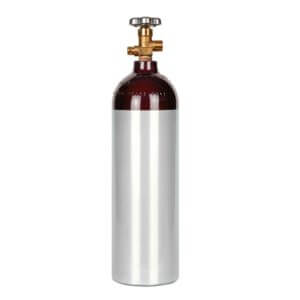
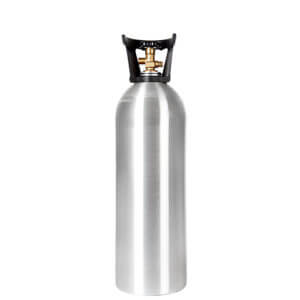
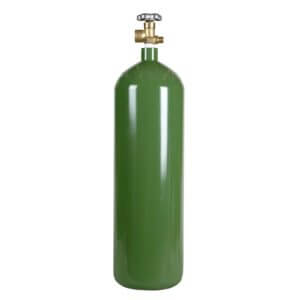
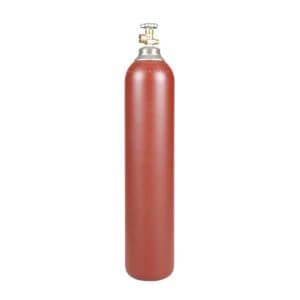
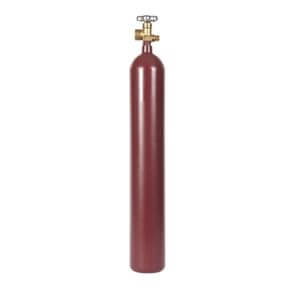
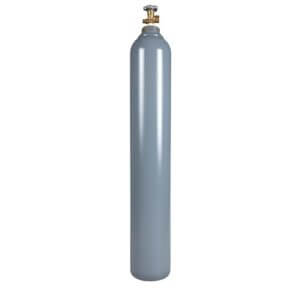
Compressed gas cylinder wholesalers typically supply steel and aluminum cylinders for gases such as CO₂, nitrogen, argon, helium, oxygen, and specialty industrial gases.
Wholesale distributors carry multiple cylinder materials, sizes, and pressure ratings to support different applications across industrial gas distribution, beverage systems, healthcare, and safety equipment. Steel cylinders are commonly selected for durability and higher-duty industrial environments, while aluminum cylinders provide lighter weight and corrosion resistance.
Most wholesale catalogs also include specialty cylinders such as medical oxygen cylinders, SCBA breathing air cylinders, acetylene cylinders, and nitrogen dewars used in laboratories or cryogenic storage.
What is the difference between steel and aluminum compressed gas cylinders?
Steel cylinders provide higher durability and pressure resistance, while aluminum cylinders offer lighter weight and improved corrosion resistance.
Steel compressed gas cylinders are commonly used in industrial and welding environments where cylinders experience frequent handling, transport, and refilling. Their strength allows them to withstand heavy-duty use and higher pressures in many applications.
Aluminum cylinders are preferred where portability matters, such as beverage systems, medical oxygen delivery, and specialty gas transport. Their lighter weight reduces handling strain and makes them easier to move between facilities.
What gases are commonly stored in compressed gas cylinders?
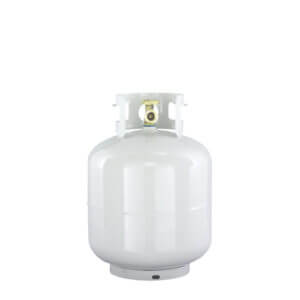
Compressed gas cylinders are commonly used to store gases such as CO₂, nitrogen, argon, helium, oxygen, acetylene, and propane.
Each gas requires specific cylinder materials, pressure ratings, and valve configurations to ensure safe storage and regulatory compliance. Industrial gases like argon and nitrogen are widely used in welding, HVAC, and manufacturing processes.
Beverage and food service systems commonly rely on CO₂ and nitrogen cylinders for carbonation and nitrogen infusion applications such as craft beer or nitro cold brew coffee.
How do you choose the right compressed gas cylinder for an application?
Selecting the correct compressed gas cylinder depends on the gas type, required pressure rating, capacity, valve type, and intended application.
Industrial users typically begin by identifying the gas specification and operating pressure required by their equipment. Cylinder capacity is then chosen based on usage frequency, refill logistics, and available storage space.
Compatibility with regulators, valves, and safety standards such as DOT or CGA requirements is also critical to ensure safe operation and regulatory compliance.
What are common sizes of compressed gas cylinders?
Compressed gas cylinders are available in a wide range of sizes measured by weight, volume, or cubic-foot gas capacity.
Common examples include 5 lb, 10 lb, 20 lb, and 50 lb CO₂ cylinders, as well as industrial cylinders measured in cubic feet such as 80 cu ft, 150 cu ft, and 300 cu ft cylinders.
The correct size depends on gas consumption rate, refill frequency, and available storage space in the facility.
What industries use compressed gas cylinders?
Compressed gas cylinders are widely used in industrial manufacturing, beverage production, healthcare, HVAC, welding, and fire safety industries.
Industrial gas distributors rely on cylinders to transport and store gases used in cutting, welding, shielding, and laboratory processes. Beverage and coffee companies use CO₂ and nitrogen cylinders for draft systems and nitro beverage dispensing.
Healthcare providers use medical oxygen cylinders for patient care, while safety teams rely on breathing air cylinders for emergency response and confined-space entry.
What components are used with compressed gas cylinders?
Compressed gas cylinders are typically used with valves, regulators, protective caps, collars, handles, and sealing components.
Cylinder valves control gas flow and connect the cylinder to regulators and downstream equipment. Regulators reduce cylinder pressure to safe operating levels for specific applications.
Additional accessories such as caps, guards, and carry handles protect the cylinder during storage, transport, and handling.
What is a cylinder valve and why is it important?
A cylinder valve controls the release of gas from a compressed gas cylinder and connects the cylinder to regulators and equipment.
Valves are designed according to gas-specific standards such as CGA outlet configurations to prevent cross-connection between incompatible gases. This ensures safety and correct equipment pairing.
Some valves also include safety features such as residual pressure valves (RPVs) that help prevent contamination inside the cylinder
How are compressed gas cylinders tested and maintained?
Compressed gas cylinders must undergo periodic inspection and hydrostatic testing to verify structural integrity and regulatory compliance.
Testing ensures that the cylinder can safely withstand its rated pressure and continued operational use. Hydrostatic testing expands the cylinder under pressure to measure structural deformation.
Many cylinder wholesalers and service providers offer requalification, refurbishment, and recertification services to extend the safe service life of cylinders.
Why do distributors buy compressed gas cylinders from wholesale suppliers?
Distributors purchase compressed gas cylinders from wholesalers to access large inventories, multiple cylinder types, and industry-compliant equipment.
Wholesale suppliers maintain broad product catalogs that include cylinders, valves, regulators, and replacement components. This simplifies sourcing and allows distributors to procure complete systems from one supplier.
Working with a wholesale cylinder provider also helps ensure that equipment meets industry standards, pressure ratings, and compatibility requirements across different gas applications.