CO2 Valves

FREQUENTLY ASKED QUESTIONS
What is a CGA320 CO2 valve used for?
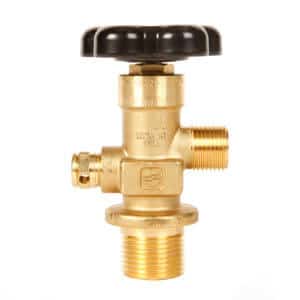
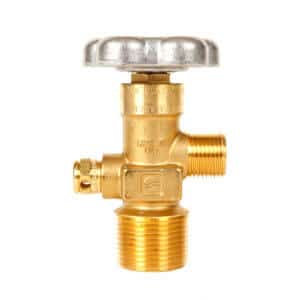
A CGA320 CO2 valve is the standard valve connection used on carbon dioxide cylinders for industrial, beverage, and compressed gas applications.
The CGA320 designation refers to a Compressed Gas Association (CGA) connection standard that defines the valve outlet and threading used for CO2 cylinders. This standard ensures compatibility between the cylinder valve and regulators used in carbonation systems, beverage dispensing equipment, and industrial gas processes.
Distributors, breweries, welding suppliers, and gas service companies typically specify CGA320 valves on refillable CO2 cylinders to ensure safe regulator attachment and consistent pressure control during gas withdrawal.
How do I choose the correct CO2 valve for a cylinder?
The correct CO2 valve depends on the cylinder neck thread type, pressure rating, and the regulator connection required for the application.
Most CO2 cylinders use CGA320 outlet connections, but the inlet thread type may vary depending on the cylinder design, such as UNF or NGT configurations. Matching the valve inlet thread to the cylinder neck is critical for safe installation and sealing.
Buyers should confirm cylinder neck thread specifications, working pressure, and application requirements before selecting a replacement or new valve.
What does CGA320 mean for CO2 cylinder valves?
CGA320 identifies the standardized outlet connection used on carbon dioxide cylinder valves in North America.
The Compressed Gas Association assigns CGA numbers to define valve outlet types, preventing incompatible gas connections and improving safety across compressed gas systems.
For CO2 cylinders, the CGA320 standard ensures that regulators designed for carbon dioxide can be safely connected without cross-gas compatibility issues.
Are CO2 cylinder valves interchangeable between cylinders?
CO2 cylinder valves are not universally interchangeable because they must match the cylinder’s neck thread, pressure rating, and gas service specification.
Different cylinders may use UNF, NGT, or other neck thread standards, which determine which valve can be installed safely. Installing an incorrect valve can result in improper sealing or unsafe pressure containment.
Industrial gas distributors and cylinder service centers typically verify thread compatibility and pressure rating before installing or replacing a cylinder valve.
What industries commonly use CO2 cylinder valves?
CO2 cylinder valves are widely used in beverage dispensing, industrial gas supply, welding operations, and fire suppression systems.
In the beverage industry, CO2 valves support beer carbonation, soda dispensing, and nitro coffee systems by allowing regulated gas flow from the cylinder to the dispensing equipment.
Industrial users rely on CO2 valves for shielding gas, packaging systems, and gas distribution, while safety and fire protection systems may use CO2 cylinders for suppression equipment.
What is the difference between UNF and NGT cylinder valve threads?
UNF and NGT refer to different cylinder neck thread standards used to install valves onto compressed gas cylinders.
UNF (Unified Fine Thread) is a common thread specification used in many cylinder designs, while NGT (National Gas Taper) threads are tapered to create a pressure-tight seal when the valve is installed.
Matching the correct thread type is critical when replacing or specifying a valve to ensure proper sealing and safe pressure containment.
Can a CO2 cylinder valve be replaced or serviced?
CO2 cylinder valves can be replaced, but replacement should typically be performed by trained cylinder service technicians.
Valve removal and installation require proper tools, torque specifications, and thread sealants designed for compressed gas service. Improper installation can create leak risks or compromise cylinder integrity.
Authorized cylinder service facilities and gas distributors routinely replace valves during cylinder requalification, refurbishment, or damage repair.
What pressure ratings are typical for CO2 cylinder valves?
CO2 cylinder valves are designed to handle the pressure levels associated with carbon dioxide storage in compressed cylinders.
Carbon dioxide cylinders commonly operate at pressures up to roughly 850 PSI at room temperature, though valve components must safely handle higher pressures due to temperature changes and safety margins.
Manufacturers design valves to meet industry safety standards and cylinder pressure ratings defined for CO2 storage systems.
Why is valve compatibility important for CO2 cylinders?
Valve compatibility ensures that the cylinder can safely connect to regulators and equipment designed for carbon dioxide service.
Using the correct valve prevents cross-connection with other gases, which is a key safety principle in compressed gas systems. CGA standards exist specifically to prevent incompatible regulator connections.
Industrial gas distributors, breweries, and equipment installers rely on these standards to maintain safe and consistent gas handling practices.
How do distributors request pricing or bulk quantities for CO2 valves?
Distributors can request pricing by adding the required CO2 valves to a quote and submitting the quantity through the website quote form.
Many industrial gas suppliers and beverage equipment distributors purchase valves in bulk quantities for cylinder assembly, refurbishment, or replacement programs.
If the required CO2 valve size, thread type, or pressure rating is not listed, the All Safe Global team can assist with sourcing or recommending an appropriate configuration.