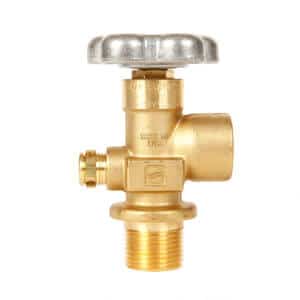
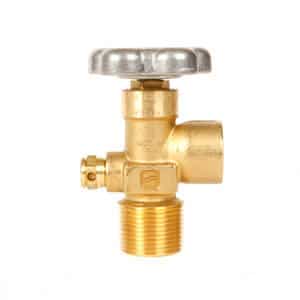
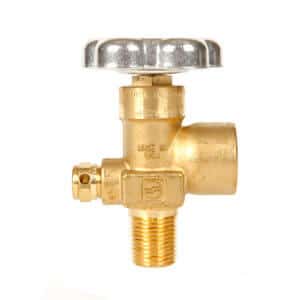
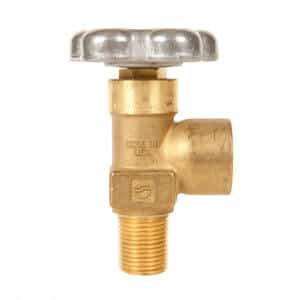
Inert Gas Valves
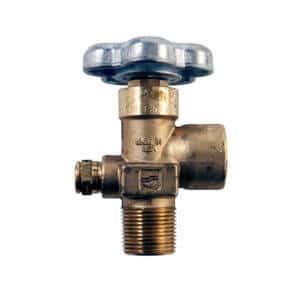

FREQUENTLY ASKED QUESTIONS
What is an inert gas valve used for?
An inert gas valve controls the safe storage, filling, and release of compressed inert gases such as nitrogen, argon, or helium from a high-pressure cylinder.
Inert gas valves are installed directly into the neck of compressed gas cylinders and regulate how gas enters and exits the cylinder. The valve allows technicians to safely connect regulators, open or close gas flow, and isolate pressure when the cylinder is not in use.
These valves are commonly used in industrial welding operations, laboratory gas systems, beverage dispensing, and specialty gas distribution. Proper valve selection ensures compatibility with regulators, protects cylinder integrity, and helps maintain safe handling procedures during filling, transport, and use.
What connection type is commonly used on inert gas cylinder valves?
The most common connection used on inert gas cylinder valves in North America is the CGA-580 connection.
CGA-580 is the standard outlet connection used for many inert gases including nitrogen, argon, and helium. This standardized thread design ensures that regulators and gas equipment are compatible with the cylinder valve and helps prevent cross-connection with other gas types.
For distributors, welding suppliers, and laboratory operators, using the correct CGA connection is critical for safety compliance, proper regulator fit, and consistent system performance.
Which gases typically use inert gas valves?
Inert gas valves are commonly used with nitrogen, argon, helium, and other non-reactive compressed gases.
These gases are widely used across industries including welding and metal fabrication, laboratory research, electronics manufacturing, beverage dispensing, and industrial blanketing applications. Because inert gases do not readily react with other substances, they are often used to create controlled environments or prevent oxidation.
Each gas cylinder requires a valve designed to safely handle its pressure rating, connection standard, and service conditions.
How do you choose the correct inert gas valve for a cylinder?
The correct inert gas valve is selected based on cylinder specifications, gas type, pressure rating, and the required CGA outlet connection.
Cylinder manufacturers and refurbishment facilities typically match valves to cylinders using specifications such as thread size, service pressure, outlet connection, and application requirements. Compatibility with regulators and downstream equipment must also be considered.
Distributors and cylinder service providers often maintain standard valve configurations to ensure consistent interchangeability across fleets of cylinders used for welding gases, laboratory gases, or industrial supply.
Are inert gas valves used on high-pressure cylinders?
Yes, inert gas valves are specifically designed to operate safely on high-pressure compressed gas cylinders.
Many inert gases are stored at pressures exceeding 2,000 PSI, which requires valves manufactured from durable materials and engineered for repeated pressurization cycles. These valves must maintain a reliable seal while allowing controlled gas release through compatible regulators.
High-pressure valve design helps ensure safe cylinder operation in demanding environments such as industrial gas distribution, manufacturing plants, and laboratory systems.
Can inert gas cylinder valves be replaced or refurbished?
Yes, inert gas cylinder valves can be replaced during cylinder maintenance, refurbishment, or requalification processes.
Cylinder service centers often replace valves when cylinders undergo hydrostatic testing, refurbishment, or conversion to a different gas service. Replacing worn or outdated valves helps maintain safe cylinder performance and compatibility with modern regulators.
Many distributors and cylinder testing facilities maintain inventories of replacement valves to support routine maintenance and fleet management.
What industries commonly use inert gas cylinder valves?
Inert gas cylinder valves are widely used in welding, industrial manufacturing, laboratories, beverage systems, and specialty gas distribution.
In welding and fabrication, gases such as argon and helium protect welds from atmospheric contamination. Laboratories use inert gases for analytical equipment, calibration systems, and controlled atmospheres.
Beverage and coffee operations may also use nitrogen for nitro coffee or beverage dispensing, making inert gas equipment important across multiple professional industries.
Are inert gas valves compatible with standard regulators?
Yes, inert gas valves are designed to connect directly to compatible regulators using standardized CGA outlet connections.
The CGA standard ensures that regulators designed for a specific gas can safely connect to the appropriate cylinder valve. This reduces the risk of connecting incompatible gases or pressure systems.
Gas distributors, laboratories, and industrial users rely on these standards to maintain consistent equipment compatibility and safe compressed gas handling procedures.
Do inert gas valves include pressure relief devices?
Some inert gas cylinder valves may include pressure relief devices depending on cylinder design and application requirements.
Pressure relief devices help protect cylinders from dangerous over-pressure conditions by venting gas if internal pressure exceeds safe limits. These features are commonly used in specific applications where additional safety controls are required.
Valve design and safety features typically follow industry guidelines and compressed gas safety practices.
Who typically purchases inert gas valves in bulk?
Inert gas valves are most commonly purchased by compressed gas distributors, cylinder refurbishment companies, welding suppliers, and industrial equipment wholesalers.
These buyers maintain inventories of valves to support cylinder assembly, maintenance programs, and gas distribution fleets. Bulk purchasing is common because large cylinder fleets require standardized components for efficient maintenance.
Many professional buyers use quote systems to request pricing and quantities before placing large orders.


