Oxygen Valves
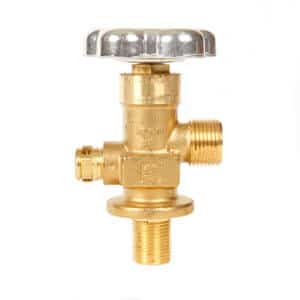
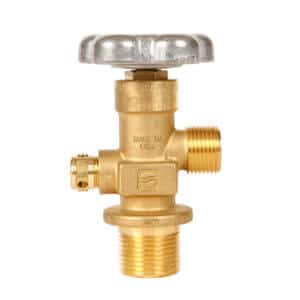
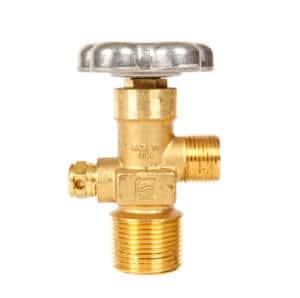
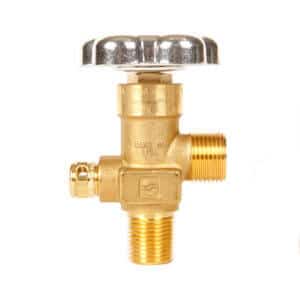
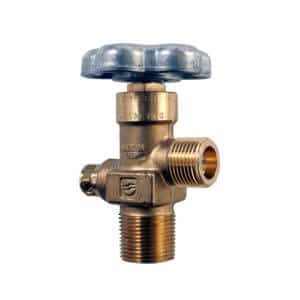
Oxygen cylinder valves are critical components for safely controlling the storage, transport, and delivery of compressed oxygen in industrial, medical, and specialty gas applications. These valves regulate gas flow from high-pressure cylinders and are manufactured to meet strict CGA connection standards, pressure ratings, and safety requirements for oxygen service.
Explore Further (click to learn more):
This category includes oxygen valves designed for compressed gas cylinders, commonly used by industrial gas distributors, medical suppliers, welding operations, and cylinder service centers. Typical configurations include CGA540 oxygen cylinder valves, residual pressure valve (RPV) designs, and other high-pressure valve assemblies engineered for reliability in professional service environments.
All oxygen valves listed here are built for compatibility with standard oxygen cylinders, regulators, and compressed gas systems, helping ensure safe gas handling and dependable operation across demanding applications.
To request pricing or availability:
Add to quote to select, and choose the quantity on the quote form. This allows distributors, service centers, and OEM buyers to request accurate quotes for the oxygen valves required for their specific cylinder configurations.
Selecting the correct valve helps maintain system safety, regulatory compliance, and long-term cylinder performance in oxygen service environments.
FREQUENTLY ASKED QUESTIONS
What is an oxygen cylinder valve used for?
Oxygen cylinder valves control the release of compressed oxygen from a high-pressure gas cylinder and allow safe connection to regulators and downstream equipment.
These valves are installed directly into the neck of an oxygen cylinder and act as the primary control point for gas flow. Opening the valve allows oxygen to move from the cylinder to a regulator, where pressure is reduced for safe use in equipment or delivery systems.
In industrial gas distribution, welding supply, and medical oxygen systems, the valve also provides the correct CGA outlet connection, ensuring regulators and accessories are properly matched to the oxygen service.
What CGA connection is typically used for oxygen cylinder valves?
The most common connection used for industrial oxygen cylinder valves is CGA540, which provides a standardized outlet for oxygen regulators and equipment.
CGA connections are designed to prevent incompatible gas connections by using unique thread patterns and outlet geometries. CGA540 is widely used in welding, industrial gas distribution, and laboratory oxygen systems.
Medical oxygen cylinders may use different connections such as CGA870 or CGA540, depending on the cylinder size and regulator design, so buyers should confirm compatibility with their equipment.
What is the difference between a standard oxygen valve and a residual pressure valve (RPV)?
A residual pressure valve (RPV) maintains a small amount of positive pressure inside the cylinder to prevent contamination from entering when the cylinder is empty.
Standard oxygen valves allow the cylinder to fully depressurize once the gas supply is exhausted. RPVs, however, retain a small residual pressure inside the cylinder, which helps prevent moisture, air, or contaminants from entering the tank.
Gas distributors and cylinder service centers often prefer RPVs because they help maintain cylinder cleanliness and reduce the risk of contamination during transport, storage, or refilling.
Who typically buys oxygen cylinder valves?
Oxygen cylinder valves are typically purchased by industrial gas distributors, cylinder manufacturers, welding suppliers, medical equipment providers, and cylinder requalification facilities.
These organizations install valves during cylinder manufacturing, refurbishment, or valve replacement during service. The valve is a critical component in maintaining safe operation of compressed gas cylinders.
Many distributors also purchase valves in volume to support cylinder requalification programs or to retrofit cylinders with updated valve configurations such as RPVs.
How do you choose the correct oxygen valve for a cylinder?
Selecting the correct oxygen valve requires matching the cylinder thread specification, CGA outlet connection, pressure rating, and application requirements.
Different cylinders use different neck threads and pressure ratings, so the valve must be compatible with the specific cylinder design. The outlet connection must also match the regulator type used in the application.
Buyers typically confirm compatibility using cylinder specifications, regulator requirements, and industry standards such as CGA guidelines.
Are oxygen cylinder valves rated for high pressure?
Yes, oxygen cylinder valves are designed to operate safely with high-pressure cylinders that may exceed 2,000 PSI service pressure.
These valves are engineered with materials and internal components compatible with oxygen service and high-pressure environments. Manufacturing standards ensure the valve can safely handle repeated pressurization cycles.
Industrial and medical oxygen cylinders rely on properly rated valves to maintain safe gas containment during storage, transport, and use.
Can oxygen cylinder valves be replaced during cylinder servicing?
Yes, oxygen cylinder valves are commonly replaced during cylinder requalification, refurbishment, or when a valve becomes damaged or outdated.
Cylinder service centers inspect valves during hydrostatic testing and other requalification procedures. If a valve shows wear, corrosion, or mechanical damage, it is replaced to ensure safe operation.
Replacing valves during service also allows distributors to upgrade cylinders with improved designs such as residual pressure valves.
What industries rely on oxygen cylinder valves?
Oxygen cylinder valves are used across multiple industries including industrial gas distribution, welding and cutting, healthcare, laboratories, and manufacturing.
Each of these industries relies on compressed oxygen for different processes, from metal fabrication to medical respiratory support. The valve serves as the control point for safely managing oxygen delivery.
Because oxygen is a high-pressure oxidizing gas, proper valve design and compatibility are essential for safe handling.
Do oxygen valves require special materials for oxygen service?
Yes, oxygen valves must use materials and internal components compatible with oxygen service to reduce the risk of ignition or contamination.
Oxygen systems require clean, compatible materials because oxygen can accelerate combustion when contaminants are present. Valve components are designed and manufactured to meet industry safety requirements for oxygen handling.
This includes appropriate metals, seals, and lubrication practices specifically approved for oxygen service.
How do buyers request pricing for oxygen cylinder valves?
Buyers typically request pricing by selecting the valves they need and submitting a quote request through the product page.
On this page, customers can add items to the quote list and choose quantity on the quote form, allowing distributors and purchasing teams to request accurate pricing for specific valve models.
This quote-based purchasing process is common in industrial gas equipment markets where buyers often need volume pricing, technical confirmation, or application-specific configurations before placing an order.