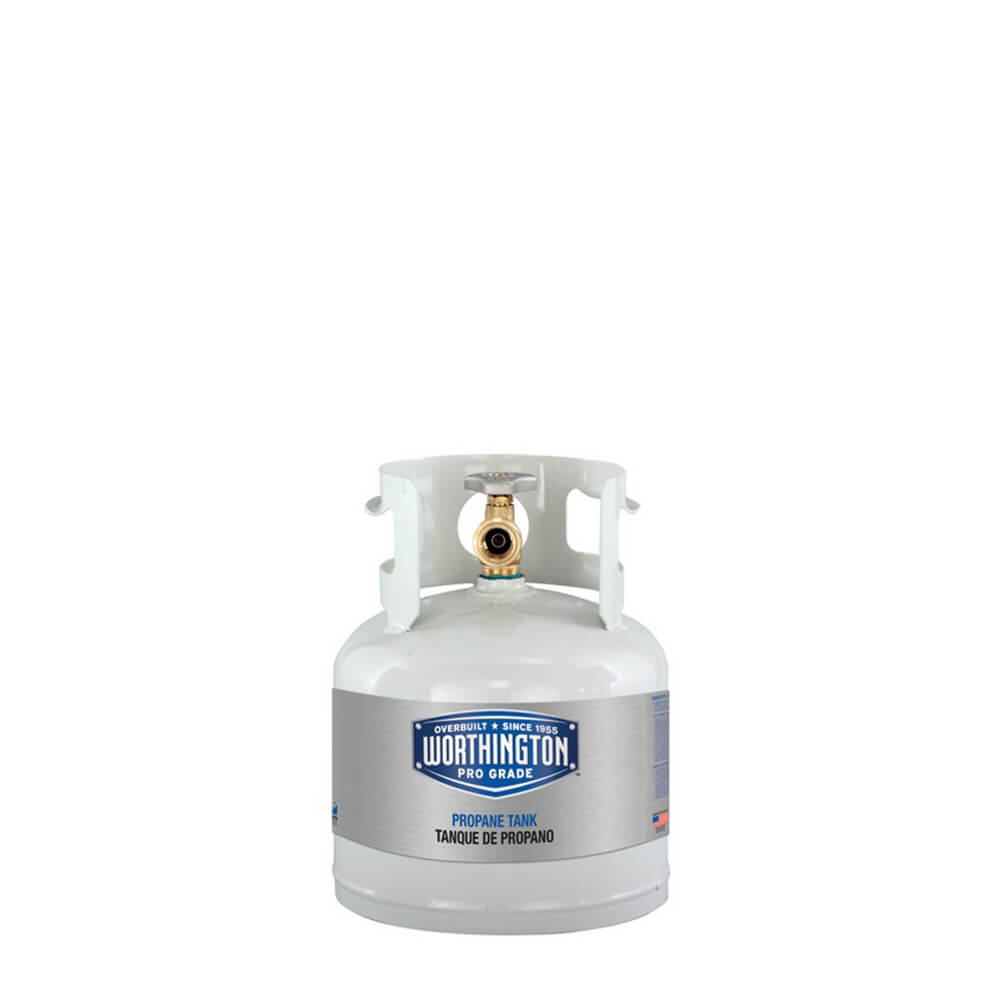
4 lb Steel LP Cylinder
- Propane / LP Cylinder with OPD Valve
- Steel with Powder-Coated Exterior
- Integrated Collar Handles
- DOT- and TC-Approved
- Made in USA
Description
When a highly portable and ultra-compact propane source is required, our new wholesale 4 lb steel LP/propane tank is the answer.
All quality features — OPD valve, shot-blasted and powder-coated rust-resistant steel body, and integrated formed handles — in a small, easy to fit and easy to carry package:
Engineered and tested to the highest industry standards, for maximum performance and long-life durability.
Larger LP/propane tanks and forklift cylinders in multiple sizes are available on our LP/propane/CNG cylinder section.
All Safe Global sells 4 lb steel LP/propane cylinders in pallet and large-size orders only, with volume discounts to distributors and suppliers. Please contact your representative for pricing or submit a quote request. Unfortunately, ASG does not sell single or retail items to individual purchasers.
Additional information
| Capacity | |
|---|---|
| Diameter | |
| Height | 11.8" / 300 mm |
| Material | |
| Valve | |
| Certification | DOT/TC |
FREQUENTLY ASKED QUESTIONS
How much propane does a 4 lb cylinder hold?
A 4 lb propane cylinder holds approximately 1 gallon of propane at the correct 80 percent fill level. It is the smallest refillable steel LP cylinder size in common commercial use. The weight rating refers to the propane carried, not the cylinder itself.
What is a 4 lb propane cylinder used for?
The 4 lb size suits small torches, portable heaters, tabletop appliances, and equipment where space and weight are tightly constrained. It is frequently specified by equipment manufacturers who build a cylinder into a product. Rental and hospitality accounts also use it where cylinders are carried by hand.
Is a 4 lb cylinder refillable, unlike disposable canisters?
Yes. This is a refillable steel DOT cylinder with an OPD valve, unlike the single-use 1 lb canisters sold for camping. Refilling is both cheaper per unit of gas and avoids the disposal burden of single-use cylinders, which matters to volume users.
How long does a 4 lb propane cylinder last?
A 4 lb cylinder supplies roughly four to five hours of continuous use on a typical single-burner appliance. Duration is driven entirely by the appliance’s BTU rating. Dividing that rating into approximately 86,000 BTU gives a working estimate.
Can a 4 lb cylinder replace 1 lb disposable canisters?
Yes, and it is the standard upgrade for operations going through disposables in quantity. A 4 lb cylinder holds roughly four times the gas and connects to the same appliances with the correct adapter hose. The trade is size and weight against a substantially lower running cost.
Does this cylinder have the same valve as larger propane tanks?
It uses an OPD valve, the same overfill prevention design required across the LP cylinder range. That means it is filled by the same procedure and accepted at the same facilities as larger cylinders. Appliance-side connections vary, so confirm the hose fitting for the equipment.
Does All Safe Global supply 4 lb cylinders in volume?
Yes. We supply the full LP cylinder range at wholesale to distributors, OEM accounts, and commercial buyers. Request a quote with the quantity and we will price it for volume.
Are these cylinders DOT and TC approved?
Yes, they carry both DOT and TC approval and are manufactured in the United States, so they are accepted by filling facilities in both the US and Canada. Certification documentation is available on request.
Where can a small propane cylinder be refilled?
Any licensed propane facility can fill a 4 lb cylinder, since it carries a standard OPD valve and a current requalification stamp. Retail exchange cages generally do not handle this size, so refilling rather than exchanging is the normal route. Commercial users typically fill in-house or through their propane marketer.
How should small propane cylinders be stored?
Store them upright, secured, and in a ventilated space that is not a living area or basement, with valves closed. Small cylinders are easily overlooked in vehicles and enclosed storerooms, which is the most common handling mistake with this size. The venting design that makes them safe outdoors makes enclosed storage hazardous.