Industrial Steel Cylinders
High-pressure steel cylinders are widely used for storing and transporting compressed gases in industrial, welding, laboratory, beverage, and specialty-gas applications. Built for durability, pressure containment, and long service life, steel cylinders remain a standard choice where rugged construction and repeated refill cycles are required.
Explore Further (click to learn more):
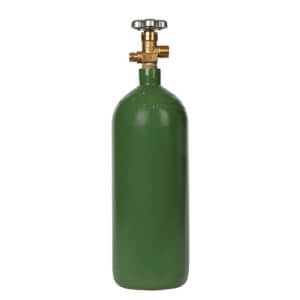
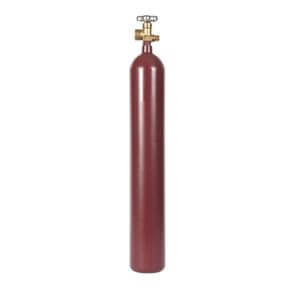
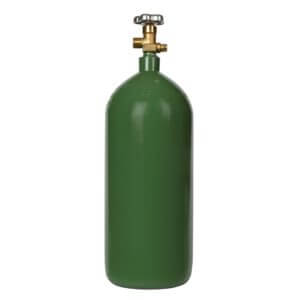
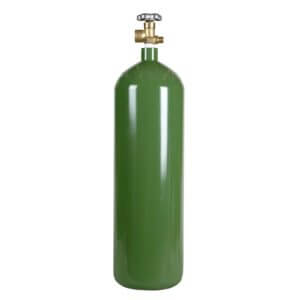
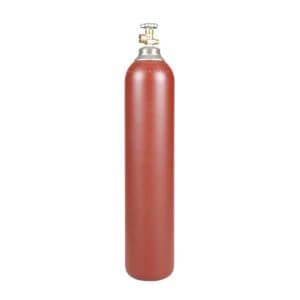
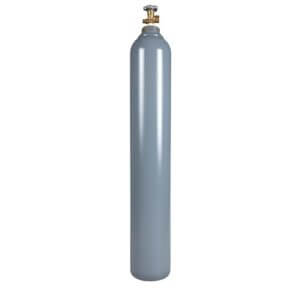
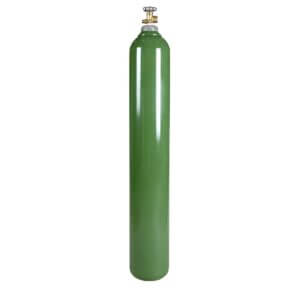
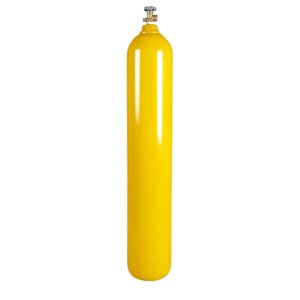
This category includes DOT-approved high-pressure steel gas cylinders available in multiple cubic-foot capacities, typically supplied with valves, caps, and protective collars depending on configuration. These cylinders are commonly used with gases such as nitrogen, argon, oxygen, helium, and specialty gas blends, supporting operations across manufacturing, laboratories, beverage systems, and compressed-gas distribution.
Steel cylinders are valued for their strength under high pressure, resistance to impact, and suitability for demanding service environments. Many models are designed to be compatible with industry-standard CGA valve connections, regulators, and gas distribution systems.
To request pricing or availability, simply add to the quote to select, and choose quantity on the quote form. This process allows you to submit a quote request for the exact high-pressure steel cylinder sizes and configurations needed for your application.

FREQUENTLY ASKED QUESTIONS
What are high pressure steel cylinders used for?
High pressure steel cylinders are used to safely store and transport compressed gases such as nitrogen, oxygen, argon, helium, and other industrial or specialty gases.
These cylinders are designed to withstand high internal pressures while maintaining structural integrity during repeated filling and transportation cycles. Steel construction provides durability and resistance to physical damage, making them suitable for industrial environments.
Common applications include welding operations, laboratory gas supply, beverage gas systems, industrial manufacturing, and specialty gas distribution. Because steel cylinders tolerate heavy handling and high pressure levels, they are widely used across compressed gas supply chains.
What gases can be stored in high pressure steel cylinders?
High pressure steel cylinders can store a wide range of compressed gases including nitrogen, argon, oxygen, helium, and other industrial or specialty gases.
The specific gas compatibility depends on the cylinder valve type, internal cleanliness, and applicable regulatory standards. Cylinders are often configured with CGA valve connections designed for specific gases to ensure safe filling and usage.
These cylinders are commonly used in industrial welding, laboratory research, beverage gas systems, and compressed gas distribution networks where high-pressure storage is required.
How much gas does a high pressure steel cylinder hold?
The gas capacity of a high pressure steel cylinder is typically measured in cubic feet and varies depending on the cylinder size and pressure rating.
Common sizes may include smaller portable cylinders around 20 cubic feet as well as larger cylinders exceeding 100 cubic feet or more for industrial supply. Capacity ratings represent the volume of gas the cylinder can deliver at standard atmospheric pressure.
Choosing the correct size depends on your application, consumption rate, and portability requirements. Larger cylinders reduce refill frequency, while smaller cylinders are easier to transport and handle.
Why choose steel cylinders instead of aluminum cylinders?
Steel cylinders are often chosen instead of aluminum cylinders when maximum strength, durability, and resistance to damage are priorities.
Steel construction provides higher impact resistance and can tolerate rugged handling environments such as manufacturing plants, welding shops, and gas distribution facilities. This durability allows steel cylinders to perform reliably over many refill cycles.
Aluminum cylinders are typically lighter and more portable, while steel cylinders are preferred for applications where structural strength and long-term service life are more important than weight.
Are high pressure steel cylinders DOT approved?
Most high pressure steel cylinders used in the United States are manufactured and tested to comply with Department of Transportation (DOT) regulations.
DOT compliance ensures cylinders meet strict standards for pressure containment, material quality, manufacturing processes, and safety testing. Cylinders are typically stamped with identification markings indicating their specification, test date, and manufacturer.
These regulatory requirements help ensure cylinders can safely handle transportation, filling, and long-term use in compressed gas service.
What components typically come with a high pressure steel cylinder?
High pressure steel cylinders are commonly supplied with components such as valves, protective caps, and neck collars depending on the specific model.
The valve controls gas flow and is selected based on the intended gas type and connection standard. Protective caps and collars help shield the valve during transport and storage.
These components are designed to support safe handling, regulator attachment, and compatibility with standard compressed gas systems used in industrial and commercial environments.
How are high pressure steel cylinders refilled?
High pressure steel cylinders are refilled by authorized gas suppliers using specialized filling equipment that safely compresses gas into the cylinder.
Before refilling, cylinders are typically inspected to confirm they meet safety and regulatory requirements. The filling process must follow strict procedures to ensure pressure limits and gas purity standards are maintained.
Refilling is commonly performed by industrial gas distributors or service centers equipped for compressed gas handling.
How often do high pressure steel cylinders need testing?
High pressure steel cylinders require periodic inspection and hydrostatic testing to verify structural integrity and regulatory compliance.
Hydrostatic testing measures the cylinder’s ability to safely withstand internal pressure and detect potential weaknesses or material fatigue. Testing intervals are typically defined by DOT regulations and cylinder specifications.
Regular testing helps extend cylinder service life while maintaining safe operation in compressed gas applications.
What industries commonly use high pressure steel cylinders?
High pressure steel cylinders are used across industries including welding, manufacturing, laboratory research, beverage production, healthcare supply chains, and industrial gas distribution.
These cylinders support processes that require reliable compressed gas storage and delivery. Industrial welding operations often rely on oxygen and inert gases, while laboratories use specialty gases for research and testing.
Because of their strength and reliability, steel cylinders are commonly used in professional service environments where gas supply continuity is critical.
How do you request pricing for high pressure steel cylinders?
You can request pricing for high pressure steel cylinders by selecting the desired product and submitting a quote request through the website.
To begin the process, add to quote to select, and choose quantity on the quote form. This allows you to specify the cylinder sizes and quantities required for your operation.
Quote requests help distributors, industrial buyers, and service companies obtain pricing based on volume, availability, and shipping requirements.


