Beverage Dispensing
FREQUENTLY ASKED QUESTIONS
What is beverage dispensing equipment used for in commercial settings?
Beverage dispensing equipment is used to control, deliver, and serve beverages from pressurized or gravity-fed systems in commercial environments.
In bars, breweries, and coffee operations, dispensing systems regulate flow rate, pressure, and carbonation levels to ensure consistent pours. Components like faucets, towers, and pumps work together to maintain product quality from keg to glass.
For distributors and operators, this equipment supports operational efficiency by reducing waste, minimizing foam, and maintaining repeatable serving standards across multiple taps or service points.
Why is stainless steel preferred for beverage dispensing systems?
Stainless steel is preferred because it provides corrosion resistance, sanitary performance, and long-term durability in beverage applications.
Its non-reactive surface prevents flavor contamination, which is critical for beverages like craft beer and nitro coffee. Stainless steel also withstands frequent cleaning cycles using chemical solutions required for food and beverage compliance.
For commercial operators, this translates to longer equipment life, reduced maintenance costs, and compliance with hygiene standards in regulated environments.
What types of beverages can be dispensed using these systems?
Beverage dispensing systems can be used for beer, cider, wine, kombucha, soda, and nitro cold brew coffee.
Different beverages require specific gas blends and pressure settings, such as CO2 for carbonated drinks or nitrogen for nitro coffee. The dispensing hardware must support these variations without compromising flow or taste.
This flexibility allows beverage brands, breweries, and foodservice operators to use a single infrastructure across multiple product lines.
What is the difference between a draft tower and a faucet?
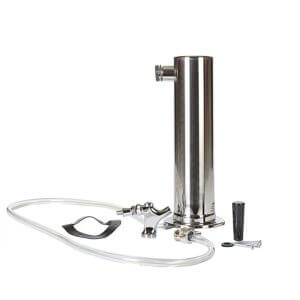
A draft tower is the vertical column that houses beverage lines, while a faucet is the valve that controls the flow of liquid at the point of dispense.
The tower provides structural support and often includes insulation or cooling to maintain temperature stability. The faucet is the functional endpoint that opens and closes to pour the beverage.
Together, they form the visible and functional front end of a draft dispensing system behind the bar.
How do keg pumps work in beverage dispensing?
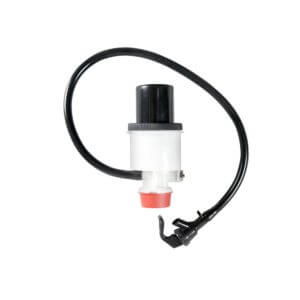
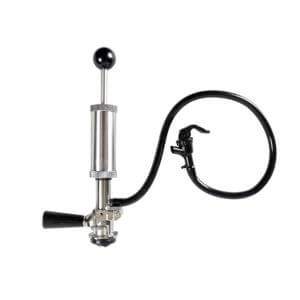
Keg pumps use manual or gas-assisted pressure to push beverage from the keg to the faucet.
Manual pumps introduce air into the keg, which is suitable for short-term use but can affect product freshness. Gas-assisted systems use CO2 or nitrogen to maintain consistent pressure and preserve beverage quality.
For commercial environments, gas-driven systems are typically preferred for maintaining shelf life and consistent carbonation.
What should I consider when selecting beverage dispensing equipment?
You should consider beverage type, system pressure requirements, throughput volume, and compatibility with existing equipment.
Different applications require specific configurations, such as nitrogen-compatible faucets for nitro coffee or multi-tap towers for high-volume bars. Material quality and compliance standards also play a role in long-term reliability.
For B2B buyers, selecting the correct components ensures system uptime, consistent performance, and reduced service interruptions.
Are beverage dispensing components compatible across different systems?
Many beverage dispensing components are standardized, but compatibility depends on connection types, pressure ratings, and system design.
Common standards exist for fittings, threads, and couplers, especially in beer and beverage systems. However, variations in keg types, gas systems, and regional standards can affect compatibility.
Verifying specifications before purchase helps avoid installation issues and ensures proper system integration.
How do you maintain and clean beverage dispensing equipment?
Beverage dispensing equipment is maintained through regular cleaning cycles using approved cleaning solutions and inspection of seals and components.
Cleaning removes residue, yeast, and bacteria buildup that can impact flavor and safety. Routine maintenance also includes checking O-rings, seals, and connections for wear.
For commercial operations, consistent cleaning schedules are essential for compliance, product quality, and equipment longevity.
What industries commonly use beverage dispensing systems?
Beverage dispensing systems are used in breweries, bars, restaurants, coffee shops, and beverage manufacturing facilities.
They are also used by distributors and equipment integrators who design and install draft systems for clients. Each industry has specific requirements for throughput, sanitation, and beverage type.
This makes scalable and configurable dispensing equipment critical for supporting different operational needs.
Can beverage dispensing systems be customized for specific applications?
Yes, beverage dispensing systems can be configured and customized based on beverage type, volume requirements, and operational setup.
Customization may include selecting specific faucet types, multi-tap towers, gas systems, and connection components. This ensures the system aligns with the application, whether it is a single-tap coffee setup or a multi-line commercial bar.
For distributors and OEM partners, customization supports efficient installation, consistent performance, and tailored end-user solutions.


